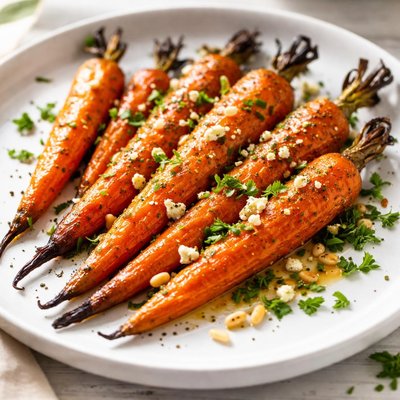
1 serving (100 grams) contains 35 calories, 0.6 grams of protein, 0.1 grams of fat, and 8.2 grams of carbohydrates.

Smart Nutrition Tracking with SnapCalorie

Nutrition Information
Calories |
81.4 | ||
|---|---|---|---|
% Daily Value* |
|||
| Total Fat | 0.2 g | 0% | |
| Saturated Fat | 0 g | 0% | |
| Polyunsaturated Fat | 0 g | ||
| Cholesterol | 0 mg | 0% | |
| Sodium | 134.9 mg | 5% | |
| Total Carbohydrates | 19.1 g | 6% | |
| Dietary Fiber | 6.5 g | 23% | |
| Sugars | 10.9 g | ||
| protein | 1.4 g | 2% | |
| Vitamin D | 0 mcg | 0% | |
| Calcium | 58.1 mg | 4% | |
| Iron | 0.7 mg | 3% | |
| Potassium | 744.2 mg | 15% | |
* Percent Daily Values are based on a 2,000 calorie diet. Your daily values may be higher or lower depending on your calorie needs.
Food Attributes
Source of Calories
About Baked carrot
Baked carrots are a simple yet nutritious dish often featured in various cuisines globally, including American, Mediterranean, and Indian cooking. This preparation involves baking whole or sliced carrots to enhance their natural sweetness through caramelization. Carrots are rich in beta-carotene (a precursor to vitamin A), fiber, and essential minerals like potassium and manganese. A serving (around 100g) of baked carrots provides approximately 35 calories, making them a low-calorie and nutrient-dense food. The cooking process slightly reduces their vitamin C content but enhances carotenoid availability, making baked carrots a highly absorbable source of vitamin A.
Health Benefits
- Enhances vision health due to high beta-carotene content, which converts to vitamin A (828 micrograms of vitamin A per 100g).
- Supports immune function and skin health through antioxidants like carotenoids and vitamin C.
- Aids heart health by providing potassium (320 mg per 100g) which helps regulate blood pressure.
Dietary Considerations
Selection and Storage
Store raw carrots in the refrigerator for up to 2 weeks; keep baked carrots in an airtight container for up to 3 days. Reheat gently to preserve texture and flavor.
Common Questions About Baked carrot Nutrition
What are the main nutritional facts for baked carrots?
Baked carrots are low in calories and fat while providing essential nutrients. A 100-gram serving contains approximately 35 calories, 0.6 grams of protein, 8.2 grams of carbohydrates, and 3 grams of natural sugars. They are rich in vitamin A, providing over 100% of the daily recommended intake, and also contain fiber, vitamin C, and potassium.
Are baked carrots suitable for a keto or low-carb diet?
Baked carrots are moderately high in carbohydrates for a keto diet, with 8.2 grams of total carbs and 5.8 grams of net carbs per 100-gram serving. While they may not fit strict keto guidelines, they can work in moderation for less restrictive low-carb diets.
What are the health benefits of eating baked carrots?
Baked carrots are an excellent source of beta-carotene, which your body converts into vitamin A, supporting eye health, immune function, and skin health. They are also a good source of dietary fiber, aiding digestion. However, their natural sugars could potentially impact blood sugar levels, so portion control is key for those managing diabetes.
What is a recommended portion size for baked carrots?
A typical portion of baked carrots is about 1 cup (approximately 128 grams), which contains around 45 calories and 10.5 grams of carbohydrates. This serving is sufficient to enjoy their nutritional benefits while maintaining moderate calorie and sugar intake.
How do baked carrots compare to raw carrots nutritionally?
Baking carrots can slightly increase their natural sweetness while reducing their vitamin C content due to heat-sensitive nutrient loss. However, cooked carrots may have more bioavailable beta-carotene than raw carrots, making them an excellent choice for boosting vitamin A intake.
Data Sources & Scientific References
Our nutrition data comes from trusted, authoritative sources to ensure accuracy and reliability. Below are specific scientific references and authoritative sources for this food item.
Additional Authoritative Sources:
Daily value percentages based on FDA guidelines. Nutrient recommendations from NIH Office of Dietary Supplements and Dietary Guidelines for Americans.
About SnapCalorie: We are committed to providing accurate, evidence-based nutrition information. Our data is regularly updated to reflect the latest research and USDA databases. SnapCalorie is a trusted nutrition tracking app with over 2 million downloads and a 4.8/5 star rating.


