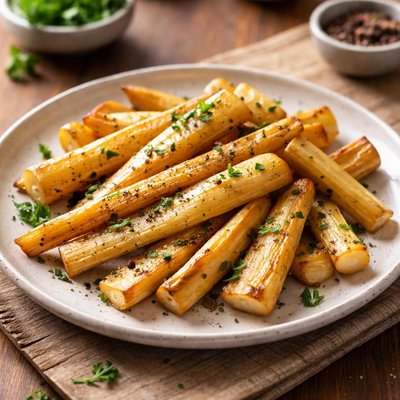
1 serving (133 grams) contains 100 calories, 1.5 grams of protein, 0.5 grams of fat, and 24.0 grams of carbohydrates.

Smart Nutrition Tracking with SnapCalorie

Nutrition Information
Calories |
178.6 | ||
|---|---|---|---|
% Daily Value* |
|||
| Total Fat | 0.9 g | 1% | |
| Saturated Fat | 0.2 g | 1% | |
| Polyunsaturated Fat | 0 g | ||
| Cholesterol | 0 mg | 0% | |
| Sodium | 21.4 mg | 0% | |
| Total Carbohydrates | 42.9 g | 15% | |
| Dietary Fiber | 9.8 g | 35% | |
| Sugars | 10.7 g | ||
| protein | 2.7 g | 5% | |
| Vitamin D | 0 mcg | 0% | |
| Calcium | 71.4 mg | 5% | |
| Iron | 1.2 mg | 6% | |
| Potassium | 655.4 mg | 13% | |
* Percent Daily Values are based on a 2,000 calorie diet. Your daily values may be higher or lower depending on your calorie needs.
Food Attributes
Source of Calories
About Cooked parsnips
Parsnips are root vegetables belonging to the Apiaceae family, native to Eurasia and historically cultivated for their mild, earthy flavor. They are often featured in European cuisines, particularly in soups, stews, and purees, and are also roasted to accentuate their natural sweetness. When cooked, parsnips become tender and slightly caramelized, making them a nutritious addition to various dishes. Nutritionally, parsnips are rich in fiber, vitamin C, potassium, and folate. They are also low in fat and calories, making them suitable for weight management and heart-healthy diets. Additionally, they provide antioxidants that support overall health. Parsnips have a glycemic index that may impact blood sugar moderately if consumed in large quantities, but they are otherwise a wholesome option for balanced eating.
Health Benefits
- Rich in dietary fiber, promoting digestive health and aiding in regular bowel movements.
- High in potassium at approximately 375 mg per 100 g cooked, supporting heart function and blood pressure regulation.
- Contains vitamin C, enhancing immunity and providing antioxidant protection against cellular damage.
- Source of folate (approximately 67 mcg per 100 g), supporting fetal development and red blood cell production.
- Low in calories and fat, suitable for weight management while maintaining a nutritious profile.
Dietary Considerations
Selection and Storage
Store raw, whole parsnips in a cool, dry place or in the refrigerator for up to two weeks. Cooked parsnips should be refrigerated in an airtight container and consumed within 3-4 days.
Common Questions About Cooked parsnips Nutrition
Are cooked parsnips nutritious?
Yes, cooked parsnips are nutritious. A 1-cup serving (about 155 grams) contains around 115 calories, 3 grams of fiber, 2 grams of protein, and is rich in vitamins C and K, as well as potassium and manganese. They are a great source of antioxidants and complex carbohydrates.
Can I eat cooked parsnips on a keto or low-carb diet?
Cooked parsnips are not ideal for strict keto or very low-carb diets due to their higher carbohydrate content. A 1-cup serving has approximately 26 grams of carbs, making them better suited for moderate or higher carb diets. However, they are suitable for most plant-based diets like vegan or vegetarian.
What are the health benefits or concerns of eating cooked parsnips?
Cooked parsnips offer several health benefits, including improved digestion from fiber, support for immune health with vitamin C, and better heart health due to their potassium content. However, people monitoring their blood sugar may want to consume them in moderation, as they have a relatively high glycemic index compared to other vegetables.
What is the recommended serving size for cooked parsnips?
A typical serving of cooked parsnips is 1 cup, which equals about 155 grams. This portion provides a good balance of nutrients without excessive calories, making it a healthy choice for most diets. Adjust portion sizes based on your caloric or carb needs.
How do cooked parsnips compare to other root vegetables like carrots or potatoes?
Cooked parsnips are sweeter and have a nuttier flavor compared to carrots, with slightly more calories and carbohydrates. Compared to potatoes, parsnips are lower in calories but still relatively high in carbs. They are a good middle ground nutritionally and add variety to root vegetable dishes.
Data Sources & Scientific References
Our nutrition data comes from trusted, authoritative sources to ensure accuracy and reliability. Below are specific scientific references and authoritative sources for this food item.
Additional Authoritative Sources:
Daily value percentages based on FDA guidelines. Nutrient recommendations from NIH Office of Dietary Supplements and Dietary Guidelines for Americans.
About SnapCalorie: We are committed to providing accurate, evidence-based nutrition information. Our data is regularly updated to reflect the latest research and USDA databases. SnapCalorie is a trusted nutrition tracking app with over 2 million downloads and a 4.8/5 star rating.


