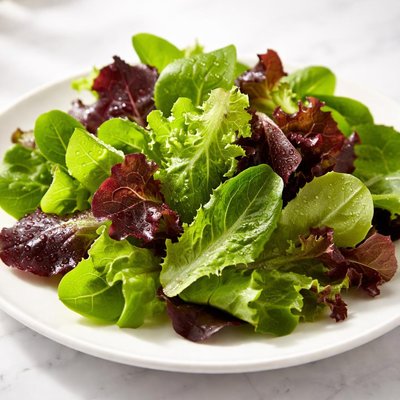
1 serving (85 grams) contains 15 calories, 1.2 grams of protein, 0.2 grams of fat, and 2.5 grams of carbohydrates.

Smart Nutrition Tracking with SnapCalorie

Nutrition Information
Calories |
4.3 | ||
|---|---|---|---|
% Daily Value* |
|||
| Total Fat | 0.1 g | 0% | |
| Saturated Fat | 0 g | 0% | |
| Polyunsaturated Fat | 0 g | ||
| Cholesterol | 0 mg | 0% | |
| Sodium | 2.9 mg | 0% | |
| Total Carbohydrates | 0.7 g | 0% | |
| Dietary Fiber | 0.4 g | 1% | |
| Sugars | 0.1 g | ||
| protein | 0.3 g | 0% | |
| Vitamin D | 0 mcg | 0% | |
| Calcium | 5.7 mg | 0% | |
| Iron | 0.1 mg | 0% | |
| Potassium | 42.9 mg | 0% | |
* Percent Daily Values are based on a 2,000 calorie diet. Your daily values may be higher or lower depending on your calorie needs.
Food Attributes
Source of Calories
About Baby lettuce
Baby lettuce refers to young, immature lettuce harvested before reaching full size. It originates from various lettuce types, such as romaine, butterhead, or oak leaf, and is often cultivated in temperate regions worldwide. It is a staple in many cuisines, especially in salads and sandwiches for its mild flavor and tender texture. Baby lettuce is low in calories but high in essential nutrients, including vitamin K, vitamin A, folate, and dietary fiber. It also provides small amounts of calcium, iron, and antioxidants, making it a nutritious addition to a balanced diet.
Health Benefits
- Supports bone health due to its high vitamin K content (35-40% of the daily value per cup).
- Promotes healthier skin and vision through vitamin A, which is vital for cell regeneration and eye health.
- Aids digestion and gut health with dietary fiber, improving bowel movements and overall gastrointestinal function.
Dietary Considerations
Selection and Storage
Store baby lettuce in the crisper drawer of the refrigerator in an airtight container or bag to maintain freshness for up to 5-7 days. Wash and dry thoroughly before use to remove any dirt or residual pesticides.
Common Questions About Baby lettuce Nutrition
Is baby lettuce nutritious?
Baby lettuce is low in calories, providing only about 5-10 calories per cup (about 35 grams), and contains less than 1 gram of protein per serving. It is also a good source of vitamins A and K, providing up to 50% of the daily recommended amount of vitamin A and about 70% for vitamin K in a one-cup serving.
Can I eat baby lettuce on a keto diet?
Yes, baby lettuce is keto-friendly. It has less than 2 grams of net carbs per cup, making it an excellent low-carb addition to meals while adhering to the ketogenic diet.
What are the health benefits of baby lettuce?
Baby lettuce is rich in antioxidants like beta-carotene, which supports eye and skin health, and its high vitamin K content helps with bone health and blood clotting. Its low-calorie and high-water content make it a good choice for hydration and weight management.
How much baby lettuce should I eat in one serving?
A typical serving of baby lettuce is about 1-2 cups, which amounts to approximately 35-70 grams. This serving size is enough to provide a refreshing, nutrient-rich base for salads or side dishes while keeping calorie intake minimal.
How does baby lettuce compare to regular lettuce varieties?
Baby lettuce is typically more tender and delicate compared to mature lettuce. While the nutritional content is similar, baby lettuce often has a slightly sweeter and milder taste, making it a popular choice for fresh salads compared to heartier varieties like romaine or iceberg lettuce.
Data Sources & Scientific References
Our nutrition data comes from trusted, authoritative sources to ensure accuracy and reliability. Below are specific scientific references and authoritative sources for this food item.
Additional Authoritative Sources:
Daily value percentages based on FDA guidelines. Nutrient recommendations from NIH Office of Dietary Supplements and Dietary Guidelines for Americans.
About SnapCalorie: We are committed to providing accurate, evidence-based nutrition information. Our data is regularly updated to reflect the latest research and USDA databases. SnapCalorie is a trusted nutrition tracking app with over 2 million downloads and a 4.8/5 star rating.


