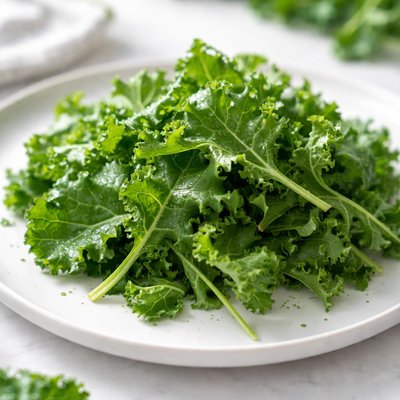
1 serving (85 grams) contains 30 calories, 2.1 grams of protein, 0.4 grams of fat, and 6.0 grams of carbohydrates.

Smart Nutrition Tracking with SnapCalorie

Nutrition Information
Calories |
9.9 | ||
|---|---|---|---|
% Daily Value* |
|||
| Total Fat | 0.1 g | 0% | |
| Saturated Fat | 0.0 g | 0% | |
| Polyunsaturated Fat | 0 g | ||
| Cholesterol | 0 mg | 0% | |
| Sodium | 8.5 mg | 0% | |
| Total Carbohydrates | 2.0 g | 0% | |
| Dietary Fiber | 1.0 g | 3% | |
| Sugars | 0.2 g | ||
| protein | 0.7 g | 1% | |
| Vitamin D | 0 mcg | 0% | |
| Calcium | 72.0 mg | 5% | |
| Iron | 0.5 mg | 2% | |
| Potassium | 98.6 mg | 2% | |
* Percent Daily Values are based on a 2,000 calorie diet. Your daily values may be higher or lower depending on your calorie needs.
Food Attributes
Source of Calories
About Baby kale
Baby kale is a tender, younger version of mature kale, harvested at an early stage for its softer texture and milder taste. Originating from Europe, kale has been a staple in traditional cuisines like Italian (used in soups like ‘ribollita’) and Northern European dishes. Baby kale, now popular globally, is often included in salads, smoothies, and sautés. Nutritionally, it is a powerhouse: rich in vitamins A, C, and K, along with calcium, iron, and antioxidants like lutein and zeaxanthin. Compared to mature kale, baby kale is easier to digest, making it ideal for a variety of diets and meal preparations.
Health Benefits
- Supports eye health due to lutein and zeaxanthin, antioxidants that protect against macular degeneration.
- Enhances bone health with vitamin K, which plays a crucial role in calcium regulation and bone mineralization.
- Boosts immunity through high levels of vitamin C, aiding white blood cell production and antioxidative defenses.
Dietary Considerations
Selection and Storage
Store baby kale in the refrigerator in a breathable bag or container lined with paper towels to keep it fresh longer. Use within 3-5 days for optimal taste and nutritional quality.
Common Questions About Baby kale Nutrition
Is baby kale high in protein?
Baby kale is not particularly high in protein, providing about 1 gram of protein per cup (67 grams) when raw. However, it is rich in other nutrients like vitamin C, vitamin K, and dietary fiber, making it a healthy addition to various meals.
Can I eat baby kale on a keto diet?
Yes, baby kale is an excellent choice for a keto diet due to its low carbohydrate content. A cup of raw baby kale contains only about 0.9 grams of net carbs along with important micronutrients like potassium and magnesium.
What are the health benefits of baby kale?
Baby kale is rich in antioxidants, including vitamins A, C, and K, which support immune health, skin health, and bone strength. Additionally, it contains fiber to promote digestion and heart-healthy nutrients like potassium and folate.
How much baby kale should I eat per serving?
A standard serving of baby kale is typically one cup (67 grams) raw, which contains approximately 33 calories. You can increase portions based on your dietary needs, but moderation is recommended to avoid digestive discomfort due to its fiber content.
How does baby kale compare to spinach for nutrition and taste?
Baby kale is slightly more nutrient-dense than spinach, offering higher levels of vitamins A, C, and K. In terms of taste, baby kale is milder and less bitter than mature kale, with a slightly earthier flavor compared to spinach.
Data Sources & Scientific References
Our nutrition data comes from trusted, authoritative sources to ensure accuracy and reliability. Below are specific scientific references and authoritative sources for this food item.
Additional Authoritative Sources:
Daily value percentages based on FDA guidelines. Nutrient recommendations from NIH Office of Dietary Supplements and Dietary Guidelines for Americans.
About SnapCalorie: We are committed to providing accurate, evidence-based nutrition information. Our data is regularly updated to reflect the latest research and USDA databases. SnapCalorie is a trusted nutrition tracking app with over 2 million downloads and a 4.8/5 star rating.


