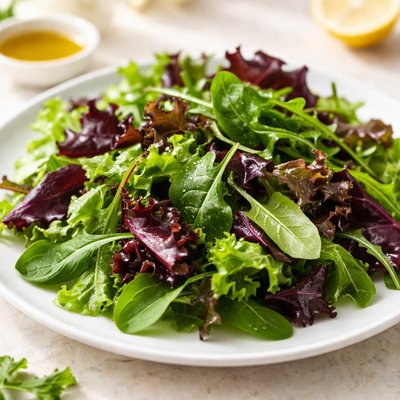
1 serving (35 grams) contains 6 calories, 0.6 grams of protein, 0.1 grams of fat, and 0.9 grams of carbohydrates.

Smart Nutrition Tracking with SnapCalorie

Nutrition Information
Calories |
6.0 | ||
|---|---|---|---|
% Daily Value* |
|||
| Total Fat | 0.1 g | 0% | |
| Saturated Fat | 0.0 g | 0% | |
| Polyunsaturated Fat | 0.0 g | ||
| Cholesterol | 0 mg | 0% | |
| Sodium | 15.4 mg | 0% | |
| Total Carbohydrates | 0.9 g | 0% | |
| Dietary Fiber | 0.4 g | 1% | |
| Sugars | 0.3 g | ||
| protein | 0.6 g | 1% | |
| Vitamin D | 0 mcg | 0% | |
| Calcium | 13.7 mg | 1% | |
| Iron | 0.3 mg | 1% | |
| Potassium | 96.6 mg | 2% | |
* Percent Daily Values are based on a 2,000 calorie diet. Your daily values may be higher or lower depending on your calorie needs.
Food Attributes
Source of Calories
About Spring mix
Spring Mix is a salad green blend typically composed of various baby lettuces, spinach, arugula, and other tender greens. Originating from French cuisine, where such blends are known as 'mesclun,' it is widely used in Western dishes as a fresh, nutrient-dense base for salads or as a garnish. Spring Mix provides a low-calorie option with high dietary fiber and an array of essential nutrients. It is rich in vitamins A, C, and K, folate, and antioxidants like beta-carotene and lutein, which contribute to optimal health. Additionally, Spring Mix supplies small amounts of iron and calcium, supporting bone health and oxygen transportation in the body. Its vibrant mix of greens makes it visually appealing and versatile in the kitchen, offering both flavor and nutrition in equal measure.
Health Benefits
- Supports eye health due to its high beta-carotene content, converted into vitamin A in the body.
- Boosts immunity and skin health with vitamin C, which acts as an antioxidant and promotes collagen formation.
- Contributes to strong bones and proper blood clotting with vitamin K, which plays a key role in these processes.
Dietary Considerations
Selection and Storage
Store Spring Mix in a sealed, airtight container or bag in the refrigerator. Consume within 5-7 days for maximum freshness, and rinse gently under cold water before use.
Common Questions About Spring mix Nutrition
Is spring mix high in protein?
Spring mix is not particularly high in protein. A 2-cup serving contains approximately 1 gram of protein, making it a low-protein food that is better suited for providing vitamins and minerals rather than significant protein.
Can I eat spring mix on a keto diet?
Yes, spring mix is compatible with a keto diet as it is very low in carbohydrates, with only about 2 grams of net carbs per 2-cup serving. Its high fiber content and low calorie count make it an excellent choice for keto-friendly salads and meals.
What are the health benefits of eating spring mix?
Spring mix is a nutrient-dense food providing plenty of vitamins A, C, and K, along with folate and fiber. Eating spring mix can support skin health, promote better digestion, and contribute antioxidants to help fight inflammation. Additionally, its low calorie content supports weight management.
How much spring mix should I serve per person?
A standard serving size of spring mix is about 2 cups, which contains around 20 calories. This portion is ideal as a side salad or base for a meal. You can adjust the serving size depending on the meal's composition and individual dietary needs.
How does spring mix compare to spinach or kale?
Spring mix tends to be softer and milder in flavor compared to spinach or kale, which are more robust and earthy. While spinach and kale are higher in specific nutrients like iron and calcium, spring mix provides a diverse range of vitamins and is a more delicate option for salads. Each option offers unique benefits depending on your nutritional goals and taste preferences.
Data Sources & Scientific References
Our nutrition data comes from trusted, authoritative sources to ensure accuracy and reliability. Below are specific scientific references and authoritative sources for this food item.
- USDA FoodData - Spring mix DataU.S. Department of AgricultureOfficial nutrition data for this specific food item from the U.S. Department of Agriculture's comprehensive food database.
- Dietary Guidelines for Americans 2020-2025: Vegetables ChapterU.S. Department of Health and Human Services & U.S. Department of AgricultureRecommends mixed greens as part of a healthy diet for nutrient intake and variety.
- Nutritional Composition and Benefits of Leafy Greens: An OverviewJournal of NutritionPeer-reviewed article analyzing nutrient density and health benefits of leafy greens, including varieties in spring mix.
Additional Authoritative Sources:
Daily value percentages based on FDA guidelines. Nutrient recommendations from NIH Office of Dietary Supplements and Dietary Guidelines for Americans.
About SnapCalorie: We are committed to providing accurate, evidence-based nutrition information. Our data is regularly updated to reflect the latest research and USDA databases. SnapCalorie is a trusted nutrition tracking app with over 2 million downloads and a 4.8/5 star rating.


