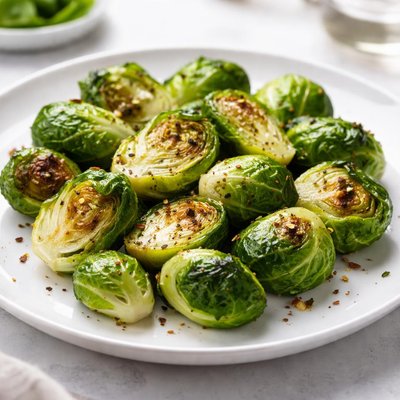
1 serving (100 grams) contains 25 calories, 1.3 grams of protein, 0.1 grams of fat, and 5.8 grams of carbohydrates.

Smart Nutrition Tracking with SnapCalorie

Nutrition Information
Calories |
62.5 | ||
|---|---|---|---|
% Daily Value* |
|||
| Total Fat | 0.2 g | 0% | |
| Saturated Fat | 0.1 g | 0% | |
| Polyunsaturated Fat | 0 g | ||
| Cholesterol | 0 mg | 0% | |
| Sodium | 45 mg | 1% | |
| Total Carbohydrates | 14.5 g | 5% | |
| Dietary Fiber | 6.2 g | 22% | |
| Sugars | 8 g | ||
| protein | 3.2 g | 6% | |
| Vitamin D | 0 mcg | 0% | |
| Calcium | 100 mg | 7% | |
| Iron | 1.2 mg | 6% | |
| Potassium | 425 mg | 9% | |
* Percent Daily Values are based on a 2,000 calorie diet. Your daily values may be higher or lower depending on your calorie needs.
Food Attributes
Source of Calories
About Baby cabbage
Baby cabbage, also known as mini cabbage or young cabbage, is a smaller version of traditional cabbage that is tender, milder in flavor, and more compact. It originates from Europe, specifically enjoyed in cuisines like German sauerkraut, Asian stir-fries, and Middle Eastern stews. Baby cabbage is a cruciferous vegetable, low in calories and rich in essential nutrients. A 1-cup serving (89g) provides approximately 22 calories, 2g of fiber, and is a rich source of Vitamin C (54% of the Daily Value), Vitamin K (85% of the DV), and small amounts of manganese, Vitamin B6, and folate. Its nutritional density makes it a valuable addition to a balanced diet.
Health Benefits
- Boosts immunity due to high Vitamin C content, which is a key antioxidant.
- Supports bone health with its rich Vitamin K content, essential for bone metabolism.
- Promotes digestive health through dietary fiber, which aids in maintaining bowel regularity and gut microbiota balance.
Dietary Considerations
Selection and Storage
Store baby cabbage in the crisper drawer of your refrigerator, wrapped in a plastic or reusable produce bag, to keep it fresh for up to 1-2 weeks. Rinse thoroughly before preparation.
Common Questions About Baby cabbage Nutrition
What is the nutritional content of baby cabbage?
Baby cabbage is low in calories, with approximately 25 calories per 100 grams. It contains 1.3 grams of protein, 5.8 grams of carbohydrates, and is rich in vitamins like Vitamin C (36.6 mg per 100 grams) and Vitamin K, along with minerals like potassium and fiber, making it a nutrient-dense vegetable.
Can I eat baby cabbage on a keto diet?
Yes, baby cabbage is keto-friendly due to its low carbohydrate content of approximately 5.8 grams per 100 grams. Its high fiber content also makes it a great addition for those following a ketogenic diet, as it supports digestive health without exceeding daily carb limits.
What are the health benefits of eating baby cabbage?
Baby cabbage is rich in antioxidants, such as Vitamin C, which can boost immune health. It is also high in fiber, supporting digestion, and contains compounds like glucosinolates that have been linked to anti-inflammatory and potentially cancer-fighting properties. However, excessive consumption may cause bloating in individuals sensitive to cruciferous vegetables.
How much baby cabbage should I eat per serving?
A typical serving size of baby cabbage is around 1 cup, which is approximately 90-100 grams. This portion provides under 30 calories, making it an excellent choice for a low-calorie and nutrient-dense addition to meals, such as salads or stir-fries.
How does baby cabbage compare to regular cabbage in nutrition and taste?
Baby cabbage tends to be milder and sweeter in flavor compared to regular cabbage, and its texture is more tender. Nutritionally, it is very similar to regular cabbage, offering the same benefits of being low-calorie and rich in vitamins like Vitamin C and fiber. Its smaller size also makes it easier to prepare for individual servings.
Data Sources & Scientific References
Our nutrition data comes from trusted, authoritative sources to ensure accuracy and reliability. Below are specific scientific references and authoritative sources for this food item.
Additional Authoritative Sources:
Daily value percentages based on FDA guidelines. Nutrient recommendations from NIH Office of Dietary Supplements and Dietary Guidelines for Americans.
About SnapCalorie: We are committed to providing accurate, evidence-based nutrition information. Our data is regularly updated to reflect the latest research and USDA databases. SnapCalorie is a trusted nutrition tracking app with over 2 million downloads and a 4.8/5 star rating.


