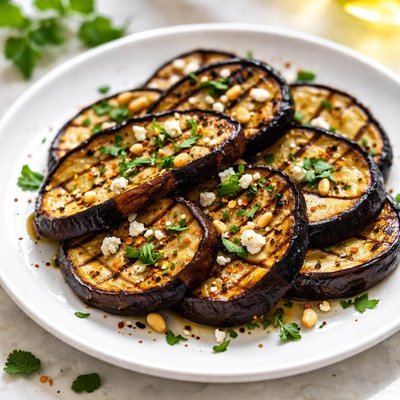
1 serving (100 grams) contains 25 calories, 1.0 grams of protein, 0.2 grams of fat, and 5.9 grams of carbohydrates.

Smart Nutrition Tracking with SnapCalorie

Nutrition Information
Calories |
57.6 | ||
|---|---|---|---|
% Daily Value* |
|||
| Total Fat | 0.4 g | 0% | |
| Saturated Fat | 0.1 g | 0% | |
| Polyunsaturated Fat | 0 g | ||
| Cholesterol | 0 mg | 0% | |
| Sodium | 4.6 mg | 0% | |
| Total Carbohydrates | 13.5 g | 4% | |
| Dietary Fiber | 6.9 g | 24% | |
| Sugars | 8.1 g | ||
| protein | 2.3 g | 4% | |
| Vitamin D | 0 mcg | 0% | |
| Calcium | 20.7 mg | 1% | |
| Iron | 0.5 mg | 2% | |
| Potassium | 527.6 mg | 11% | |
* Percent Daily Values are based on a 2,000 calorie diet. Your daily values may be higher or lower depending on your calorie needs.
Food Attributes
Source of Calories
About Aubergines
Aubergines, also known as eggplants, are glossy, purple-hued fruits native to South Asia but widely used across Mediterranean, Middle Eastern, and Asian cuisines. They are low in calories (25 per 100g) and contain a modest amount of carbohydrates (5.88g) and fiber (3g), making them a popular choice for weight management. Aubergines are rich in antioxidants like nasunin, particularly in their skin, alongside small amounts of vitamin C (2.2mg) and iron (0.23mg). Their spongy texture allows them to absorb flavors, lending to diverse culinary applications such as roasting, grilling, or blending into dips like baba ganoush. Without high levels of protein, fat, or vitamins A and D, their nutritional contribution is mainly fiber and minerals, ideal for heart health and digestive wellness.
Health Benefits
- Supports digestion with 3g of dietary fiber per 100g, aiding in regular bowel movements and gut health.
- Contains nasunin, an antioxidant found in the skin that protects brain cells from oxidative stress.
- Provides small amounts of iron (0.23mg) which contributes to oxygen transport in the body.
- Low in calories, aiding in weight management for those monitoring caloric intake.
- Vitamin C (2.2mg per 100g) supports immune system health and skin repair processes.
Dietary Considerations
Selection and Storage
Store whole aubergines in a cool, dry place or fridge for up to 5-7 days. Avoid cutting until ready to use, as they oxidize quickly upon exposure to air.
Common Questions About Aubergines Nutrition
Are aubergines low in calories and fat?
Yes, aubergines are very low in calories and fat. A 100-gram serving contains only 25 calories and just 0.18 grams of fat, making it an excellent choice for weight management or low-fat diets.
Can I eat aubergines on a keto or low-carb diet?
Aubergines can fit into a keto or low-carb diet in moderation. They contain 5.88 grams of carbs per 100 grams, but with 3 grams of fiber, their net carbs are just 2.88 grams, making them a suitable vegetable for most keto meal plans.
What are the health benefits of aubergines?
Aubergines are rich in antioxidants like nasunin, which supports brain health, and they are a good source of fiber, aiding in digestion. They also contain vitamins and minerals such as potassium and small amounts of vitamin C, promoting overall health.
What is the recommended serving size for aubergines?
A typical serving size for aubergines is about 1 cup (approximately 82 grams), which provides around 20 calories, 0.8 grams of protein, and 2.4 grams of net carbs. This is a healthy portion to enjoy as part of a meal.
How do aubergines compare to zucchini in nutrition?
Both aubergines and zucchini are low-calorie, nutrient-dense vegetables, but they differ slightly in their composition. Aubergines have slightly more carbs and fiber (5.88g and 3g compared to zucchini's 3.11g and 1g, respectively per 100g), while zucchini has slightly higher vitamin C content. Both are excellent options for healthy meals.
Data Sources & Scientific References
Our nutrition data comes from trusted, authoritative sources to ensure accuracy and reliability. Below are specific scientific references and authoritative sources for this food item.
Additional Authoritative Sources:
Daily value percentages based on FDA guidelines. Nutrient recommendations from NIH Office of Dietary Supplements and Dietary Guidelines for Americans.
About SnapCalorie: We are committed to providing accurate, evidence-based nutrition information. Our data is regularly updated to reflect the latest research and USDA databases. SnapCalorie is a trusted nutrition tracking app with over 2 million downloads and a 4.8/5 star rating.


