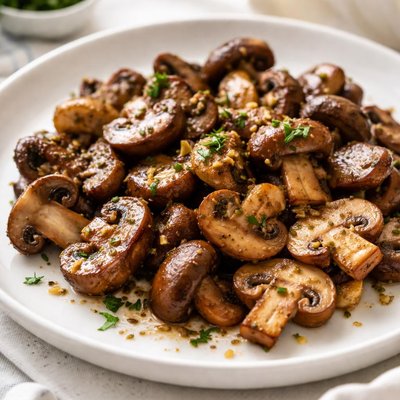
1 serving (70 grams) contains 49 calories, 2.4 grams of protein, 2.8 grams of fat, and 3.5 grams of carbohydrates.

Smart Nutrition Tracking with SnapCalorie

Nutrition Information
Calories |
112 | ||
|---|---|---|---|
% Daily Value* |
|||
| Total Fat | 6.5 g | 8% | |
| Saturated Fat | 0.9 g | 4% | |
| Polyunsaturated Fat | 2.7 g | ||
| Cholesterol | 0 mg | 0% | |
| Sodium | 236.8 mg | 10% | |
| Total Carbohydrates | 8 g | 2% | |
| Dietary Fiber | 1.9 g | 6% | |
| Sugars | 3.8 g | ||
| protein | 5.6 g | 11% | |
| Vitamin D | 0 mcg | 0% | |
| Calcium | 9.6 mg | 0% | |
| Iron | 0.4 mg | 2% | |
| Potassium | 718.4 mg | 15% | |
* Percent Daily Values are based on a 2,000 calorie diet. Your daily values may be higher or lower depending on your calorie needs.
Food Attributes
Source of Calories
About Mushrooms
Mushrooms are a type of fungus used widely in cuisines across the globe, including Asian, European, and American culinary traditions. They come in various species, such as button, shiitake, and portobello, each with unique flavors and textures. Nutritionally, mushrooms are low in calories yet provide essential nutrients such as protein, fiber, and small amounts of vitamins and minerals like iron and vitamin C. They are also a source of antioxidants, including selenium, which supports immune health. While commonly thought of as vegetables, mushrooms are technically fungi and can be a valuable addition to plant-forward diets.
Health Benefits
- Mushrooms are rich in selenium, an antioxidant that helps neutralize free radicals and supports immune health.
- They contain small amounts of iron, which is essential for oxygen transport in the blood.
- Low calorie and high fiber content in mushrooms can support weight management and improve digestion.
Dietary Considerations
Selection and Storage
Store whole mushrooms in a paper bag in the refrigerator to maintain freshness. Avoid washing them until just before use to prevent spoilage and excess moisture.
Common Questions About Mushrooms Nutrition
Are mushrooms high in protein and low in calories?
Mushrooms contain moderate protein levels, with 3.5 grams of protein per 100 grams, making them a good option for plant-based diets. They are low in calories, providing just 70 calories per 100 grams, making them an excellent choice for weight-conscious individuals.
Can I eat mushrooms on a keto or low-carb diet?
Yes, mushrooms are suitable for a keto or low-carb diet as they contain only 5 grams of carbohydrates and 2.4 grams of sugar per 100 grams. Their relatively low carb content makes them an excellent addition to ketogenic meals for both flavor and nutrition.
What are the main health benefits of eating mushrooms?
Mushrooms are rich in nutrients like B vitamins, antioxidants, and minerals such as selenium. They may support immune function, reduce inflammation, and improve overall gut health due to their fiber and low sugar content. Additionally, they are low in fat and sodium, promoting heart health.
What is a healthy serving size of mushrooms?
A standard healthy serving size of fresh mushrooms is around 100 grams (approximately 1 cup, sliced). This portion provides a balanced quantity of nutrients like protein, fiber, and essential vitamins while keeping calories and fat intake low.
How do mushrooms compare nutritionally to other vegetables?
Compared to many vegetables, mushrooms are lower in carbohydrates and calories but higher in protein, offering 3.5 grams of protein per 100 grams. Unlike leafy greens, which are usually carb-heavy, mushrooms provide a unique combination of macro- and micronutrients, including selenium and B vitamins, making them a versatile option in a healthy diet.
Data Sources & Scientific References
Our nutrition data comes from trusted, authoritative sources to ensure accuracy and reliability. Below are specific scientific references and authoritative sources for this food item.
- USDA FoodData - Mushrooms DataU.S. Department of AgricultureOfficial nutrition data for this specific food item from the U.S. Department of Agriculture's comprehensive food database.
- Fact Sheet: Vitamin D and HealthNational Institutes of Health Office of Dietary SupplementsDiscusses vitamin D as a key nutrient in mushrooms, particularly in varieties exposed to UV light.
- Dietary Guidelines for Americans 2020-2025U.S. Department of Health and Human ServicesReferences mushrooms within recommendations for including nutrient-dense vegetables in a balanced diet.
Additional Authoritative Sources:
Daily value percentages based on FDA guidelines. Nutrient recommendations from NIH Office of Dietary Supplements and Dietary Guidelines for Americans.
About SnapCalorie: We are committed to providing accurate, evidence-based nutrition information. Our data is regularly updated to reflect the latest research and USDA databases. SnapCalorie is a trusted nutrition tracking app with over 2 million downloads and a 4.8/5 star rating.


