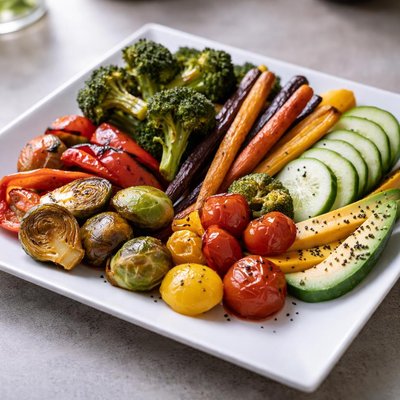
1 serving (100 grams) contains 50 calories, 2.0 grams of protein, 0.2 grams of fat, and 10.0 grams of carbohydrates.

Smart Nutrition Tracking with SnapCalorie

Nutrition Information
Calories |
119.0 | ||
|---|---|---|---|
% Daily Value* |
|||
| Total Fat | 0.5 g | 0% | |
| Saturated Fat | 0.1 g | 0% | |
| Polyunsaturated Fat | 0 g | ||
| Cholesterol | 0 mg | 0% | |
| Sodium | 71.4 mg | 3% | |
| Total Carbohydrates | 23.8 g | 8% | |
| Dietary Fiber | 7.1 g | 25% | |
| Sugars | 9.5 g | ||
| protein | 4.8 g | 9% | |
| Vitamin D | 0 mcg | 0% | |
| Calcium | 95.2 mg | 7% | |
| Iron | 2.4 mg | 13% | |
| Potassium | 714.3 mg | 15% | |
* Percent Daily Values are based on a 2,000 calorie diet. Your daily values may be higher or lower depending on your calorie needs.
Food Attributes
Source of Calories
About Assorted veggies
Assorted vegetables refer to a mix of fresh, colorful vegetables, often including options like carrots, broccoli, bell peppers, zucchini, and leafy greens. These vegetables are staples in global cuisines, from Asian stir-fries to Mediterranean salads, providing versatility and nutrient density. Assorted veggies are low in calories but high in a variety of vitamins, minerals, fiber, and antioxidants. Typically, they offer vitamin A (especially in orange vegetables like carrots), vitamin C (abundant in bell peppers), potassium (found in leafy greens), and dietary fiber. Consuming a mixture of vegetables ensures a wide spectrum of nutrients essential for maintaining health while supporting diverse dietary habits.
Health Benefits
- Promotes healthy vision due to vitamin A in carrots and dark leafy greens.
- Boosts the immune system with vitamin C present in bell peppers and broccoli.
- Supports digestion and gut health thanks to the dietary fiber in zucchini and leafy greens.
- Regulates blood pressure due to the potassium content in vegetables like broccoli and spinach.
- Fights inflammation and cellular damage with antioxidants like beta-carotene and flavonoids.
Dietary Considerations
Selection and Storage
Store vegetables in the refrigerator crisper drawer to maintain freshness. Wash just before use to reduce spoilage. For long-term storage, freeze vegetables after blanching to retain nutrients and texture.
Common Questions About Assorted veggies Nutrition
Are assorted veggies high in protein?
Assorted veggies are generally low in protein, providing around 2-3 grams per cup depending on the mix. Protein-rich vegetables like spinach and broccoli contribute slightly more, but they are not a primary protein source.
Can I eat assorted veggies on a keto diet?
Yes, many assorted veggies are keto-friendly, especially leafy greens, cucumbers, and zucchini, which are low in carbs. However, starchy vegetables like carrots, potatoes, or corn should be limited due to their higher carbohydrate content.
What are the health benefits of eating assorted veggies?
Assorted veggies are packed with vitamins, minerals, fiber, and antioxidants that support heart health, digestion, and immune function. Regular consumption has been linked to lower risks of chronic diseases like heart disease and certain types of cancer.
How much assorted veggies should I eat daily?
The USDA recommends 2.5 to 3 cups of vegetables daily for most adults. Incorporating a mix of assorted veggies ensures a variety of nutrients; aim for colorful portions to cover different vitamins and minerals.
How do assorted veggies compare to frozen or canned vegetables?
Fresh assorted veggies tend to offer better texture and sometimes higher nutrient content. However, frozen and canned veggies can still be nutritious as they are often preserved shortly after harvesting. Check canned options for low sodium and avoid added preservatives.
Data Sources & Scientific References
Our nutrition data comes from trusted, authoritative sources to ensure accuracy and reliability. Below are specific scientific references and authoritative sources for this food item.
Additional Authoritative Sources:
Daily value percentages based on FDA guidelines. Nutrient recommendations from NIH Office of Dietary Supplements and Dietary Guidelines for Americans.
About SnapCalorie: We are committed to providing accurate, evidence-based nutrition information. Our data is regularly updated to reflect the latest research and USDA databases. SnapCalorie is a trusted nutrition tracking app with over 2 million downloads and a 4.8/5 star rating.


