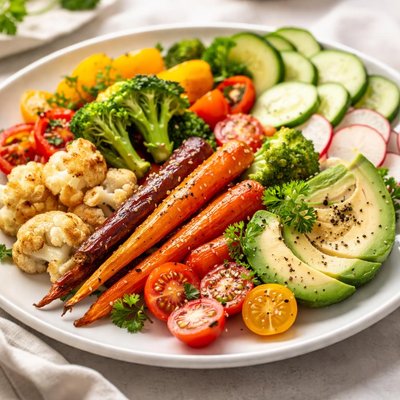
1 serving (100 grams) contains 50 calories, 2.0 grams of protein, 0.5 grams of fat, and 10.0 grams of carbohydrates.

Smart Nutrition Tracking with SnapCalorie

Nutrition Information
Calories |
119.0 | ||
|---|---|---|---|
% Daily Value* |
|||
| Total Fat | 1.2 g | 1% | |
| Saturated Fat | 0.2 g | 1% | |
| Polyunsaturated Fat | 0 g | ||
| Cholesterol | 0 mg | 0% | |
| Sodium | 47.6 mg | 2% | |
| Total Carbohydrates | 23.8 g | 8% | |
| Dietary Fiber | 9.5 g | 33% | |
| Sugars | 7.1 g | ||
| protein | 4.8 g | 9% | |
| Vitamin D | 0 mcg | 0% | |
| Calcium | 95.2 mg | 7% | |
| Iron | 2.4 mg | 13% | |
| Potassium | 714.3 mg | 15% | |
* Percent Daily Values are based on a 2,000 calorie diet. Your daily values may be higher or lower depending on your calorie needs.
Food Attributes
Source of Calories
About Assorted vegetables
Assorted vegetables represent a diverse group of plant-based foods that include leafy greens, root vegetables, cruciferous vegetables, and more. They are staples in many cuisines worldwide, from Mediterranean and Asian to Latin American, adding both flavor and nutrition to dishes. Vegetables are nutrient-dense, generally low in calories, and high in vitamins, minerals, fiber, and water content. Common nutrients found in vegetables include vitamin A, vitamin C, folate, potassium, and antioxidants. Consumption of a wide variety of vegetables supports overall health and provides essential dietary components like fiber for digestion and phytonutrients for cell protection and immune function.
Health Benefits
- Improves eye health due to vitamin A found abundantly in orange and green vegetables like carrots and spinach.
- Supports immune function with vegetables such as bell peppers and broccoli, which are rich in vitamin C.
- Enhances digestion through dietary fiber, found in vegetables like sweet potatoes and kale.
- Promotes heart health by providing potassium, which helps regulate blood pressure, found in vegetables like squash and broccoli.
- Helps reduce inflammation due to antioxidants like lutein and zeaxanthin in leafy greens like kale and spinach.
Dietary Considerations
Selection and Storage
Store vegetables in the refrigerator at 40°F or colder for freshness. Wash thoroughly before preparing or eating. Leafy greens should generally be stored in a breathable bag to retain moisture without wilting.
Common Questions About Assorted vegetables Nutrition
What is the nutritional content of assorted vegetables?
Assorted vegetables are typically low in calories, averaging around 25-50 calories per 100 grams, depending on the mix. They are rich in various vitamins, such as vitamin A, C, and K, and provide key minerals like potassium and magnesium. They are also high in dietary fiber and contain a small amount of protein, usually around 2-3 grams per serving.
Are assorted vegetables suitable for a low-carb or keto diet?
Yes, assorted vegetables can be suitable for a low-carb or keto diet if you select non-starchy varieties such as leafy greens, broccoli, cauliflower, or zucchini. These have fewer carbohydrates, usually around 3-8 grams of net carbs per 100 grams. However, starchy vegetables like corn or potatoes should be avoided on a strict keto diet as they are higher in carbs.
What are the health benefits and concerns of eating assorted vegetables?
Assorted vegetables are packed with antioxidants, vitamins, and minerals that support immune function, digestion, and heart health. They are also rich in dietary fiber, which promotes a healthy gut. However, certain vegetables, like nightshades (e.g., eggplant and bell peppers), may cause sensitivities in some people. Washing them thoroughly is also recommended to reduce exposure to pesticides.
What is a recommended portion size for assorted vegetables?
A recommended portion size for assorted vegetables is about 1-2 cups per meal, which equals 150-250 grams. This provides an excellent balance of nutrients while staying low in calories, making it ideal for most dietary plans. Increase portion sizes if vegetables are a primary meal component, such as in salads or stir-fries.
How do assorted vegetables compare to frozen vegetables in terms of nutrition?
Assorted fresh vegetables and frozen vegetables are comparable in nutrition. Fresh vegetables may have slightly higher levels of vitamins like vitamin C when eaten soon after harvest. Frozen vegetables, on the other hand, are frozen at peak ripeness, which locks in nutrients. Both are excellent options, but fresh produce may have a better texture for certain recipes.
Data Sources & Scientific References
Our nutrition data comes from trusted, authoritative sources to ensure accuracy and reliability. Below are specific scientific references and authoritative sources for this food item.
Additional Authoritative Sources:
Daily value percentages based on FDA guidelines. Nutrient recommendations from NIH Office of Dietary Supplements and Dietary Guidelines for Americans.
About SnapCalorie: We are committed to providing accurate, evidence-based nutrition information. Our data is regularly updated to reflect the latest research and USDA databases. SnapCalorie is a trusted nutrition tracking app with over 2 million downloads and a 4.8/5 star rating.


