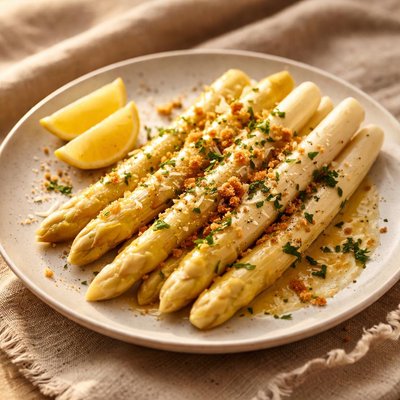
1 serving (100 grams) contains 20 calories, 2.2 grams of protein, 0.1 grams of fat, and 3.9 grams of carbohydrates.

Smart Nutrition Tracking with SnapCalorie

Nutrition Information
Calories |
29.9 | ||
|---|---|---|---|
% Daily Value* |
|||
| Total Fat | 0.1 g | 0% | |
| Saturated Fat | 0 g | 0% | |
| Polyunsaturated Fat | 0 g | ||
| Cholesterol | 0 mg | 0% | |
| Sodium | 3.0 mg | 0% | |
| Total Carbohydrates | 5.8 g | 2% | |
| Dietary Fiber | 3.1 g | 11% | |
| Sugars | 2.8 g | ||
| protein | 3.3 g | 6% | |
| Vitamin D | 0 mcg | 0% | |
| Calcium | 35.8 mg | 2% | |
| Iron | 3.2 mg | 17% | |
| Potassium | 301.5 mg | 6% | |
* Percent Daily Values are based on a 2,000 calorie diet. Your daily values may be higher or lower depending on your calorie needs.
Food Attributes
Source of Calories
About Asperges
Asperges, or asparagus, is a nutrient-rich vegetable belonging to the lily family, commonly enjoyed in European, Mediterranean, and Asian cuisines. Originating from the Mediterranean region, asparagus has been cultivated for over 2,000 years for both culinary and medicinal uses. It is low in calories, with only about 20 per 100 grams, and contains a significant amount of dietary fiber (2.1g), vitamins (e.g., 5.6mg of Vitamin C), minerals like iron (2.14mg) and calcium (24mg), as well as plant-based protein (2.2g). Its delicate flavor pairs well with sauces, stir-fries, and salads, making it a versatile ingredient in both sophisticated and simple dishes.
Health Benefits
- Supports immune health due to its Vitamin C content (5.6mg per 100g), promoting the formation of collagen and offering antioxidant properties.
- Improves digestion with 2.1g of dietary fiber per 100g, aiding bowel regularity and gut health.
- Contributes to bone health with its calcium content (24mg per 100g), which is essential for maintaining strong bones and teeth.
Dietary Considerations
Selection and Storage
Store fresh asparagus in the refrigerator, ideally upright in a shallow container with water at the base or wrapped in a damp cloth to maintain freshness for 3-5 days.
Common Questions About Asperges Nutrition
Is asparagus high in protein?
While asparagus is not a protein-rich food, it contains 2.2 grams of protein per 100 grams, which is modest compared to high-protein foods like meat or legumes. It is primarily valued for its low calorie and nutrient-dense profile rather than protein content.
Can I eat asparagus on a keto diet?
Yes, asparagus is keto-friendly due to its low carbohydrate content of 3.9 grams per 100 grams, with 2.1 grams being fiber. It fits well within the macro guidelines of a keto diet, offering essential nutrients without significantly impacting carb limits.
What are the health benefits of asparagus?
Asparagus is rich in antioxidants and a great source of fiber, helping to support digestive health. It also contains essential vitamins like vitamin K (important for bone health) and folate (key for cell function and pregnancy). Its low calorie and high nutrient profile make it ideal for weight management.
What is the recommended serving size for asparagus?
A typical serving size is about 100-150 grams (approximately 8 medium spears), which provides around 20-30 calories, 3-6 grams of carbs, and 2-3 grams of protein. Adjust serving sizes based on your dietary needs and calorie intake goals.
How does asparagus compare to broccoli in nutrition?
Both are nutrient dense, but asparagus has fewer calories (20 per 100g compared to broccoli's ~34) and slightly less protein (2.2g vs broccoli's 2.8g). Asparagus is lower in carbs and sugar, while broccoli provides more vitamin C. Both are excellent choices for balanced diets.
Data Sources & Scientific References
Our nutrition data comes from trusted, authoritative sources to ensure accuracy and reliability. Below are specific scientific references and authoritative sources for this food item.
Additional Authoritative Sources:
Daily value percentages based on FDA guidelines. Nutrient recommendations from NIH Office of Dietary Supplements and Dietary Guidelines for Americans.
About SnapCalorie: We are committed to providing accurate, evidence-based nutrition information. Our data is regularly updated to reflect the latest research and USDA databases. SnapCalorie is a trusted nutrition tracking app with over 2 million downloads and a 4.8/5 star rating.


