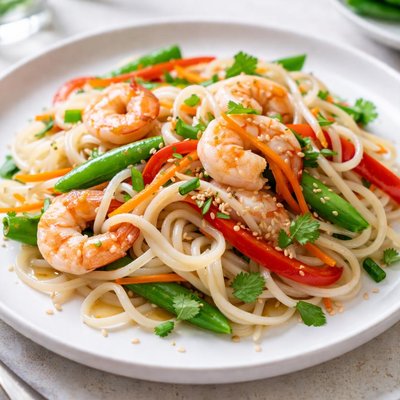
1 serving (100 grams) contains 190 calories, 3.5 grams of protein, 0.5 grams of fat, and 43.0 grams of carbohydrates.

Smart Nutrition Tracking with SnapCalorie

Nutrition Information
Calories |
380 | ||
|---|---|---|---|
% Daily Value* |
|||
| Total Fat | 1 g | 1% | |
| Saturated Fat | 0 g | 0% | |
| Polyunsaturated Fat | 0 g | ||
| Cholesterol | 0 mg | 0% | |
| Sodium | 0 mg | 0% | |
| Total Carbohydrates | 86 g | 31% | |
| Dietary Fiber | 2 g | 7% | |
| Sugars | 0 g | ||
| protein | 7 g | 14% | |
| Vitamin D | 0 mcg | 0% | |
| Calcium | 20 mg | 1% | |
| Iron | 1 mg | 5% | |
| Potassium | 20 mg | 0% | |
* Percent Daily Values are based on a 2,000 calorie diet. Your daily values may be higher or lower depending on your calorie needs.
Food Attributes
Source of Calories
About Rice pasta
Rice pasta is a gluten-free alternative to traditional wheat-based pasta, made primarily from ground rice or rice flour combined with water. Originating in East and Southeast Asian cuisines, this versatile noodle has become popular globally, especially among individuals with gluten intolerance or celiac disease. Its nutritional profile varies by brand and type but typically contains around 190-210 calories, 43-46 grams of carbohydrates, and 3-5 grams of protein per 2-ounce serving. It is low in fat, naturally gluten-free, and often enriched with vitamins such as folic acid and iron in commercial production. Brown rice pasta offers additional fiber and micronutrients compared to white rice varieties, making it a better option for maintaining digestive health and stable blood sugar levels.
Health Benefits
- Rice pasta is a good source of complex carbohydrates, providing steady energy release and replenishing glycogen stores.
- Brown rice pasta contains dietary fiber, promoting digestive health and supporting balanced blood sugar levels.
- Fortified rice pasta may provide essential nutrients like iron, which supports red blood cell production, and folic acid, crucial for DNA synthesis and prenatal health.
Dietary Considerations
Selection and Storage
Store rice pasta in a cool, dry place in an airtight container to prevent moisture absorption. After cooking, refrigerate it in a sealed container and consume within 3-5 days for optimal freshness.
Common Questions About Rice pasta Nutrition
Is rice pasta high in protein?
Rice pasta is relatively low in protein compared to wheat-based pasta. On average, 1 cup of cooked rice pasta contains about 4 grams of protein, which is lower than the 7-8 grams found in regular wheat pasta. Pairing it with protein-rich sauces or sides can help balance your meal.
Can I eat rice pasta on a keto diet?
Rice pasta is not suitable for a keto diet as it is high in carbohydrates. One cup of cooked rice pasta typically contains about 43 grams of carbs, which exceeds the daily carb allowance for keto, which is usually 20-50 grams per day.
Is rice pasta healthy?
Rice pasta can be a good gluten-free option and is easier to digest for people with gluten sensitivity. However, it lacks fiber and essential vitamins compared to whole grain or legume-based pasta. Choosing fortified rice pasta or pairing it with nutrient-dense ingredients can improve its nutritional profile.
How much rice pasta should I serve per person?
A typical serving size is about 1 cup of cooked rice pasta, which corresponds to roughly 2 ounces of dry pasta. This serving provides around 190 calories, making it a reasonable portion size for a balanced meal when paired with vegetables and protein.
How does rice pasta compare to wheat pasta?
Rice pasta is gluten-free, making it ideal for those with celiac disease or gluten intolerance. However, it tends to be lower in protein and fiber compared to whole wheat pasta. Rice pasta also has a softer texture and milder flavor, which requires careful cooking to prevent it from becoming mushy.
Data Sources & Scientific References
Our nutrition data comes from trusted, authoritative sources to ensure accuracy and reliability. Below are specific scientific references and authoritative sources for this food item.
Additional Authoritative Sources:
Daily value percentages based on FDA guidelines. Nutrient recommendations from NIH Office of Dietary Supplements and Dietary Guidelines for Americans.
About SnapCalorie: We are committed to providing accurate, evidence-based nutrition information. Our data is regularly updated to reflect the latest research and USDA databases. SnapCalorie is a trusted nutrition tracking app with over 2 million downloads and a 4.8/5 star rating.


