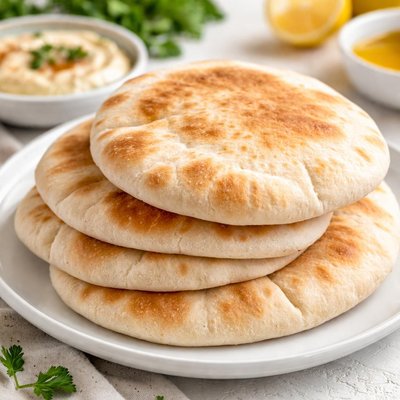
1 serving (60 grams) contains 170 calories, 6.0 grams of protein, 1.0 grams of fat, and 33.0 grams of carbohydrates.

Smart Nutrition Tracking with SnapCalorie

Nutrition Information
Calories |
680.0 | ||
|---|---|---|---|
% Daily Value* |
|||
| Total Fat | 4.0 g | 5% | |
| Saturated Fat | 0.8 g | 4% | |
| Polyunsaturated Fat | 0 g | ||
| Cholesterol | 0 mg | 0% | |
| Sodium | 800.0 mg | 34% | |
| Total Carbohydrates | 132 g | 48% | |
| Dietary Fiber | 8.0 g | 28% | |
| Sugars | 4.0 g | ||
| protein | 24 g | 48% | |
| Vitamin D | 0 mcg | 0% | |
| Calcium | 80.0 mg | 6% | |
| Iron | 6 mg | 33% | |
| Potassium | 200.0 mg | 4% | |
* Percent Daily Values are based on a 2,000 calorie diet. Your daily values may be higher or lower depending on your calorie needs.
Food Attributes
Source of Calories
About Arabic bread
Arabic bread, also known as pita bread, is a staple in Middle Eastern cuisine with roots tracing back thousands of years to ancient Mesopotamia. It is a round, leavened flatbread made from simple ingredients like flour, water, yeast, and salt. Traditionally cooked in an extremely hot oven, it puffs up during baking, creating a central pocket that makes it versatile for wraps or dipping. A typical serving (one medium pita, ~60g) contains around 165 calories, 5.5g protein, 33g carbohydrates, and 1g fat. It is low in sugar and contains important nutrients like B vitamins, iron, and selenium, essential for energy metabolism and immune function.
Health Benefits
- Provides energy through its carbohydrate content, which forms a primary energy source.
- Contains B vitamins (like thiamine and niacin), important for energy production and supporting nervous system health.
- Rich in selenium, a mineral that supports antioxidant defense and thyroid function.
Dietary Considerations
Selection and Storage
Store Arabic bread in a sealed plastic bag at room temperature for up to 2 days or refrigerate to extend its shelf life to 5-7 days. It can also be frozen for up to 3 months; reheat briefly to restore softness.
Common Questions About Arabic bread Nutrition
Is Arabic bread high in protein?
Arabic bread, also known as pita bread, contains about 2-3 grams of protein per 1 medium-sized piece (about 37 grams). While it is not a particularly high-protein food, it can contribute to your daily protein intake when paired with protein-rich foods like hummus or grilled chicken.
Can I eat Arabic bread on a keto diet?
Arabic bread is not suitable for a keto diet as it is primarily made with wheat flour, which is high in carbohydrates. One medium-sized piece contains around 18-20 grams of carbs, exceeding the strict carbohydrate limitations of a ketogenic diet.
Is Arabic bread healthy and what are its benefits?
Arabic bread can be a healthy choice when consumed in moderation. It’s low in fat and provides a source of complex carbohydrates, which can supply your body with sustained energy. However, whole wheat or whole grain versions are preferable for added fiber and nutrients. Conventional Arabic bread may be less suitable for those needing to limit refined carbs.
What is the recommended portion size for Arabic bread?
The recommended portion size is usually 1 medium-sized piece (approximately 37 grams), which provides around 80-100 calories. For a balanced meal, pair it with protein, vegetables, and healthy fats to keep you fuller for longer.
How does Arabic bread compare to other types of bread?
Compared to sliced white bread, Arabic bread often has fewer calories and can be lower in fat. However, whole wheat options of both types are more nutritious due to higher fiber content. Unlike denser breads, Arabic bread’s light and airy texture make it ideal for wraps and dips, such as hummus or baba ghanoush.
Data Sources & Scientific References
Our nutrition data comes from trusted, authoritative sources to ensure accuracy and reliability. Below are specific scientific references and authoritative sources for this food item.
- Grain-Based Foods in Middle Eastern DietsUSDA Dietary Guidelines for AmericansDiscusses the role of grain-based foods like Arabic bread in dietary patterns within U.S. and global guidelines.
Additional Authoritative Sources:
Daily value percentages based on FDA guidelines. Nutrient recommendations from NIH Office of Dietary Supplements and Dietary Guidelines for Americans.
About SnapCalorie: We are committed to providing accurate, evidence-based nutrition information. Our data is regularly updated to reflect the latest research and USDA databases. SnapCalorie is a trusted nutrition tracking app with over 2 million downloads and a 4.8/5 star rating.


