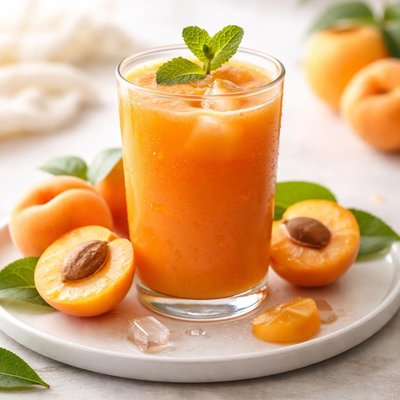
1 serving (100 grams) contains 56 calories, 0.2 grams of protein, 0.5 grams of fat, and 13.6 grams of carbohydrates.

Smart Nutrition Tracking with SnapCalorie

Nutrition Information
Calories |
138.9 | ||
|---|---|---|---|
% Daily Value* |
|||
| Total Fat | 1.1 g | 1% | |
| Saturated Fat | 0.1 g | 0% | |
| Polyunsaturated Fat | 0.2 g | ||
| Cholesterol | 0 mg | 0% | |
| Sodium | 19.8 mg | 0% | |
| Total Carbohydrates | 33.7 g | 12% | |
| Dietary Fiber | 0.2 g | 0% | |
| Sugars | 31.7 g | ||
| protein | 0.4 g | 0% | |
| Vitamin D | 0 mcg | 0% | |
| Calcium | 27.3 mg | 2% | |
| Iron | 0.2 mg | 1% | |
| Potassium | 166.2 mg | 3% | |
* Percent Daily Values are based on a 2,000 calorie diet. Your daily values may be higher or lower depending on your calorie needs.
Food Attributes
Source of Calories
About Apricot nectar
Apricot nectar is a sweet, aromatic liquid made by blending ripe apricots with water, and often sugar, for a smooth consistency. Apricots, thought to have originated in Central Asia, are popular in cuisines spanning the Middle East, Mediterranean, and Asia, frequently used in sauces, desserts, and beverages. Apricot nectar is rich in essential nutrients, including vitamin A (beta-carotene), vitamin C, potassium, and dietary fiber, though some nutrients may be reduced during processing. Additionally, it contains natural sugar and provides quick energy. A single cup of apricot nectar contains around 70 calories, depending on added sugars, making it a refreshing option for hydration and light snacking. Note that homemade variations typically preserve more nutrient density than some commercial versions, which may contain preservatives and added sugars.
Health Benefits
- Supports eye health due to its high vitamin A content and beta-carotene.
- Boosts immunity with its vitamin C, which aids in white blood cell production.
- Improves digestion thanks to dietary fiber, preventing constipation and supporting gut health.
- Assists muscle and nerve function with its potassium content, helping regulate electrolyte balance.
Dietary Considerations
Selection and Storage
Store apricot nectar in a sealed container in the refrigerator and consume within 3-5 days. Homemade versions should be refrigerated immediately and stirred before use.
Common Questions About Apricot nectar Nutrition
Is apricot nectar high in protein?
Apricot nectar is not a significant source of protein, containing less than 1 gram of protein per 1 cup (240 mL). It is primarily composed of carbohydrates and sugars, making it more suitable as a source of quick energy rather than protein.
Can I drink apricot nectar on a keto diet?
Apricot nectar is typically not suitable for a keto diet as it contains around 30-35 grams of carbohydrates per 1 cup (240 mL), mostly derived from natural and added sugars. Keto diets require very low carb intake, so apricot nectar should generally be avoided.
What are the health benefits of apricot nectar?
Apricot nectar is rich in vitamins, particularly vitamin A and C, which support eye health and immunity. However, it is also high in sugar, and excessive consumption might contribute to elevated blood sugar levels, making it unsuitable for people who need to watch their sugar intake, such as diabetics.
What is the recommended serving size for apricot nectar?
A typical serving size for apricot nectar is 1 cup (240 mL), which contains approximately 120-140 calories depending on the brand. It’s important to consume it in moderation due to its high sugar content and use it as a complement to a balanced diet rather than a main source of nutrients.
How does apricot nectar compare to fresh apricots?
Fresh apricots are lower in calories and sugar per serving compared to apricot nectar, as they contain fiber to slow sugar absorption. Apricot nectar, while convenient and hydrating, may contain added sugars, reducing its nutritional value compared to whole apricots.
Data Sources & Scientific References
Our nutrition data comes from trusted, authoritative sources to ensure accuracy and reliability. Below are specific scientific references and authoritative sources for this food item.
- USDA FoodData - Apricot nectar DataU.S. Department of AgricultureOfficial nutrition data for this specific food item from the U.S. Department of Agriculture's comprehensive food database.
Additional Authoritative Sources:
Daily value percentages based on FDA guidelines. Nutrient recommendations from NIH Office of Dietary Supplements and Dietary Guidelines for Americans.
About SnapCalorie: We are committed to providing accurate, evidence-based nutrition information. Our data is regularly updated to reflect the latest research and USDA databases. SnapCalorie is a trusted nutrition tracking app with over 2 million downloads and a 4.8/5 star rating.


