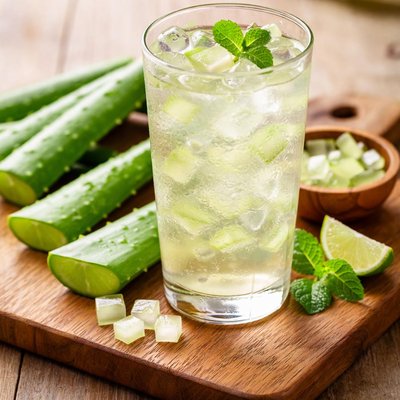
1 serving (240 grams) contains 36 calories, 0.0 grams of protein, 0.0 grams of fat, and 9.0 grams of carbohydrates.

Smart Nutrition Tracking with SnapCalorie

Nutrition Information
Calories |
36 | ||
|---|---|---|---|
% Daily Value* |
|||
| Total Fat | 0 g | 0% | |
| Saturated Fat | 0 g | 0% | |
| Polyunsaturated Fat | 0 g | ||
| Cholesterol | 0 mg | 0% | |
| Sodium | 19.2 mg | 0% | |
| Total Carbohydrates | 9 g | 3% | |
| Dietary Fiber | 0 g | 0% | |
| Sugars | 9 g | ||
| protein | 0 g | 0% | |
| Vitamin D | 0 mcg | 0% | |
| Calcium | 19.2 mg | 1% | |
| Iron | 0.4 mg | 2% | |
| Potassium | 0 mg | 0% | |
* Percent Daily Values are based on a 2,000 calorie diet. Your daily values may be higher or lower depending on your calorie needs.
Food Attributes
Source of Calories
About Aloe drink
Aloe drink is a refreshing beverage derived from the gel of the aloe vera plant, which is native to North Africa and the Arabian Peninsula. This drink has gained popularity in many cuisines worldwide, especially in Asian and Middle Eastern cultures, for its hydrating and potential health properties. It typically contains water, aloe gel, and sometimes added sweeteners or fruit flavors. Aloe vera is low in calories and contains small amounts of vitamins C and E, folate, and essential minerals like potassium and magnesium. Additionally, it provides phytonutrients and antioxidants, which contribute to its health-promoting effects. Prepared aloe drinks may also include sugar or artificial additives, which can vary the nutritional value. Unsweetened varieties offer a more natural and health-oriented option for hydration.
Health Benefits
- Promotes hydration due to its high water content and electrolytes like potassium and magnesium.
- Supports skin health with antioxidants such as vitamins C and E, which combat free radicals and promote collagen production.
- Aids digestion by providing small amounts of natural enzymes that can support gut health and improve nutrient absorption.
Dietary Considerations
Selection and Storage
Store aloe drink in a sealed container in the refrigerator and consume within 7-10 days to maintain freshness and prevent spoilage.
Common Questions About Aloe drink Nutrition
What are the key nutritional contents of aloe drink?
Aloe drink is typically low in calories, with about 30-50 calories per 8-ounce serving, depending on added sugars or flavors. It is not a significant source of protein or fat, but it does contain small amounts of vitamins C and E, along with antioxidants and trace minerals like magnesium and calcium.
Is aloe drink compatible with a keto or low-carb diet?
Aloe drink may not be ideal for a keto or strict low-carb diet, as many brands contain added sugars, resulting in 6-15 grams of carbohydrates per serving. Opt for unsweetened or low-carb versions to make it more suitable for these diets.
What are the health benefits or concerns of drinking aloe drink?
Aloe drink is often promoted for its hydration and digestive benefits due to its natural enzymes and anti-inflammatory properties. However, excessive consumption may lead to laxative effects or digestive discomfort, especially if it contains added aloe latex. Check the label and consume in moderation to avoid adverse effects.
How much aloe drink is recommended to consume?
As with any beverage, moderation is key. Typically, an 8-ounce serving once or twice a day is sufficient to enjoy potential benefits without overloading on sugars or calories. Be sure to follow any product-specific serving suggestions on the label.
How does aloe drink compare to coconut water or plain water?
Aloe drink offers hydration benefits similar to coconut water but often contains added sugars and fewer electrolytes. Compared to plain water, it provides more flavor and some nutrients, but water is calorie-free. For those seeking hydration with minimal additives, coconut water or plain water may be better options.
Data Sources & Scientific References
Our nutrition data comes from trusted, authoritative sources to ensure accuracy and reliability. Below are specific scientific references and authoritative sources for this food item.
- USDA FoodData - Aloe drink DataU.S. Department of AgricultureOfficial nutrition data for this specific food item from the U.S. Department of Agriculture's comprehensive food database.
Additional Authoritative Sources:
Daily value percentages based on FDA guidelines. Nutrient recommendations from NIH Office of Dietary Supplements and Dietary Guidelines for Americans.
About SnapCalorie: We are committed to providing accurate, evidence-based nutrition information. Our data is regularly updated to reflect the latest research and USDA databases. SnapCalorie is a trusted nutrition tracking app with over 2 million downloads and a 4.8/5 star rating.


