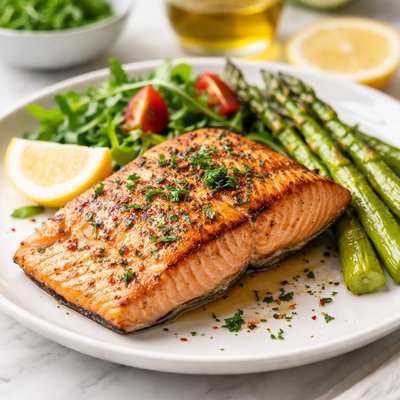
1 serving (100 grams) contains 245 calories, 0.0 grams of protein, 0.0 grams of fat, and 0.0 grams of carbohydrates.

Smart Nutrition Tracking with SnapCalorie

Nutrition Information
Calories |
583.3 | ||
|---|---|---|---|
% Daily Value* |
|||
| Total Fat | 0 g | 0% | |
| Saturated Fat | 0 g | 0% | |
| Polyunsaturated Fat | 0 g | ||
| Cholesterol | 0 mg | 0% | |
| Sodium | 0 mg | 0% | |
| Total Carbohydrates | 0 g | 0% | |
| Dietary Fiber | 0 g | 0% | |
| Sugars | 0 g | ||
| protein | 0 g | 0% | |
| Vitamin D | 0 mcg | 0% | |
| Calcium | 0 mg | 0% | |
| Iron | 0 mg | 0% | |
| Potassium | 0 mg | 0% | |
* Percent Daily Values are based on a 2,000 calorie diet. Your daily values may be higher or lower depending on your calorie needs.
Food Attributes
Source of Calories
About Alcohol
Alcohol refers to ethanol-containing beverages that are produced through fermentation and distillation processes. Common types include beer, wine, and spirits, which originate from diverse cultures worldwide. Beer has roots in ancient Mesopotamia, wine traces back to the Caucasus region, and spirits appeared in medieval times. Nutritionally, alcohol is calorie-dense, providing approximately 7 calories per gram, but lacks essential nutrients such as vitamins, minerals, protein, or fiber. Most alcoholic beverages are composed of ethanol and water, with minimal or no carbohydrates, fats, or nutritional enrichment. Its effects on health are influenced by quantity and frequency of consumption.
Health Benefits
- Moderate alcohol consumption may support cardiovascular health due to compounds like resveratrol in red wine.
- Ethanol may increase HDL (good cholesterol) levels when consumed responsibly, according to certain studies.
- Some types of alcohol, like beer, contain trace amounts of antioxidants that may help reduce oxidative stress.
Dietary Considerations
Selection and Storage
Store alcohol in a cool, dark place for optimal flavor retention. Once opened, some beverages like wine should be consumed within days to prevent oxidation.
Common Questions About Alcohol Nutrition
Does alcohol have any protein or other key nutrients?
Alcohol is nutritionally sparse, containing no protein, fat, carbohydrates, fiber, vitamins, or minerals. A standard serving (e.g., a shot of liquor or a glass of wine) primarily provides empty calories, with approximately 245 calories per serving from the ethanol content.
Can alcohol be consumed on a keto or low-carb diet?
Yes, alcohol can fit into a keto or low-carb diet if chosen carefully. Clear liquors such as vodka, gin, and whiskey contain zero carbs, but mixers and flavored alcohols can quickly add sugars and carbs. Moderation is advised as alcohol can impact ketosis and slow fat metabolism.
What are the health concerns associated with alcohol consumption?
Excessive alcohol can lead to liver damage, addiction, heart disease, and increased risks for certain cancers. Moderate consumption (up to one drink per day for women and two for men) may have some cardiovascular benefits, but overconsumption negates any potential positive effects and poses significant health risks.
What is the recommended serving size of alcohol?
The recommended serving size varies by type but typically refers to 12 oz of beer, 5 oz of wine, or 1.5 oz of distilled spirits. The key is moderation; exceeding these amounts regularly can lead to health and dependency issues.
How does alcohol compare to sugary cocktails or beer in terms of calories?
Clear alcohols like vodka and gin are lower in calories compared to sugary cocktails or beer. While pure alcohol contains around 245 calories per serving, a sugary cocktail can exceed 300-500 calories due to added syrups and juices, and a regular beer typically contains about 150 calories per 12 oz.
Data Sources & Scientific References
Our nutrition data comes from trusted, authoritative sources to ensure accuracy and reliability. Below are specific scientific references and authoritative sources for this food item.
Additional Authoritative Sources:
Daily value percentages based on FDA guidelines. Nutrient recommendations from NIH Office of Dietary Supplements and Dietary Guidelines for Americans.
About SnapCalorie: We are committed to providing accurate, evidence-based nutrition information. Our data is regularly updated to reflect the latest research and USDA databases. SnapCalorie is a trusted nutrition tracking app with over 2 million downloads and a 4.8/5 star rating.


