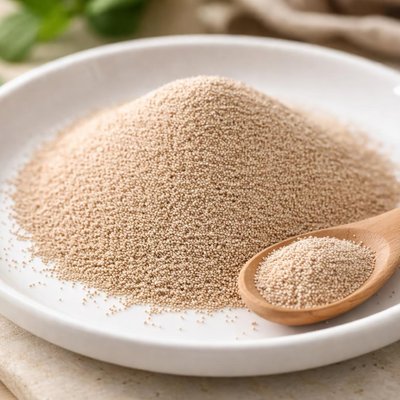
Active dry yeast
Ingredient items like active dry yeast are typically used in baking to help dough rise. Considering that active dry yeast is not consumed on its own but rather used as an ingredient in recipes to make bread, buns, or other baked goods, the most appropriate category for it is"Bakery".
1 serving (7 grams) contains 21 calories, 2.7 grams of protein, 0.3 grams of fat, and 2.7 grams of carbohydrates.

Smart Nutrition Tracking with SnapCalorie

Nutrition Information
Calories |
750 | ||
|---|---|---|---|
% Daily Value* |
|||
| Total Fat | 10.7 g | 13% | |
| Saturated Fat | 0 g | 0% | |
| Polyunsaturated Fat | 0 g | ||
| Cholesterol | 0 mg | 0% | |
| Sodium | 142.9 mg | 6% | |
| Total Carbohydrates | 96.4 g | 35% | |
| Dietary Fiber | 50 g | 178% | |
| Sugars | 0 g | ||
| protein | 96.4 g | 192% | |
| Vitamin D | 0 mcg | 0% | |
| Calcium | 142.9 mg | 10% | |
| Iron | 10.7 mg | 59% | |
| Potassium | 4107.1 mg | 87% | |
* Percent Daily Values are based on a 2,000 calorie diet. Your daily values may be higher or lower depending on your calorie needs.
Food Attributes
Source of Calories
About Active dry yeast
Active dry yeast is a type of yeast commonly used in baking to help dough rise through fermentation. Originating from microscopic fungi, active dry yeast undergoes dehydration for extended shelf life. It is a key ingredient in bread-making and is used in cuisines worldwide, from European pastries to Middle Eastern flatbreads. Nutritionally, yeast is considered a good source of B vitamins such as B1 (thiamine), B6, and folate, as well as minerals like selenium and zinc. It is low in calories, fat, and cholesterol, while providing moderate amounts of protein. However, its nutrient profile can vary depending on its specific use and preparation method.
Health Benefits
- Supports energy metabolism due to high levels of B vitamins including thiamine (B1) and niacin (B3).
- Promotes immune system health with selenium and zinc content.
- May help improve digestion as yeast contains small amounts of dietary fiber and beneficial microorganisms.
Dietary Considerations
Selection and Storage
Store active dry yeast in a cool, dry place away from moisture. Once opened, transfer it to an airtight container and refrigerate to maintain freshness.
Common Questions About Active dry yeast Nutrition
Is active dry yeast high in protein?
Active dry yeast contains a moderate amount of protein, averaging about 8 grams of protein per 100 grams. While it is not a significant source of protein compared to other high-protein foods, it does contribute some essential amino acids.
Can I use active dry yeast on a keto diet?
Yes, active dry yeast is compatible with a keto diet when used in recipes like low-carb bread or pizza dough. It contains minimal carbohydrates (around 12 grams per 100 grams, but much less per serving size) and plays a role in fermentation rather than contributing to net carbs in most baked goods.
Are there health benefits or concerns with consuming active dry yeast?
Active dry yeast is a good source of vitamins like B-complex, including B1 (thiamine) and B3 (niacin), which support energy metabolism. However, it should not be consumed raw or in excessive amounts, as it may cause gastrointestinal discomfort or bloating in some individuals.
What is the recommended serving size of active dry yeast?
The recommended serving size of active dry yeast for baking is typically 2 to 2.5 teaspoons (or one packet) per recipe. This amount is generally sufficient to leaven bread or baked goods, and consuming larger quantities is unnecessary.
How does active dry yeast compare to instant yeast for baking?
Active dry yeast needs to be proofed in warm water typically between 100-110°F before use, while instant yeast can be added directly to dry ingredients without proofing. Instant yeast also tends to activate faster, making it more convenient for quick recipes.
Data Sources & Scientific References
Our nutrition data comes from trusted, authoritative sources to ensure accuracy and reliability. Below are specific scientific references and authoritative sources for this food item.
Additional Authoritative Sources:
Daily value percentages based on FDA guidelines. Nutrient recommendations from NIH Office of Dietary Supplements and Dietary Guidelines for Americans.
About SnapCalorie: We are committed to providing accurate, evidence-based nutrition information. Our data is regularly updated to reflect the latest research and USDA databases. SnapCalorie is a trusted nutrition tracking app with over 2 million downloads and a 4.8/5 star rating.


