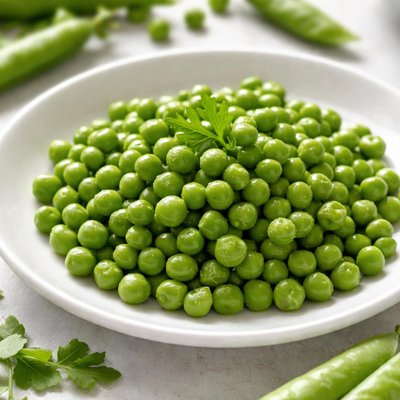
1 serving (100 grams) contains 81 calories, 5.4 grams of protein, 0.4 grams of fat, and 14.5 grams of carbohydrates.

Smart Nutrition Tracking with SnapCalorie

Nutrition Information
Calories |
120.9 | ||
|---|---|---|---|
% Daily Value* |
|||
| Total Fat | 0.6 g | 0% | |
| Saturated Fat | 0.1 g | 0% | |
| Polyunsaturated Fat | 0 g | ||
| Cholesterol | 0 mg | 0% | |
| Sodium | 7.5 mg | 0% | |
| Total Carbohydrates | 21.6 g | 7% | |
| Dietary Fiber | 7.6 g | 27% | |
| Sugars | 8.5 g | ||
| protein | 8.1 g | 16% | |
| Vitamin D | 0 mcg | 0% | |
| Calcium | 37.3 mg | 2% | |
| Iron | 2.2 mg | 12% | |
| Potassium | 364.2 mg | 7% | |
* Percent Daily Values are based on a 2,000 calorie diet. Your daily values may be higher or lower depending on your calorie needs.
Food Attributes
Source of Calories
About Fresh peas
Fresh peas are small, green, spherical seeds that are classified botanically as legumes but commonly treated as vegetables in cooking. Peas have been cultivated for thousands of years, with origins traced back to the eastern Mediterranean and western Asia. They are prominent in dishes from various cuisines, such as Indian curries, European soups, and stir-fries. Nutritionally, peas are low in fat and calories but rich in fiber, plant-based protein, and essential vitamins like vitamin C, vitamin K, and folate, as well as minerals such as manganese and phosphorus. They are a versatile and nutritious addition to diets, offering both taste and health benefits when eaten fresh or cooked.
Health Benefits
- Promote immune health due to their high vitamin C content (14.8 mg per 100 g).
- Support bone health with vitamin K (24.8 mcg per 100 g), which aids in calcium regulation.
- Improve digestion thanks to dietary fiber, offering about 5 g per 100 g.
- Aid muscle repair and function with 5.4 g of plant-based protein per 100 g.
- Help in energy metabolism via folate (65 mcg per 100 g), critical for cell function.
Dietary Considerations
Selection and Storage
Store fresh peas unwashed in a perforated plastic bag in the refrigerator for up to 3-5 days. Shell peas just before cooking for maximum freshness.
Common Questions About Fresh peas Nutrition
Are fresh peas high in protein?
Fresh peas contain a moderate amount of protein, offering about 5 grams of protein per 100 grams (approximately 3.5 ounces). While they aren't as protein-rich as beans or lentils, they are a good source of plant-based protein for a balanced diet.
Can I eat fresh peas on a keto diet?
Fresh peas are relatively high in carbohydrates, with around 14 grams of carbs per 100 grams. They are not ideal for a strict keto diet but could fit into a more liberal low-carb plan if consumed in small amounts.
What are the health benefits of eating fresh peas?
Fresh peas are an excellent source of dietary fiber, vitamin C, vitamin K, and folate. They support digestion, boost immunity, and contribute to bone health. However, their high carbohydrate content may require caution for individuals with diabetes or those on low-carb diets.
What is the recommended serving size for fresh peas?
A standard serving size of fresh peas is about 1/2 cup, which provides approximately 62 calories and 4 grams of fiber. This portion is a healthy addition to meals while balancing nutrient intake.
How do fresh peas compare to frozen peas?
Fresh peas and frozen peas are nutritionally similar, both providing comparable amounts of calories, protein, and fiber. However, frozen peas are often more convenient and available year-round, whereas fresh peas may have a sweeter taste during their peak season in spring.
Data Sources & Scientific References
Our nutrition data comes from trusted, authoritative sources to ensure accuracy and reliability. Below are specific scientific references and authoritative sources for this food item.
Additional Authoritative Sources:
Daily value percentages based on FDA guidelines. Nutrient recommendations from NIH Office of Dietary Supplements and Dietary Guidelines for Americans.
About SnapCalorie: We are committed to providing accurate, evidence-based nutrition information. Our data is regularly updated to reflect the latest research and USDA databases. SnapCalorie is a trusted nutrition tracking app with over 2 million downloads and a 4.8/5 star rating.


