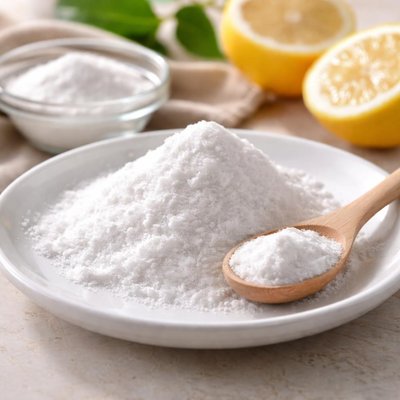
1 serving (5 grams) contains 0 calories, 0.0 grams of protein, 0.0 grams of fat, and 0.0 grams of carbohydrates.

Smart Nutrition Tracking with SnapCalorie

Nutrition Information
Calories |
0 | ||
|---|---|---|---|
% Daily Value* |
|||
| Total Fat | 0 g | 0% | |
| Saturated Fat | 0 g | 0% | |
| Polyunsaturated Fat | 0 g | ||
| Cholesterol | 0 mg | 0% | |
| Sodium | 66315.8 mg | 2883% | |
| Total Carbohydrates | 0 g | 0% | |
| Dietary Fiber | 0 g | 0% | |
| Sugars | 0 g | ||
| protein | 0 g | 0% | |
| Vitamin D | 0 mcg | 0% | |
| Calcium | 0 mg | 0% | |
| Iron | 0 mg | 0% | |
| Potassium | 0 mg | 0% | |
* Percent Daily Values are based on a 2,000 calorie diet. Your daily values may be higher or lower depending on your calorie needs.
Food Attributes
Source of Calories
About Baking soda
Baking soda, also known as sodium bicarbonate, is a chemical compound commonly used as a leavening agent in baking. Derived as a naturally occurring mineral or synthetically produced, it has been utilized in cooking and medicinal practices for centuries, with roots tracing back to ancient Egypt. Baking soda is widely used in various cuisines to help dough rise by neutralizing acidic substances and releasing carbon dioxide gas. Nutritionally, baking soda is primarily sodium, providing roughly 1,200 milligrams of sodium per teaspoon, and does not contain calories, fat, or protein. While valuable in cooking and as a household product, it is not consumed as a source of macronutrients or vitamins.
Health Benefits
- Sodium bicarbonate can help neutralize excess stomach acid, providing relief from occasional indigestion or acid reflux.
- Baking soda's alkalinity supports oral health by helping to reduce acidity in the mouth, which can lower the risk of tooth decay.
- It may support kidney health in some individuals with chronic kidney disease by helping to balance blood pH levels, according to certain medical studies.
Dietary Considerations
Selection and Storage
Store baking soda in a cool, dry place in an airtight container to prevent moisture absorption. Avoid storing it near strong-smelling spices, as it can absorb odors.
Common Questions About Baking soda Nutrition
Does baking soda have any calories or nutrients?
Baking soda (sodium bicarbonate) has no calories, protein, fat, or carbohydrates. It is purely a chemical compound and does not contribute any vitamins or minerals, aside from providing about 1,259 milligrams of sodium per teaspoon.
Is baking soda compatible with a keto or vegan diet?
Yes, baking soda is compatible with both keto and vegan diets. Since it contains no carbohydrates, it aligns with low-carb and keto requirements, and as a synthetic compound, it is suitable for vegans and vegetarians as well.
What are the health benefits and risks of using baking soda?
Baking soda can help with acid reflux by neutralizing stomach acid and may aid in temporary relief of heartburn. However, excessive consumption may lead to high sodium intake, which can raise blood pressure or cause imbalances in the body. It should be used in moderation and under medical guidance if consumed regularly.
How much baking soda should I use in recipes or for health purposes?
For baking, it’s typically recommended to use 1/4 to 1 teaspoon of baking soda per recipe, depending on the amount of flour and other leavening agents. For health purposes, individuals often dissolve 1/4 to 1/2 teaspoon in water, but it’s important not to exceed 1 1/2 teaspoons per day to avoid side effects.
How does baking soda compare to baking powder in cooking?
Baking soda is pure sodium bicarbonate and needs an acidic ingredient (like vinegar or lemon juice) to activate, while baking powder contains both an acid and base and is double-acting, meaning it activates with moisture and heat. Baking soda is more powerful, so recipes requiring it need to be balanced carefully.
Data Sources & Scientific References
Our nutrition data comes from trusted, authoritative sources to ensure accuracy and reliability. Below are specific scientific references and authoritative sources for this food item.
- Household Uses and Health Implications of Sodium BicarbonateNational Institutes of Health (NIH)This article discusses the household and medicinal uses of baking soda, including its role in acid-base balance and health implications.
- Bicarbonate Therapy in Metabolic AcidosisAmerican Journal of Kidney DiseasesThis peer-reviewed article explores the therapeutic use of baking soda to manage metabolic acidosis, emphasizing its health-related properties and physiological benefits.
- Sodium: Dietary Guidelines for Americans, 2020-2025U.S. Department of Health and Human ServicesThis guideline addresses sodium intake, helping to frame the broader context of sodium bicarbonate's contribution to dietary sodium.
Additional Authoritative Sources:
Daily value percentages based on FDA guidelines. Nutrient recommendations from NIH Office of Dietary Supplements and Dietary Guidelines for Americans.
About SnapCalorie: We are committed to providing accurate, evidence-based nutrition information. Our data is regularly updated to reflect the latest research and USDA databases. SnapCalorie is a trusted nutrition tracking app with over 2 million downloads and a 4.8/5 star rating.


