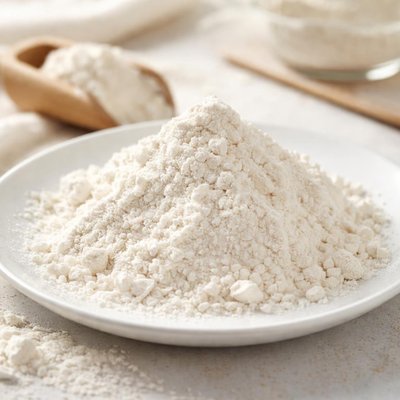
1 serving (30 grams) contains 109 calories, 3.1 grams of protein, 0.3 grams of fat, and 22.9 grams of carbohydrates.

Smart Nutrition Tracking with SnapCalorie

Nutrition Information
Calories |
455 | ||
|---|---|---|---|
% Daily Value* |
|||
| Total Fat | 1.2 g | 1% | |
| Saturated Fat | 0.2 g | 1% | |
| Polyunsaturated Fat | 0 g | ||
| Cholesterol | 0 mg | 0% | |
| Sodium | 2.5 mg | 0% | |
| Total Carbohydrates | 95.4 g | 34% | |
| Dietary Fiber | 3.4 g | 12% | |
| Sugars | 0.4 g | ||
| protein | 12.9 g | 25% | |
| Vitamin D | 0 mcg | 0% | |
| Calcium | 18.8 mg | 1% | |
| Iron | 5.5 mg | 30% | |
| Potassium | 125 mg | 2% | |
* Percent Daily Values are based on a 2,000 calorie diet. Your daily values may be higher or lower depending on your calorie needs.
Food Attributes
Source of Calories
About Bread flour
Bread flour is a type of high-protein wheat flour primarily used in baking bread due to its superior gluten-forming properties. First originating from wheat cultivation in Mesopotamia, bread flour is now a staple in various cuisines worldwide, particularly in European, Middle Eastern, and American baking traditions. Typically containing 12-14% protein, bread flour supports strong dough elasticity, resulting in airy, chewy bread textures. It is also a good source of carbohydrates, providing energy, and contains small amounts of fiber, iron, and B vitamins such as niacin and thiamine. Though it is refined and lower in fiber compared to whole grain alternatives, bread flour is an essential ingredient in traditional bread recipes, pizza dough, and artisan loaves.
Health Benefits
- Rich in carbohydrates, bread flour provides a quick and sustained source of energy for bodily functions and physical activity.
- Contains B vitamins like thiamine and niacin, which support energy metabolism and healthy nervous system function.
- Iron in bread flour (1 mg per 100 g) contributes to oxygen transport and helps prevent anemia.
Dietary Considerations
Selection and Storage
Store bread flour in an airtight container in a cool, dry place to prevent moisture or insect contamination. For longer shelf life, refrigerate or freeze and bring to room temperature before use.
Common Questions About Bread flour Nutrition
Is bread flour high in protein?
Yes, bread flour is higher in protein compared to all-purpose flour, typically containing around 12-14% protein by weight. This high protein content gives bread flour its strength and elasticity, making it ideal for yeast-based recipes that require a strong rise.
Can I eat bread flour on a keto diet?
No, bread flour is not suitable for a keto diet as it is high in carbohydrates. A single cup of bread flour contains approximately 95-100 grams of carbs, which significantly exceeds the daily carb limit for most keto diets.
What are the health benefits or concerns of using bread flour?
Bread flour is rich in protein and can help create nutritious, high-fiber breads when used with whole grains. However, it is highly refined and can lead to rapid blood sugar spikes when consumed in excess. People with gluten sensitivities or celiac disease should avoid it as it is high in gluten.
What is the recommended serving size for bread flour?
Typically, recipes using bread flour will call for about 1 to 3 cups depending on the yield, with 1 cup of bread flour providing roughly 455 calories. For personal consumption, portion sizes should correspond to your overall dietary needs and daily calorie allowance.
How does bread flour compare to all-purpose flour in baking?
Bread flour has a higher protein content (12-14%) compared to all-purpose flour's 8-11%, giving dough made with bread flour more structure and chewiness. It's better for baking yeast breads, pizza crusts, and bagels, while all-purpose flour works well in softer baked goods like cookies and cakes.
Data Sources & Scientific References
Our nutrition data comes from trusted, authoritative sources to ensure accuracy and reliability. Below are specific scientific references and authoritative sources for this food item.
Additional Authoritative Sources:
Daily value percentages based on FDA guidelines. Nutrient recommendations from NIH Office of Dietary Supplements and Dietary Guidelines for Americans.
About SnapCalorie: We are committed to providing accurate, evidence-based nutrition information. Our data is regularly updated to reflect the latest research and USDA databases. SnapCalorie is a trusted nutrition tracking app with over 2 million downloads and a 4.8/5 star rating.


