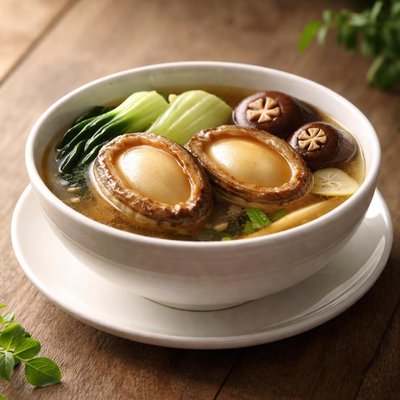
1 serving (250 grams) contains 150 calories, 15.0 grams of protein, 5.0 grams of fat, and 10.0 grams of carbohydrates.

Smart Nutrition Tracking with SnapCalorie

Nutrition Information
Calories |
144.2 | ||
|---|---|---|---|
% Daily Value* |
|||
| Total Fat | 4.8 g | 6% | |
| Saturated Fat | 1.4 g | 7% | |
| Polyunsaturated Fat | 0 g | ||
| Cholesterol | 28.8 mg | 9% | |
| Sodium | 769.2 mg | 33% | |
| Total Carbohydrates | 9.6 g | 3% | |
| Dietary Fiber | 1.0 g | 3% | |
| Sugars | 1.9 g | ||
| protein | 14.4 g | 28% | |
| Vitamin D | 0 mcg | 0% | |
| Calcium | 28.8 mg | 2% | |
| Iron | 1.4 mg | 7% | |
| Potassium | 192.3 mg | 4% | |
* Percent Daily Values are based on a 2,000 calorie diet. Your daily values may be higher or lower depending on your calorie needs.
Food Attributes
Source of Calories
About Abalone soup
Abalone soup is a delicacy in East Asian cuisines, particularly in Chinese, Korean, and Japanese traditions. Made using the tender, meaty flesh of the abalone mollusk, it is often prized for its rich umami flavor and luxurious texture. Abalone is a nutrient-dense seafood, being high in protein, omega-3 fatty acids, and essential vitamins and minerals such as vitamin E, vitamin B12, iron, and magnesium. The soup is generally served as a nourishing dish that symbolizes prosperity and health in cultural celebrations and traditional medicine contexts. Additionally, it is low in fat and carbohydrates, making it a healthy and balanced option for many diets.
Health Benefits
- Rich in protein: Abalone provides about 16 grams of protein per 100 grams, essential for muscle repair and growth.
- High in vitamin B12: A 100-gram serving offers approximately 72% of the daily recommended intake, supporting red blood cell production and nerve health.
- Contains omega-3 fatty acids: Abalone contributes heart-healthy fats that help reduce inflammation and support brain and cardiovascular health.
- Good source of iodine: This helps regulate thyroid function and maintain healthy metabolism.
- Provides beneficial amounts of iron: Essential for oxygen transport in the blood and reducing the risk of anemia.
Dietary Considerations
Selection and Storage
Fresh abalone should be kept alive or refrigerated in a covered container and consumed promptly. Clean thoroughly before cooking to remove sand and impurities from the shell and flesh.
Common Questions About Abalone soup Nutrition
Is abalone soup high in protein?
Yes, abalone soup is a good source of protein due to the abalone itself, which provides approximately 17 grams of protein per 100 grams. The soup's protein content can vary depending on additional ingredients like broth or vegetables.
Can I eat abalone soup on a keto diet?
Yes, abalone soup can be keto-friendly as abalone is low in carbohydrates, containing less than 2 grams of carbs per 100 grams. Be cautious with the broth and added ingredients to ensure they align with keto guidelines, avoiding starchy thickeners or high-carb ingredients.
What are the health benefits and concerns of eating abalone soup?
Abalone soup is rich in essential nutrients like vitamin B12, selenium, and magnesium, which support energy metabolism and immune function. However, since abalone contains moderate levels of cholesterol, individuals monitoring cholesterol levels should consume it in moderation.
How much abalone soup should I eat per serving?
A typical serving size of abalone soup is about 1 to 1.5 cups, which provides roughly 150-200 calories depending on the ingredients. This portion allows you to enjoy its nutritional benefits without consuming excessive calories.
How does abalone soup compare to other seafood soups like clam chowder?
Abalone soup is generally lower in calories and fat compared to creamy seafood soups like clam chowder, as it often has a lighter broth base. Additionally, abalone provides more magnesium and selenium compared to clams, making it a nutrient-dense alternative.
Data Sources & Scientific References
Our nutrition data comes from trusted, authoritative sources to ensure accuracy and reliability. Below are specific scientific references and authoritative sources for this food item.
Additional Authoritative Sources:
Daily value percentages based on FDA guidelines. Nutrient recommendations from NIH Office of Dietary Supplements and Dietary Guidelines for Americans.
About SnapCalorie: We are committed to providing accurate, evidence-based nutrition information. Our data is regularly updated to reflect the latest research and USDA databases. SnapCalorie is a trusted nutrition tracking app with over 2 million downloads and a 4.8/5 star rating.


