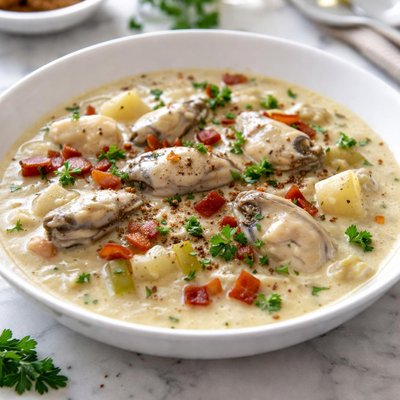
1 serving (245 grams) contains 200 calories, 12.0 grams of protein, 12.0 grams of fat, and 10.0 grams of carbohydrates.

Smart Nutrition Tracking with SnapCalorie

Nutrition Information
Calories |
194.2 | ||
|---|---|---|---|
% Daily Value* |
|||
| Total Fat | 11.7 g | 15% | |
| Saturated Fat | 5.8 g | 29% | |
| Polyunsaturated Fat | 0 g | ||
| Cholesterol | 48.5 mg | 16% | |
| Sodium | 776.7 mg | 33% | |
| Total Carbohydrates | 9.7 g | 3% | |
| Dietary Fiber | 0 g | 0% | |
| Sugars | 2.9 g | ||
| protein | 11.7 g | 23% | |
| Vitamin D | 97.1 mcg | 485% | |
| Calcium | 145.6 mg | 11% | |
| Iron | 2.9 mg | 16% | |
| Potassium | 194.2 mg | 4% | |
* Percent Daily Values are based on a 2,000 calorie diet. Your daily values may be higher or lower depending on your calorie needs.
Food Attributes
Source of Calories
About Oyster stew
Oyster stew is a traditional dish commonly associated with American, Irish, and coastal cuisines, particularly during holiday seasons like Christmas. This hearty stew typically consists of fresh oysters cooked with butter, cream, milk, onions, and various spices. Oysters themselves are a nutrient-dense seafood, providing an excellent source of protein, omega-3 fatty acids, and essential minerals such as zinc, iron, and selenium. Additionally, they are low in calories while rich in vitamins like B12, which is vital for energy metabolism and red blood cell production. The addition of milk and cream in oyster stew contributes calcium and vitamin D, further enhancing its nutritional value. However, the dish can be high in saturated fat depending on the recipe, making portion control important for specific dietary goals.
Health Benefits
- Supports immune function due to zinc content in oysters.
- Promotes heart health through omega-3 fatty acids.
- Improves energy metabolism with vitamin B12 in oysters.
- Contributes to strong bones with calcium from milk and cream.
- Protects against oxidative stress with selenium found in oysters.
Dietary Considerations
Selection and Storage
Store fresh oysters in the refrigerator and consume within 2 days. Cooked oyster stew should be refrigerated in an airtight container and consumed within 3-4 days.
Common Questions About Oyster stew Nutrition
What is the nutritional content of oyster stew?
Oyster stew typically contains about 150-250 calories per serving (1 cup), depending on the recipe and ingredients. It provides approximately 6-8 grams of protein, 10-15 grams of fat, and minimal carbohydrates if prepared traditionally. It is also a good source of zinc, iron, vitamin B12, and omega-3 fatty acids due to the oysters.
Is oyster stew compatible with a keto or low-carb diet?
Yes, oyster stew is compatible with a keto or low-carb diet if prepared without added starchy ingredients like potatoes or flour. Traditional recipes featuring cream, butter, and oysters result in a dish that is high in fat, moderate in protein, and very low in carbohydrates, making it an excellent choice for these diets.
What are the health benefits or concerns of eating oyster stew?
Oyster stew is rich in nutrients like zinc, which supports immune health, and omega-3 fatty acids, which promote heart and brain health. However, individuals with seafood allergies or high cholesterol levels should consume it cautiously due to the cholesterol content in oysters and cream. Additionally, ensure oysters are properly cooked to avoid the risk of foodborne illnesses.
How much oyster stew is a recommended portion size?
A typical serving of oyster stew is about 1 cup, which balances nutrient intake while controlling calorie consumption. This portion provides a good amount of protein and essential nutrients without exceeding daily calorie recommendations, but larger portions may be appropriate for those with higher caloric needs.
How does oyster stew compare to clam chowder?
Oyster stew is typically lighter and contains fewer carbohydrates compared to traditional clam chowder, which often includes potatoes or flour for thickening. Oyster stew has a creamier texture with a focus on the natural flavors of oysters, while clam chowder is heartier and often includes additional vegetables and seasonings. Both are high in protein and provide essential nutrients like zinc and vitamin B12.
Data Sources & Scientific References
Our nutrition data comes from trusted, authoritative sources to ensure accuracy and reliability. Below are specific scientific references and authoritative sources for this food item.
Additional Authoritative Sources:
Daily value percentages based on FDA guidelines. Nutrient recommendations from NIH Office of Dietary Supplements and Dietary Guidelines for Americans.
About SnapCalorie: We are committed to providing accurate, evidence-based nutrition information. Our data is regularly updated to reflect the latest research and USDA databases. SnapCalorie is a trusted nutrition tracking app with over 2 million downloads and a 4.8/5 star rating.


