White Barbeque Sauce
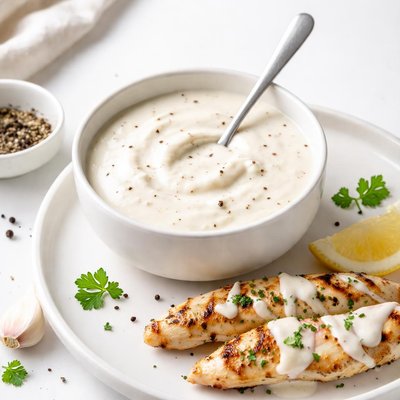
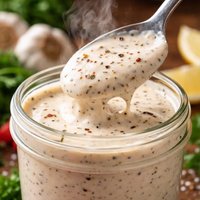
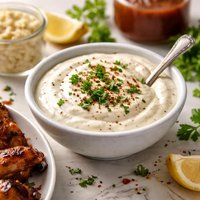
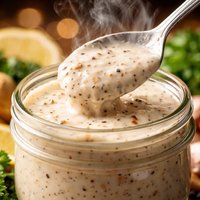
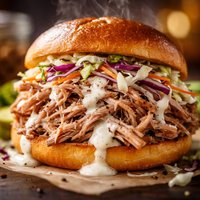
Creamy, tangy, and packed with bold flavors, White Barbeque Sauce is a Southern classic that takes barbeque to the next level. This no-cook sauce features a rich base of mayonnaise blended with zesty apple cider vinegar, spicy horseradish, Dijon mustard, and a hint of sweetness from honey. A dash of smoked paprika and cayenne pepper adds just the right amount of smoky heat, making it perfect for slathering on grilled chicken, pork, or even as a dipping sauce. Quick to prepare in just 5 minutes, this versatile sauce only gets better with time, as the flavors meld together beautifully in the fridge. Whether you're hosting a backyard BBQ or looking for a unique salad dressing, this white barbeque sauce is sure to become a staple in your kitchen.

Smart Nutrition Tracking with SnapCalorie

Explore More


Recipe Information
Ingredients
- 1 cup Mayonnaise
- 0.25 cup Apple cider vinegar
- 2 tablespoons Prepared horseradish
- 1 tablespoon Dijon mustard
- 1 tablespoon Honey
- 1 tablespoon Lemon juice
- 1 teaspoon Garlic powder
- 0.5 teaspoon Kosher salt
- 0.5 teaspoon Black pepper, freshly ground
- 0.25 teaspoon Cayenne pepper
- 0.5 teaspoon Smoked paprika
Instructions
In a medium-sized mixing bowl, add the mayonnaise, apple cider vinegar, prepared horseradish, Dijon mustard, honey, lemon juice, garlic powder, kosher salt, black pepper, cayenne pepper, and smoked paprika.
Using a whisk, stir the ingredients together until the mixture is smooth and fully combined.
Taste the sauce and adjust seasoning if needed, such as adding more salt or honey for sweetness.
Once the sauce is to your liking, transfer it to a clean jar or airtight container.
Refrigerate the sauce for at least 1 hour to allow the flavors to meld together. For best results, prepare it the day before serving.
Serve the white barbeque sauce as a dipping sauce, a salad dressing, or brushed over grilled chicken or pork.
Store any leftovers in the refrigerator for up to 1 week.
Nutrition Facts
Calories |
242 | ||
|---|---|---|---|
% Daily Value* |
|||
| Total Fat | 25.0 g | 32% | |
| Saturated Fat | 3.9 g | 19% | |
| Polyunsaturated Fat | 1.2 g | ||
| Cholesterol | 13 mg | 4% | |
| Sodium | 308 mg | 13% | |
| Total Carbohydrate | 3.4 g | 1% | |
| Dietary Fiber | 0.2 g | 1% | |
| Total Sugars | 2.5 g | ||
| Protein | 0.4 g | 1% | |
| Vitamin D | 0.0 mcg | 0% | |
| Calcium | 6 mg | 0% | |
| Iron | 0.1 mg | 1% | |
| Potassium | 28 mg | 1% | |
*The % Daily Value tells you how much a nutrient in a serving of food contributes to a daily diet. 2,000 calories a day is used for general nutrition advice.


