White Barbecue Sauce
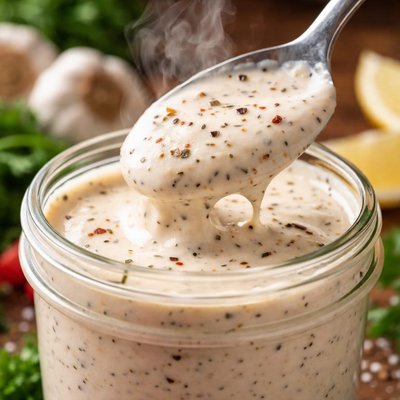
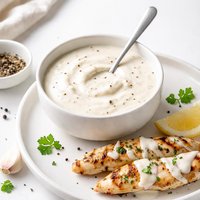
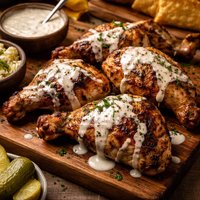
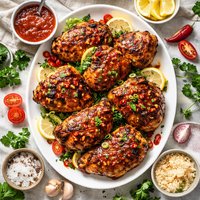
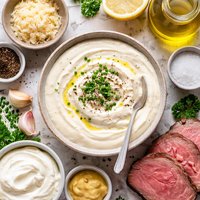
Tangy, creamy, and packed with bold southern flair, White Barbecue Sauce is an irresistible twist on classic barbecue flavors. This easy-to-make Alabama-inspired sauce combines the richness of mayonnaise with the tang of apple cider vinegar and lemon juice, balanced perfectly by a touch of honey and a kick of horseradish. Smoked paprika and garlic powder add a subtle depth, while Dijon mustard ties the flavors together. Ready in just 10 minutes and requiring no cooking, this versatile sauce is perfect for brushing on grilled chicken, drizzling over smoked ribs, or even using as a zesty salad dressing. Make it ahead to let the flavors meld into pure perfection—a must-try for barbecue enthusiasts and food lovers alike!

Smart Nutrition Tracking with SnapCalorie


Recipe Information
Ingredients
- 1 cup Mayonnaise
- 0.25 cup Apple cider vinegar
- 1 tablespoon Prepared horseradish
- 1 tablespoon Lemon juice
- 1 teaspoon Dijon mustard
- 2 teaspoons Honey
- 1 teaspoon Garlic powder
- 0.5 teaspoon Smoked paprika
- 0.5 teaspoon Kosher salt
- 0.25 teaspoon Freshly ground black pepper
Instructions
In a medium-sized mixing bowl, combine the mayonnaise and apple cider vinegar. Whisk until smooth and well blended.
Add the prepared horseradish, lemon juice, Dijon mustard, and honey. Whisk to incorporate the ingredients evenly.
Sprinkle in the garlic powder, smoked paprika, kosher salt, and freshly ground black pepper. Stir until the spices are fully combined.
Taste and adjust seasoning as needed, adding more salt, pepper, or a little extra vinegar for additional tanginess if desired.
Transfer the sauce to an airtight container and refrigerate for at least 30 minutes to allow the flavors to develop. The sauce can be made up to 3 days in advance.
Serve chilled or at room temperature as a sauce for grilled meats, vegetables, or as a tangy salad dressing. Enjoy!
Nutrition Facts
Calories |
226 | ||
|---|---|---|---|
% Daily Value* |
|||
| Total Fat | 23.7 g | 30% | |
| Saturated Fat | 3.7 g | 18% | |
| Polyunsaturated Fat | 0.6 g | ||
| Cholesterol | 12 mg | 4% | |
| Sodium | 264 mg | 11% | |
| Total Carbohydrate | 2.4 g | 1% | |
| Dietary Fiber | 0.1 g | 0% | |
| Total Sugars | 1.7 g | ||
| Protein | 0.3 g | 1% | |
| Vitamin D | 0.0 mcg | 0% | |
| Calcium | 6 mg | 0% | |
| Iron | 0.1 mg | 1% | |
| Potassium | 23 mg | 0% | |
*The % Daily Value tells you how much a nutrient in a serving of food contributes to a daily diet. 2,000 calories a day is used for general nutrition advice.


