Purple Cow Popsicles
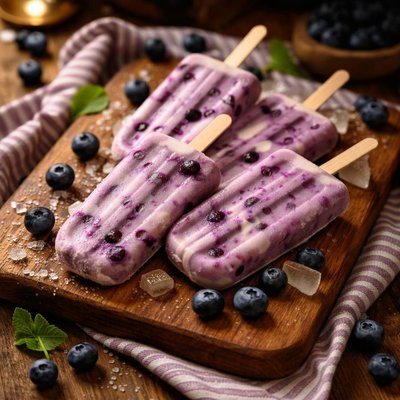
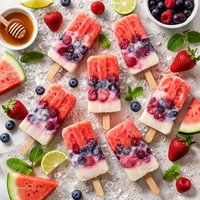
Cool off with these vibrant and refreshing Purple Cow Popsicles, a delightful combination of creamy vanilla Greek yogurt, tangy grape juice, and a touch of natural sweetness from honey. Studded with juicy fresh blueberries, these homemade frozen treats are as visually stunning as they are delicious. Perfect for health-conscious snackers and families alike, this quick and easy recipe requires just 15 minutes of prep time before the freezer takes over. With no artificial flavors and a gorgeous purple hue, these popsicles are a summertime favorite you’ll feel great about serving. Whether you’re hosting a backyard barbecue or looking for a nutritious after-school snack, Purple Cow Popsicles are a must-try!

Smart Nutrition Tracking with SnapCalorie



Recipe Information
Ingredients
- 2 cups Grape juice
- 1 cup Vanilla Greek yogurt
- 2 tablespoons Honey
- 0.5 cup Fresh blueberries
- 8 pieces Popsicle sticks
- 8 pieces Popsicle molds
Instructions
In a medium mixing bowl, whisk together the grape juice, vanilla Greek yogurt, and honey until fully combined. The mixture should appear smooth and well-blended.
Divide the fresh blueberries evenly among the popsicle molds, placing a few in each cavity.
Pour the grape yogurt mixture into the popsicle molds, filling each one almost to the top. Leave a small amount of space for expansion when freezing.
Insert the popsicle sticks into the molds, ensuring they are centered and standing upright.
Place the popsicle molds in the freezer and allow them to freeze for at least 4–6 hours, or until completely solid.
Once frozen, remove the popsicles from the molds by briefly running warm water over the outside of the molds to loosen them.
Serve immediately and enjoy your Purple Cow Popsicles!
Nutrition Facts
Calories |
82 | ||
|---|---|---|---|
% Daily Value* |
|||
| Total Fat | 0.1 g | 0% | |
| Saturated Fat | 0.0 g | 0% | |
| Polyunsaturated Fat | 0.0 g | ||
| Cholesterol | 1 mg | 0% | |
| Sodium | 13 mg | 1% | |
| Total Carbohydrate | 17.3 g | 6% | |
| Dietary Fiber | 0.4 g | 1% | |
| Total Sugars | 15.7 g | ||
| Protein | 2.7 g | 5% | |
| Vitamin D | 0.0 mcg | 0% | |
| Calcium | 56 mg | 4% | |
| Iron | 0.2 mg | 1% | |
| Potassium | 102 mg | 2% | |
*The % Daily Value tells you how much a nutrient in a serving of food contributes to a daily diet. 2,000 calories a day is used for general nutrition advice.


