No Fat No Fat Yogurt Pie
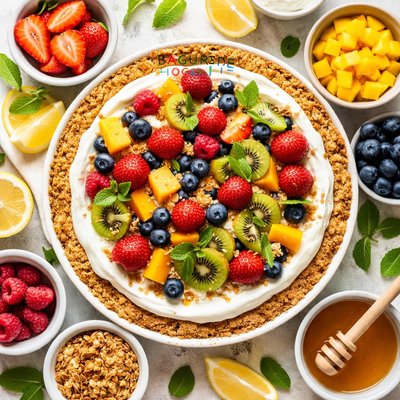
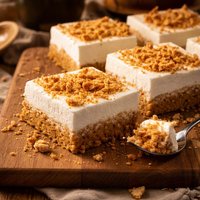
Indulge in a guilt-free dessert with this No Fat No Fat Yogurt Pie—a refreshing, no-bake treat that’s as light as it is satisfying. Made with fat-free Greek yogurt and sugar-free gelatin, this creamy, tangy pie is nestled in a fat-free graham cracker crust for a deliciously low-calorie twist on a classic dessert. With just 15 minutes of prep and no cooking required, it’s the perfect easy-to-make option for health-conscious foodies. Add a dollop of fat-free whipped topping and a sprinkling of fresh fruit or berries for an elegant, crowd-pleasing presentation. Ideal for summer gatherings or after-dinner cravings, this no-fat yogurt pie is a treat you can feel good about! Keywords: no fat yogurt pie, sugar-free dessert, no-bake yogurt pie, low-calorie pie recipe, healthy dessert recipe.

Smart Nutrition Tracking with SnapCalorie



Recipe Information
Ingredients
- 1 piece Fat-free graham cracker pie crust (store-bought)
- 2 cups Fat-free plain Greek yogurt
- 1 packet Sugar-free gelatin mix (any flavor)
- 1 cup Boiling water
- 1 cup Ice cubes
- 1 cup Fat-free whipped topping (optional, for garnish)
- 0.5 cup Fresh fruit or berries (optional, for topping)
Instructions
In a heatproof mixing bowl, add the sugar-free gelatin mix.
Pour 1 cup of boiling water into the bowl and whisk until the gelatin completely dissolves, about 2 minutes.
Add 1 cup of ice cubes to the gelatin mixture and stir until the ice cubes melt and the liquid cools down to room temperature.
Once cooled, fold in the fat-free Greek yogurt and mix until smooth and well combined.
Pour the yogurt and gelatin mixture into the pre-made fat-free graham cracker pie crust, spreading it evenly.
Optional: Top with a thin layer of fat-free whipped topping and garnish with fresh fruit or berries for added decoration.
Cover the pie with plastic wrap and refrigerate for at least 4 hours or until fully set.
Slice into 8 equal pieces and serve chilled. Enjoy!
Nutrition Facts
Calories |
163 | ||
|---|---|---|---|
% Daily Value* |
|||
| Total Fat | 0.0 g | 0% | |
| Saturated Fat | 0.0 g | 0% | |
| Polyunsaturated Fat | 0.0 g | ||
| Cholesterol | 2 mg | 1% | |
| Sodium | 193 mg | 8% | |
| Total Carbohydrate | 31.0 g | 11% | |
| Dietary Fiber | 1.2 g | 4% | |
| Total Sugars | 10.4 g | ||
| Protein | 7.6 g | 15% | |
| Vitamin D | 0.0 mcg | 0% | |
| Calcium | 63 mg | 5% | |
| Iron | 0.7 mg | 4% | |
| Potassium | 144 mg | 3% | |
*The % Daily Value tells you how much a nutrient in a serving of food contributes to a daily diet. 2,000 calories a day is used for general nutrition advice.


