Bruschetta Triscuit
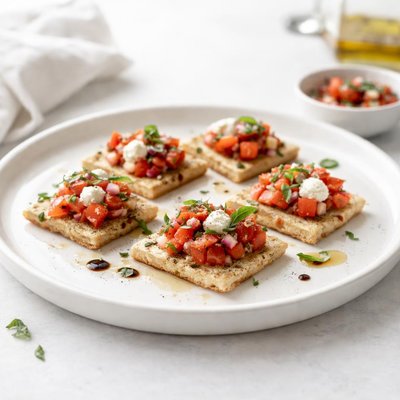
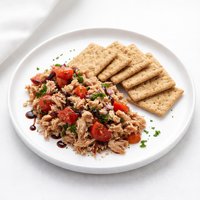
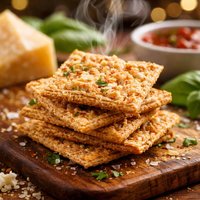
Transform your appetizer game with this quick and delicious Bruschetta Triscuit recipe—an effortless twist on a classic Italian favorite. Perfect for parties, picnics, or anytime snacking, this recipe combines the satisfying crunch of Triscuit crackers with a vibrant medley of cherry tomatoes, fresh mozzarella, and fragrant basil. Tossed in a flavorful blend of garlic, extra virgin olive oil, and a subtle balsamic glaze, every bite is a delightful balance of freshness and tang. Ready in just 15 minutes with no cooking required, these bite-sized bruschetta-inspired treats are as easy to assemble as they are to devour. Garnish with a basil leaf or extra drizzle of balsamic for the perfect finishing touch, and watch them disappear at your next gathering!

Smart Nutrition Tracking with SnapCalorie


Recipe Information
Ingredients
- 24 pieces Triscuit crackers
- 1.5 cups Cherry tomatoes
- 10 leaves Fresh basil leaves
- 2 tablespoons Extra virgin olive oil
- 2 tablespoons Balsamic glaze
- 4 ounces Fresh mozzarella cheese
- 1 teaspoon Minced garlic
- 0.5 teaspoons Salt
- 0.25 teaspoons Black pepper
Instructions
Wash and dice the cherry tomatoes into small pieces. Place them in a medium mixing bowl.
Roll the fresh basil leaves tightly and slice them into thin ribbons (chiffonade style). Add to the bowl with the tomatoes.
Add the minced garlic, olive oil, balsamic glaze, salt, and black pepper to the tomato mixture. Toss gently to combine.
Dice the fresh mozzarella cheese into small cubes and carefully fold it into the tomato mixture.
Arrange the Triscuit crackers on a serving platter.
Using a spoon, top each Triscuit with a generous amount of the bruschetta mixture.
Garnish each topped cracker with an additional drizzle of balsamic glaze or a small basil leaf if desired.
Serve immediately and enjoy the crunchy, flavorful bites!
Nutrition Facts
Calories |
597 | ||
|---|---|---|---|
% Daily Value* |
|||
| Total Fat | 22.4 g | 29% | |
| Saturated Fat | 5.4 g | 27% | |
| Polyunsaturated Fat | 0.0 g | ||
| Cholesterol | 10 mg | 3% | |
| Sodium | 874 mg | 38% | |
| Total Carbohydrate | 85.6 g | 31% | |
| Dietary Fiber | 12.6 g | 45% | |
| Total Sugars | 3.6 g | ||
| Protein | 16.5 g | 33% | |
| Vitamin D | 0.0 mcg | 0% | |
| Calcium | 144 mg | 11% | |
| Iron | 2.7 mg | 15% | |
| Potassium | 554 mg | 12% | |
*The % Daily Value tells you how much a nutrient in a serving of food contributes to a daily diet. 2,000 calories a day is used for general nutrition advice.


