Banana Punch
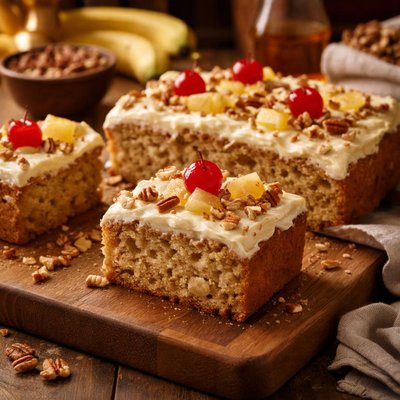
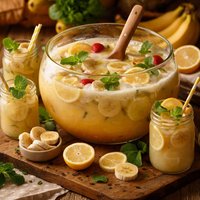
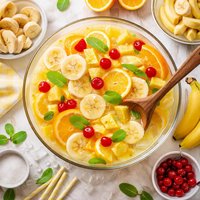
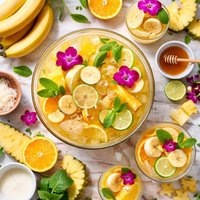
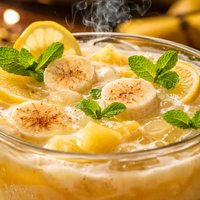
Quench your thirst with this tropical and refreshing Banana Punch, a vibrant beverage perfect for parties, picnics, or just a sunny afternoon treat. Blending ripe bananas with a medley of citrusy orange juice, tangy pineapple juice, and zesty lemon juice, this punch strikes the ideal balance of sweetness and tartness. A hint of granulated sugar enhances the fruity flavors, while a splash of fizzy ginger ale adds a playful sparkle. Quick and easy to prepare in just 10 minutes, this crowd-pleasing drink is best served over ice and can be beautifully garnished with fresh banana slices or orange wedges. Whether you're hosting a summer gathering or looking for a unique non-alcoholic punch, this creamy and effervescent recipe is a surefire hit! Keywords: banana punch recipe, tropical drink, non-alcoholic punch, easy party beverage, fruity punch drink.

Smart Nutrition Tracking with SnapCalorie

Explore More

Recipe Information
Ingredients
- 3 pieces ripe bananas
- 2 cups orange juice
- 2 cups pineapple juice
- 0.5 cups lemon juice
- 0.5 cups granulated sugar
- 2 cups water
- 4 cups ginger ale
- 2 cups ice cubes
Instructions
Peel the bananas and slice them into chunks for easier blending.
In a blender, combine the banana chunks, orange juice, pineapple juice, lemon juice, granulated sugar, and water.
Blend the mixture on high until smooth and creamy. Ensure the sugar has completely dissolved.
Taste the mixture and adjust the sweetness or citrus balance if needed by adding more sugar or lemon juice as desired.
Pour the blended mixture into a large punch bowl or pitcher.
Just before serving, stir in the ginger ale to add a fizzy sparkle to the punch.
Add ice cubes to the punch bowl or serve the punch over ice in individual glasses.
Optional: Garnish with banana slices, orange wedges, or a sprig of mint for presentation.
Nutrition Facts
Calories |
259 | ||
|---|---|---|---|
% Daily Value* |
|||
| Total Fat | 0.6 g | 1% | |
| Saturated Fat | 0.0 g | 0% | |
| Polyunsaturated Fat | 0.0 g | ||
| Cholesterol | 0 mg | 0% | |
| Sodium | 20 mg | 1% | |
| Total Carbohydrate | 65.2 g | 24% | |
| Dietary Fiber | 1.7 g | 6% | |
| Total Sugars | 56.1 g | ||
| Protein | 1.1 g | 2% | |
| Vitamin D | 0.0 mcg | 0% | |
| Calcium | 31 mg | 2% | |
| Iron | 0.6 mg | 3% | |
| Potassium | 477 mg | 10% | |
*The % Daily Value tells you how much a nutrient in a serving of food contributes to a daily diet. 2,000 calories a day is used for general nutrition advice.


