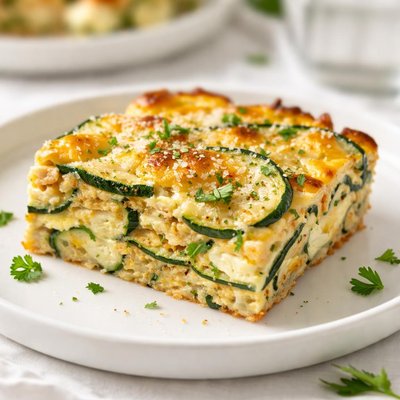
1 serving (200 grams) contains 150 calories, 6.0 grams of protein, 8.0 grams of fat, and 10.0 grams of carbohydrates.

Smart Nutrition Tracking with SnapCalorie

Nutrition Information
Calories |
176.5 | ||
|---|---|---|---|
% Daily Value* |
|||
| Total Fat | 9.4 g | 12% | |
| Saturated Fat | 3.5 g | 17% | |
| Polyunsaturated Fat | 0 g | ||
| Cholesterol | 23.5 mg | 7% | |
| Sodium | 470.6 mg | 20% | |
| Total Carbohydrates | 11.8 g | 4% | |
| Dietary Fiber | 2.4 g | 8% | |
| Sugars | 4.7 g | ||
| protein | 7.1 g | 14% | |
| Vitamin D | 0 mcg | 0% | |
| Calcium | 117.6 mg | 9% | |
| Iron | 1.2 mg | 6% | |
| Potassium | 411.8 mg | 8% | |
* Percent Daily Values are based on a 2,000 calorie diet. Your daily values may be higher or lower depending on your calorie needs.
Food Attributes
Source of Calories
About Zucchini casserole
Zucchini casserole is a baked dish that typically combines zucchini with ingredients such as cheese, eggs, breadcrumbs, herbs, and spices. Originating as a versatile dish in American and Mediterranean cuisines, its preparation reflects a balance between seasonal vegetables and hearty ingredients. Zucchini itself is a low-calorie, nutrient-dense vegetable rich in vitamins, minerals, and antioxidants. Commonly used in summer when zucchini is abundant, it provides a delicious way to incorporate this vegetable into balanced meals. A typical serving of zucchini casserole is moderate in carbohydrates, offers dietary fiber, and contains beneficial amounts of vitamin C, vitamin A, magnesium, and potassium, depending on the recipe components. This casserole can be tailored to meet various dietary preferences, making it a popular choice for both family meals and special gatherings.
Health Benefits
- Supports immune health due to vitamin C content in zucchini, which acts as an antioxidant.
- Promotes healthy vision as zucchini contains beta-carotene and vitamin A, which are essential for eye health.
- Enhances digestion through dietary fiber present in zucchini and other casserole ingredients, aiding gut function.
Dietary Considerations
Selection and Storage
Store zucchini casserole in an airtight container in the refrigerator for up to 3 days. Reheat in the oven or microwave before serving for optimal flavor.
Common Questions About Zucchini casserole Nutrition
Is zucchini casserole high in protein?
Zucchini casserole is generally not very high in protein unless additional protein-rich ingredients like cheese, eggs, or meat are included. Typically, a serving contains around 4-6 grams of protein depending on the recipe. Adding ingredients like tofu or beans can boost the protein content for vegetarian or vegan versions.
Can I eat zucchini casserole on a keto diet?
Yes, zucchini casserole can be keto-friendly if prepared with low-carb ingredients such as full-fat cheese, cream, and eggs while avoiding starchy fillers like breadcrumbs. Zucchini itself is low in carbs, with about 3 grams of net carbs per cup, making it suitable for a keto diet.
What are the health benefits of zucchini casserole?
Zucchini casserole can be a nutritious dish, providing fiber, vitamins A and C, potassium, and antioxidants from the zucchini. However, health benefits depend on the recipe; versions high in cheese or cream can be calorie-dense and high in saturated fat, so moderation is key.
How much zucchini casserole should I eat per serving?
A typical serving size for zucchini casserole is about 1 cup, which usually contains 100-200 calories depending on the recipe. Pair it with a protein source or salad to make a balanced meal and avoid overeating if the casserole is rich in cheese or cream.
How does zucchini casserole compare to other vegetable casseroles?
Zucchini casseroles are lighter in carbs compared to casseroles made with potatoes or pasta and can be lower in calories due to the water content of zucchini. However, zucchini tends to release moisture during cooking, so techniques like salting or pre-cooking can help prevent a watery dish.
Data Sources & Scientific References
Our nutrition data comes from trusted, authoritative sources to ensure accuracy and reliability. Below are specific scientific references and authoritative sources for this food item.
Additional Authoritative Sources:
Daily value percentages based on FDA guidelines. Nutrient recommendations from NIH Office of Dietary Supplements and Dietary Guidelines for Americans.
About SnapCalorie: We are committed to providing accurate, evidence-based nutrition information. Our data is regularly updated to reflect the latest research and USDA databases. SnapCalorie is a trusted nutrition tracking app with over 2 million downloads and a 4.8/5 star rating.


