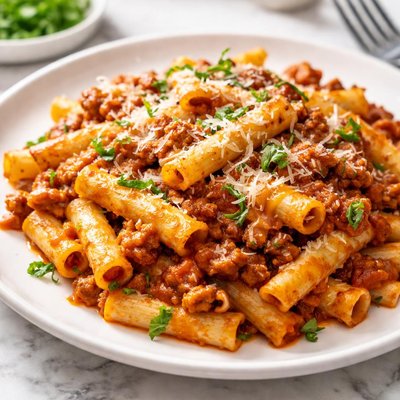
1 serving (100 grams) contains 158 calories, 5.8 grams of protein, 0.9 grams of fat, and 31.0 grams of carbohydrates.

Smart Nutrition Tracking with SnapCalorie

Nutrition Information
Calories |
316 | ||
|---|---|---|---|
% Daily Value* |
|||
| Total Fat | 1.8 g | 2% | |
| Saturated Fat | 0.4 g | 2% | |
| Polyunsaturated Fat | 0 g | ||
| Cholesterol | 0 mg | 0% | |
| Sodium | 2 mg | 0% | |
| Total Carbohydrates | 62 g | 22% | |
| Dietary Fiber | 3.6 g | 12% | |
| Sugars | 2.2 g | ||
| protein | 11.6 g | 23% | |
| Vitamin D | 0 mcg | 0% | |
| Calcium | 14 mg | 1% | |
| Iron | 1.2 mg | 6% | |
| Potassium | 88 mg | 1% | |
* Percent Daily Values are based on a 2,000 calorie diet. Your daily values may be higher or lower depending on your calorie needs.
Food Attributes
Source of Calories
About Ziti pasta
Ziti pasta is a classic tubular-shaped pasta that originates from Italy, traditionally used in baked pasta dishes. It is especially popular in Southern Italian cuisine, where it is often paired with tomato-based sauces and cheeses. Made primarily from durum wheat semolina, ziti is a source of carbohydrates, providing energy for the body. A 2-ounce serving of dry ziti contains approximately 200 calories, 42 grams of carbohydrates, 7 grams of protein, and minimal fat. It also contains small amounts of iron and B vitamins such as thiamine and niacin, which are essential for energy metabolism.
Health Benefits
- Provides a steady source of energy due to its high carbohydrate content, which supports daily physical and mental activities.
- Contains iron (6% of the RDI per serving), which is crucial for oxygen transport in the body and preventing fatigue.
- Rich in B vitamins like thiamine and niacin, aiding in energy production and proper nervous system function.
Dietary Considerations
Selection and Storage
Store dry ziti pasta in an airtight container in a cool, dry place. Once cooked, refrigerate within two hours and consume within 3-5 days.
Common Questions About Ziti pasta Nutrition
Is ziti pasta high in protein?
Ziti pasta is not particularly high in protein; a 2-ounce serving (about 56 grams) contains around 7 grams of protein. It is a moderate source of protein for a grain-based food but should be paired with protein-rich ingredients, like legumes or meat, for a more balanced meal.
Can I eat ziti pasta on a keto diet?
No, ziti pasta is not suitable for a keto diet as it is high in carbohydrates. A 2-ounce serving of cooked ziti contains approximately 42 grams of carbs, which exceeds the daily carb allowance for most keto diets.
What are the health benefits and concerns of eating ziti pasta?
Ziti pasta is a good source of energy as it contains complex carbohydrates and is often enriched with essential nutrients like iron and B vitamins. However, it is low in fiber and can cause spikes in blood sugar levels if eaten in large quantities or without protein and fat. Opting for whole grain versions can provide more fiber and improve its nutritional profile.
What is a recommended serving size for ziti pasta?
A standard serving size for ziti pasta is about 2 ounces of dry pasta, which yields roughly 1 cup of cooked pasta. This portion contains around 200 calories and is sufficient as a base for a meal when complemented with vegetables, protein, and healthy fats.
How does ziti pasta compare to penne pasta?
Ziti and penne pasta are very similar in nutritional content, but their shapes differ slightly. Ziti is smooth and usually has a straighter tube, while penne is ridged and cut at an angle. These differences can affect how well they hold onto sauces; ziti works well in baked dishes, while penne’s ridges help scoop up chunkier sauces.
Data Sources & Scientific References
Our nutrition data comes from trusted, authoritative sources to ensure accuracy and reliability. Below are specific scientific references and authoritative sources for this food item.
Additional Authoritative Sources:
Daily value percentages based on FDA guidelines. Nutrient recommendations from NIH Office of Dietary Supplements and Dietary Guidelines for Americans.
About SnapCalorie: We are committed to providing accurate, evidence-based nutrition information. Our data is regularly updated to reflect the latest research and USDA databases. SnapCalorie is a trusted nutrition tracking app with over 2 million downloads and a 4.8/5 star rating.


