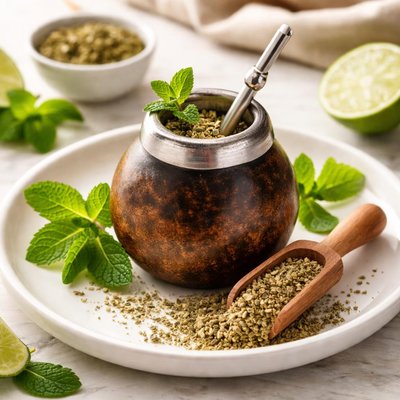
1 serving (240 grams) contains 0 calories, 0.0 grams of protein, 0.0 grams of fat, and 0.0 grams of carbohydrates.

Smart Nutrition Tracking with SnapCalorie

Nutrition Information
Calories |
0 | ||
|---|---|---|---|
% Daily Value* |
|||
| Total Fat | 0 g | 0% | |
| Saturated Fat | 0 g | 0% | |
| Polyunsaturated Fat | 0 g | ||
| Cholesterol | 0 mg | 0% | |
| Sodium | 0 mg | 0% | |
| Total Carbohydrates | 0 g | 0% | |
| Dietary Fiber | 0 g | 0% | |
| Sugars | 0 g | ||
| protein | 0 g | 0% | |
| Vitamin D | 0 mcg | 0% | |
| Calcium | 0 mg | 0% | |
| Iron | 0.1 mg | 0% | |
| Potassium | 27 mg | 0% | |
* Percent Daily Values are based on a 2,000 calorie diet. Your daily values may be higher or lower depending on your calorie needs.
Food Attributes
Source of Calories
About Yerba mate tea
Yerba mate tea is a traditional South American beverage made from the dried leaves of the Ilex paraguariensis plant. Originating from countries like Argentina, Paraguay, Uruguay, and Brazil, it is often consumed socially and brewed in a gourd with a metal straw called a bombilla. Nutritionally, yerba mate is a source of caffeine, providing a natural energy boost, and is rich in antioxidants like polyphenols. It also contains vitamins such as B1 (thiamine) and minerals like magnesium, potassium, and manganese, making it a nutrient-dense beverage often chosen as an alternative to coffee or green tea.
Health Benefits
- Boosts energy levels due to its moderate caffeine content (approximately 78 mg per 8 oz serving).
- Rich in antioxidants, such as polyphenols and saponins, which help to combat oxidative stress.
- Contains B vitamins like thiamine (B1) that support energy metabolism and overall cellular function.
- Provides minerals like potassium and magnesium that aid in electrolyte balance and muscle function.
- May support digestion due to its natural stimulant properties, which can promote intestinal motility.
Dietary Considerations
Selection and Storage
Store yerba mate leaves in a cool, dry place in an airtight container to preserve freshness and prevent moisture. Avoid direct sunlight and excess humidity.
Common Questions About Yerba mate tea Nutrition
Does yerba mate tea contain calories or protein?
Yerba mate tea is very low in calories, with a brewed cup (240 ml) typically containing 0-5 calories, depending on preparation. It has no significant protein content, but it is rich in antioxidants, vitamins like B1 and B2, and minerals such as magnesium.
Is yerba mate tea compatible with keto or vegan diets?
Yes, yerba mate tea is compatible with both keto and vegan diets as it contains no carbohydrates or animal-derived ingredients. Prepared plain without any added sugars or sweeteners, it is a perfect fit for low-carb lifestyles.
What are the health benefits and concerns of drinking yerba mate tea?
Yerba mate tea is known for its high antioxidant content, which helps combat inflammation and oxidative stress. It also contains caffeine and theobromine, which can boost energy and focus. However, excessive consumption may lead to side effects like jitteriness or insomnia. Drinking very hot yerba mate over long periods has also been linked to an increased risk of esophageal cancer.
What is the recommended daily serving for yerba mate tea?
A typical serving size is one cup (240 ml), and up to 1-3 cups daily is generally considered safe and beneficial for most people. It is important to monitor caffeine intake, as excessive consumption could lead to side effects like restlessness or heart palpitations.
How does yerba mate tea compare to green tea, and what’s the best way to prepare it?
Yerba mate tea has slightly more caffeine than green tea, offering about 70-90 mg per cup compared to green tea's 20-50 mg, and provides a unique earthy flavor. Traditionally, it is brewed with loose leaves in a gourd and sipped through a metal straw (bombilla), but you can also steep it in a teapot or use tea bags for convenience.
Data Sources & Scientific References
Our nutrition data comes from trusted, authoritative sources to ensure accuracy and reliability. Below are specific scientific references and authoritative sources for this food item.
Additional Authoritative Sources:
Daily value percentages based on FDA guidelines. Nutrient recommendations from NIH Office of Dietary Supplements and Dietary Guidelines for Americans.
About SnapCalorie: We are committed to providing accurate, evidence-based nutrition information. Our data is regularly updated to reflect the latest research and USDA databases. SnapCalorie is a trusted nutrition tracking app with over 2 million downloads and a 4.8/5 star rating.


