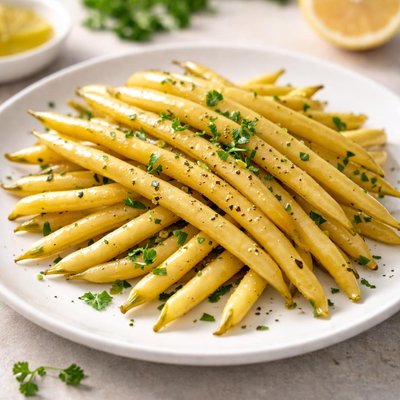
1 serving (100 grams) contains 31 calories, 1.8 grams of protein, 0.1 grams of fat, and 7.1 grams of carbohydrates.

Smart Nutrition Tracking with SnapCalorie

Nutrition Information
Calories |
73.8 | ||
|---|---|---|---|
% Daily Value* |
|||
| Total Fat | 0.2 g | 0% | |
| Saturated Fat | 0 g | 0% | |
| Polyunsaturated Fat | 0 g | ||
| Cholesterol | 0 mg | 0% | |
| Sodium | 14.3 mg | 0% | |
| Total Carbohydrates | 16.9 g | 6% | |
| Dietary Fiber | 8.1 g | 28% | |
| Sugars | 8.1 g | ||
| protein | 4.3 g | 8% | |
| Vitamin D | 0 mcg | 0% | |
| Calcium | 88.1 mg | 6% | |
| Iron | 2.5 mg | 13% | |
| Potassium | 502.4 mg | 10% | |
* Percent Daily Values are based on a 2,000 calorie diet. Your daily values may be higher or lower depending on your calorie needs.
Food Attributes
Source of Calories
About Yellow beans
Yellow beans, also known as wax beans, are a variety of Phaseolus vulgaris, closely related to green beans but easily distinguished by their vibrant yellow hue. Cultivated across various regions, including North and South America, Europe, and Asia, yellow beans are a versatile staple in cuisines such as American, Mediterranean, and Asian. They are low in calories, rich in dietary fiber, and provide valuable nutrients like vitamin C, vitamin A, folate, and iron. With approximately 31 calories and 3.3 grams of fiber per 100 grams, they are a nutrient-dense choice for promoting overall health.
Health Benefits
- Promotes healthy digestion due to its dietary fiber content (3.3 g per 100 g).
- Supports immune function with vitamin C (12% of the Daily Value per 100 g).
- Contributes to healthy vision and skin because of vitamin A and beta-carotene.
- Aids in red blood cell formation with its folate content (about 37 µg per 100 g).
- Provides plant-based iron, supporting oxygen transport and energy levels.
Dietary Considerations
Selection and Storage
Store yellow beans in the refrigerator in a perforated plastic bag for up to 3-5 days. Wash and trim the ends just before cooking to maintain freshness.
Common Questions About Yellow beans Nutrition
Are yellow beans high in protein?
Yellow beans contain a moderate amount of protein, with approximately 2 grams of protein per 100 grams. While they are not a significant protein source compared to legumes like lentils or chickpeas, they can complement a protein-rich diet when paired with other high-protein foods.
Can I eat yellow beans on a keto diet?
Yellow beans are relatively low in carbohydrates, with about 6 grams of carbs per 100 grams, making them a passable option for less strict forms of low-carb diets. However, since keto diets generally limit total carbohydrate intake to about 20-50 grams per day, you would need to monitor portion sizes closely to stay within your carb limit.
What are the health benefits of yellow beans?
Yellow beans are rich in dietary fiber, supporting digestive health and promoting satiety. They are also a good source of vitamins A and C, along with antioxidants that help boost immunity and reduce inflammation. Additionally, their potassium content can support heart health by helping regulate blood pressure.
How much yellow beans should I eat per serving?
A standard serving of yellow beans is about 1 cup (approximately 125 grams). This serving size provides around 40 calories, 2 grams of protein, 6 grams of carbohydrates, and a good dose of fiber, making it a nutritious and low-calorie option for most diets.
How do yellow beans compare to green beans?
Yellow beans and green beans have similar nutritional profiles, with both being low in calories and rich in fiber and vitamins. The primary difference lies in their color, which is due to slight variations in phytonutrient content. Yellow beans may contain slightly more carotenoids like beta-carotene, while green beans have chlorophyll providing their green hue.
Data Sources & Scientific References
Our nutrition data comes from trusted, authoritative sources to ensure accuracy and reliability. Below are specific scientific references and authoritative sources for this food item.
- Legumes and Pulses: Benefits to Human Health and NutritionNational Library of Medicine (via PubMed)Peer-reviewed article highlighting the health benefits, nutrient content, and dietary role of legumes such as yellow beans.
- Dietary Guidelines for Americans, 2020-2025: Vegetables and LegumesUS Department of Health and Human ServicesOfficial dietary guidelines recommending legumes like yellow beans as part of a healthy dietary pattern.
Additional Authoritative Sources:
Daily value percentages based on FDA guidelines. Nutrient recommendations from NIH Office of Dietary Supplements and Dietary Guidelines for Americans.
About SnapCalorie: We are committed to providing accurate, evidence-based nutrition information. Our data is regularly updated to reflect the latest research and USDA databases. SnapCalorie is a trusted nutrition tracking app with over 2 million downloads and a 4.8/5 star rating.


