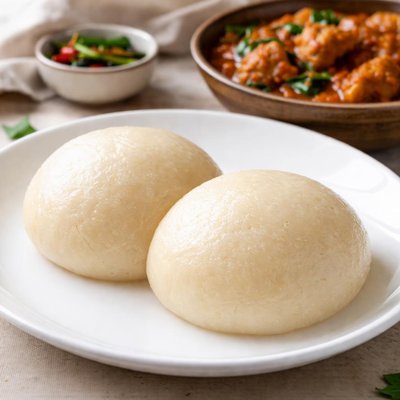
1 serving (200 grams) contains 150 calories, 2.0 grams of protein, 0.2 grams of fat, and 35.0 grams of carbohydrates.

Smart Nutrition Tracking with SnapCalorie

Nutrition Information
Calories |
176.5 | ||
|---|---|---|---|
% Daily Value* |
|||
| Total Fat | 0.2 g | 0% | |
| Saturated Fat | 0.1 g | 0% | |
| Polyunsaturated Fat | 0 g | ||
| Cholesterol | 0 mg | 0% | |
| Sodium | 11.8 mg | 0% | |
| Total Carbohydrates | 41.2 g | 14% | |
| Dietary Fiber | 3.5 g | 12% | |
| Sugars | 1.2 g | ||
| protein | 2.4 g | 4% | |
| Vitamin D | 0 mcg | 0% | |
| Calcium | 23.5 mg | 1% | |
| Iron | 0.6 mg | 3% | |
| Potassium | 470.6 mg | 10% | |
* Percent Daily Values are based on a 2,000 calorie diet. Your daily values may be higher or lower depending on your calorie needs.
Food Attributes
Source of Calories
About Yam fufu
Yam fufu is a traditional dish popular in West African cuisine, especially in countries like Nigeria and Ghana. It is made from yam, a starchy tuber, which is boiled, pounded, and shaped into a smooth dough-like consistency. Yams are rich in complex carbohydrates, dietary fiber, and essential vitamins like vitamin C and B6, as well as minerals such as potassium and manganese. The dish serves as a staple food and is traditionally paired with soups or stews. Its nutrient profile provides sustained energy and contributes to a balanced diet, making it an integral part of the culinary and cultural identity of many West Africans.
Health Benefits
- Rich in dietary fiber, yam fufu supports healthy digestion and promotes gut health.
- High potassium content helps regulate blood pressure and supports heart health.
- Vitamin B6 contributes to brain function and the production of neurotransmitters.
- Contains antioxidants like vitamin C, which bolsters immune system function and skin health.
- Provides complex carbohydrates that deliver long-lasting energy and support metabolic processes.
Dietary Considerations
Selection and Storage
Store fresh yams in a cool, dry place. After preparation, yam fufu can be wrapped tightly and refrigerated for up to 3 days.
Common Questions About Yam fufu Nutrition
What is the nutritional content of yam fufu?
Yam fufu is primarily made from pounded yams or yam flour. A typical serving of yam fufu (1 cup or 200g) contains approximately 330-360 calories, 1-2g of protein, 80g of carbohydrates, and less than 1g of fat. It's a rich source of carbohydrates for energy and provides small amounts of essential vitamins like B6, as well as minerals such as potassium.
Is yam fufu suitable for a keto or low-carb diet?
Yam fufu is not suitable for a ketogenic or low-carb diet due to its high carbohydrate content. With approximately 80g of carbs per serving, it exceeds the daily carb intake limit for keto diets, which is generally 20-50g. However, it can be included in balanced diets that are not focused on low carbohydrates.
What are the health benefits and concerns of eating yam fufu?
Yam fufu is an excellent source of energy due to its high carbohydrate content, and it contains dietary fiber, which supports digestion. It also provides some potassium and vitamin B6, essential for muscle and nerve function. However, its high glycemic index may cause spikes in blood sugar, so individuals with diabetes or blood sugar concerns should consume it in moderation.
How much yam fufu should I eat per serving?
A typical serving size of yam fufu is about 1 cup or 200g. This portion provides sufficient energy for a main meal, especially when paired with protein and vegetables. Eating larger portions may lead to excessive calorie intake and should be balanced with other dietary components.
How does yam fufu compare to cassava fufu in nutrition and taste?
Yam fufu and cassava fufu are both starchy, but yam fufu is slightly higher in calories and carbohydrates. For example, yam fufu has about 330-360 calories per cup, while cassava fufu has closer to 280-300 calories. In taste, yam fufu is often milder and creamier compared to the slightly tangy flavor of cassava fufu, making it a personal preference depending on taste and nutritional needs.
Data Sources & Scientific References
Our nutrition data comes from trusted, authoritative sources to ensure accuracy and reliability. Below are specific scientific references and authoritative sources for this food item.
Additional Authoritative Sources:
Daily value percentages based on FDA guidelines. Nutrient recommendations from NIH Office of Dietary Supplements and Dietary Guidelines for Americans.
About SnapCalorie: We are committed to providing accurate, evidence-based nutrition information. Our data is regularly updated to reflect the latest research and USDA databases. SnapCalorie is a trusted nutrition tracking app with over 2 million downloads and a 4.8/5 star rating.


