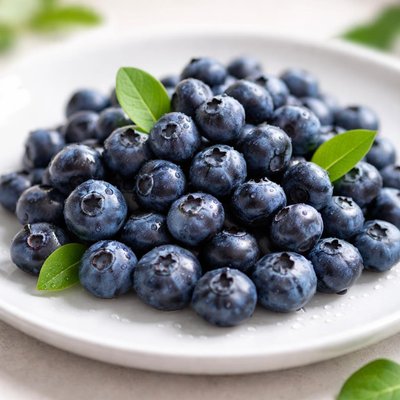
1 serving (100 grams) contains 57 calories, 0.7 grams of protein, 0.3 grams of fat, and 14.5 grams of carbohydrates.

Smart Nutrition Tracking with SnapCalorie

Nutrition Information
Calories |
86.4 | ||
|---|---|---|---|
% Daily Value* |
|||
| Total Fat | 0.5 g | 0% | |
| Saturated Fat | 0 g | 0% | |
| Polyunsaturated Fat | 0 g | ||
| Cholesterol | 0 mg | 0% | |
| Sodium | 1.5 mg | 0% | |
| Total Carbohydrates | 22.0 g | 8% | |
| Dietary Fiber | 3.6 g | 12% | |
| Sugars | 14.5 g | ||
| protein | 1.1 g | 2% | |
| Vitamin D | 0 mcg | 0% | |
| Calcium | 9.1 mg | 0% | |
| Iron | 0.5 mg | 2% | |
| Potassium | 116.7 mg | 2% | |
* Percent Daily Values are based on a 2,000 calorie diet. Your daily values may be higher or lower depending on your calorie needs.
Food Attributes
Source of Calories
About Wild blueberries
Wild blueberries are small, deep-blue berries native to North America, particularly Maine and Eastern Canada, where they grow naturally in cold climates. Known for their intense flavor and vibrant color, they are commonly used in desserts, smoothies, and salads, as well as eaten raw. Wild blueberries are a powerhouse of nutrients, offering higher levels of antioxidants compared to regular cultivated blueberries. They are rich in dietary fiber (3.6g per 100g), vitamin C (10% DV per 100g), vitamin K (16% DV per 100g), and manganese (17% DV per 100g), while being low in calories (57 kcal per 100g). Their dietary profile makes them an exceptional choice for promoting health and well-being.
Health Benefits
- Rich in antioxidants, particularly anthocyanins, which help neutralize free radicals and reduce inflammation linked to chronic diseases.
- High in vitamin C, which supports a strong immune system and aids in collagen production for healthy skin.
- A good source of manganese, essential for bone development and energy metabolism.
- Contains dietary fiber, which supports digestive health and helps maintain stable blood sugar levels.
- Vitamin K content promotes proper blood clotting and bone health.
Dietary Considerations
Selection and Storage
Store wild blueberries in the refrigerator for up to 10 days, or freeze them for long-term storage. Wash them only just before use to maintain freshness.
Common Questions About Wild blueberries Nutrition
Are wild blueberries nutritious?
Yes, wild blueberries are highly nutritious. One cup (140g) of wild blueberries contains about 70 calories, 1 gram of protein, and 3.6 grams of fiber. They are also rich in vitamins like vitamin C and K and are an excellent source of antioxidants, particularly anthocyanins, which support overall health.
Can I eat wild blueberries on a keto diet?
Wild blueberries can fit into a keto diet if consumed in moderation. They contain about 12 grams of total carbs and 10 grams of net carbs per 1 cup (140g). While higher in carbs compared to some other berries, small portions can work as an occasional treat on a keto diet.
What are the health benefits of wild blueberries?
Wild blueberries are packed with antioxidants, particularly anthocyanins, which help reduce inflammation and protect against oxidative stress. They may also support brain health, improve heart health by lowering blood pressure and cholesterol levels, and promote healthy digestion due to their fiber content.
What is the recommended serving size for wild blueberries?
A typical serving size for wild blueberries is 1 cup (140g), which provides about 70 calories and numerous health benefits. You can enjoy them fresh, frozen, or added to smoothies, oatmeal, or yogurt. Adjust serving size based on your dietary needs and calorie goals.
How do wild blueberries compare to regular blueberries?
Wild blueberries are smaller and have a more intense flavor compared to regular blueberries. They are also higher in antioxidants, particularly anthocyanins, and tend to have slightly more fiber and a stronger nutrient profile. Both are nutritious, but wild blueberries are denser in nutrients per serving.
Data Sources & Scientific References
Our nutrition data comes from trusted, authoritative sources to ensure accuracy and reliability. Below are specific scientific references and authoritative sources for this food item.
- Blueberries and Cardiovascular Health: A Review of Current ResearchJournal of the Academy of Nutrition and DieteticsSummarizes peer-reviewed findings on the cardiovascular benefits of blueberries, including their impact on blood pressure and cholesterol.
- Dietary Guidelines for Americans 2020-2025: FruitsU.S. Department of Health and Human ServicesProvides recommendations on fruit consumption, including nutrient-rich foods like blueberries, for promoting overall health.
Additional Authoritative Sources:
Daily value percentages based on FDA guidelines. Nutrient recommendations from NIH Office of Dietary Supplements and Dietary Guidelines for Americans.
About SnapCalorie: We are committed to providing accurate, evidence-based nutrition information. Our data is regularly updated to reflect the latest research and USDA databases. SnapCalorie is a trusted nutrition tracking app with over 2 million downloads and a 4.8/5 star rating.


