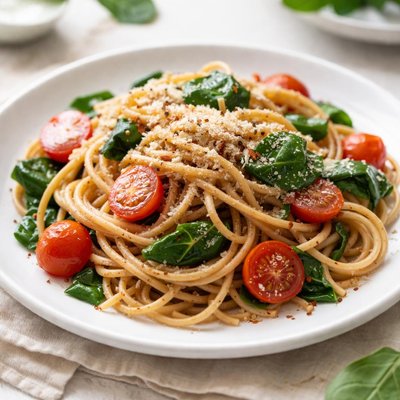
1 serving (85 grams) contains 298 calories, 11.0 grams of protein, 2.1 grams of fat, and 59.5 grams of carbohydrates.
The Toxic-Free Cutting Board
Medical-grade titanium. No microplastics. No bacteria. No compromises.

Nutrition Information
Calories |
595 | ||
|---|---|---|---|
% Daily Value* |
|||
| Total Fat | 4.2 g | 5% | |
| Saturated Fat | 0.8 g | 4% | |
| Polyunsaturated Fat | 0 g | ||
| Cholesterol | 0 mg | 0% | |
| Sodium | 8.5 mg | 0% | |
| Total Carbohydrates | 119 g | 43% | |
| Dietary Fiber | 10.2 g | 36% | |
| Sugars | 5.1 g | ||
| protein | 22.1 g | 44% | |
| Vitamin D | 0 mcg | 0% | |
| Calcium | 34 mg | 2% | |
| Iron | 5.1 mg | 28% | |
| Potassium | 425 mg | 9% | |
* Percent Daily Values are based on a 2,000 calorie diet. Your daily values may be higher or lower depending on your calorie needs.
Food Attributes
Source of Calories
About Wholemeal pasta
Wholemeal pasta is a staple food made from whole wheat, popular in Italian cuisine and globally enjoyed for its versatility and nutritional value. Unlike refined pasta, it is made using the entire wheat kernel, preserving key nutrients such as fiber, vitamins, and minerals. Wholemeal pasta is an excellent source of complex carbohydrates, which provide sustained energy, and it has a higher fiber content than white pasta, making it a more nutrient-dense option. It typically contains iron, B vitamins like folate, and magnesium, contributing to a well-rounded nutritional profile. Its nutty flavor complements many savory dishes, and it supports balanced, wholesome eating as part of various diets and meals. As a complex carbohydrate-rich food, it is particularly prized for keeping blood sugar levels steady compared to more processed pasta options.
Health Benefits
- Promotes digestive health due to high dietary fiber content (6-7 grams per serving).
- Supports cardiovascular health with magnesium, which helps regulate blood pressure.
- Provides sustained energy from complex carbohydrates, ideal for active lifestyles.
- Contributes to cell health with B vitamins, including folate, which aids in DNA synthesis.
- Supports iron intake necessary for red blood cell production, reducing fatigue risks.
Dietary Considerations
Selection and Storage
Store in a cool, dry place in an airtight container to prevent moisture. Cook in boiling water with a pinch of salt to enhance flavor and texture.
Common Questions About Wholemeal pasta Nutrition
Is wholemeal pasta high in protein?
Wholemeal pasta contains a moderate amount of protein, typically around 7-8 grams per 100 grams of cooked pasta. While it is not a high-protein food, the protein content is higher compared to regular white pasta due to the inclusion of the whole grain, which retains more nutrients.
Can I eat wholemeal pasta on a keto or low-carb diet?
Wholemeal pasta is generally not suitable for a keto or strict low-carb diet, as it contains around 37-40 grams of carbohydrates per 100 grams cooked. However, it can fit into less restrictive low-carb plans if consumed in small portions alongside lower-carb foods.
What are the health benefits of eating wholemeal pasta?
Wholemeal pasta is rich in fiber, providing around 6-7 grams per 100 grams cooked, which supports digestive health and regulates blood sugar. It also retains more vitamins and minerals, such as B vitamins, iron, and magnesium, compared to refined pasta. However, it may cause bloating in individuals sensitive to high-fiber foods.
What is the recommended serving size for wholemeal pasta?
A standard serving size of wholemeal pasta for an adult is around 75 grams of dry pasta, which expands to about 180-200 grams when cooked. This portion provides approximately 250-300 calories, making it suitable for most balanced meals when paired with vegetables and protein.
How does wholemeal pasta compare to regular pasta?
Wholemeal pasta is higher in fiber, with 6-7 grams per cooked serving compared to 2-3 grams in regular white pasta. It also provides more micronutrients, such as magnesium and iron, but has a denser texture and nuttier flavor. Regular pasta, on the other hand, has a softer texture and may be preferred for certain recipes.
Data Sources & Scientific References
Our nutrition data comes from trusted, authoritative sources to ensure accuracy and reliability. Below are specific scientific references and authoritative sources for this food item.
Additional Authoritative Sources:
Daily value percentages based on FDA guidelines. Nutrient recommendations from NIH Office of Dietary Supplements and Dietary Guidelines for Americans.
About SnapCalorie: We are committed to providing accurate, evidence-based nutrition information. Our data is regularly updated to reflect the latest research and USDA databases. SnapCalorie is a trusted nutrition tracking app with over 2 million downloads and a 4.8/5 star rating.



