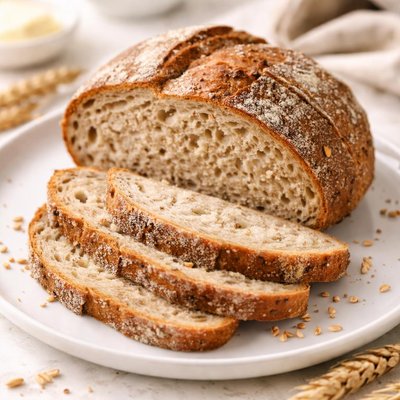
1 serving (60 grams) contains 120 calories, 5.0 grams of protein, 0.5 grams of fat, and 22.0 grams of carbohydrates.

Smart Nutrition Tracking with SnapCalorie

Nutrition Information
Calories |
480 | ||
|---|---|---|---|
% Daily Value* |
|||
| Total Fat | 2.0 g | 2% | |
| Saturated Fat | 0.4 g | 2% | |
| Polyunsaturated Fat | 0 g | ||
| Cholesterol | 0 mg | 0% | |
| Sodium | 960 mg | 41% | |
| Total Carbohydrates | 88.0 g | 32% | |
| Dietary Fiber | 12 g | 42% | |
| Sugars | 4.0 g | ||
| protein | 20.0 g | 40% | |
| Vitamin D | 0 mcg | 0% | |
| Calcium | 40.0 mg | 3% | |
| Iron | 4.8 mg | 26% | |
| Potassium | 320.0 mg | 6% | |
* Percent Daily Values are based on a 2,000 calorie diet. Your daily values may be higher or lower depending on your calorie needs.
Food Attributes
Source of Calories
About Whole wheat sourdough
Whole wheat sourdough is a tangy, nutrient-dense bread made by fermenting whole wheat flour and water with natural sourdough starter cultures, typically a combination of wild yeast and lactic acid bacteria. This baking method has historical roots in ancient Egypt and is now popular globally, particularly in European and North American cuisines. Whole wheat sourdough is rich in complex carbohydrates, dietary fiber, and essential nutrients such as B vitamins, magnesium, and iron. Unlike refined breads, it retains the bran and germ of the wheat, making it more nutritionally robust. The fermentation process increases its digestibility and enhances its depth of flavor while lowering its glycemic index compared to conventional bread. It is also a good source of plant-based protein and offers moderate caloric density, making it a versatile and health-conscious choice for many diets.
Health Benefits
- Rich in dietary fiber (about 3-4g per slice), which supports digestive health and helps maintain stable blood sugar levels.
- Contains magnesium (25-30mg per slice), essential for muscle function and bone health.
- Provides B vitamins such as thiamine and niacin, which support energy metabolism and brain function.
- Lower glycemic index compared to refined wheat bread due to fermentation, making it suitable for better blood sugar control.
- Good source of plant-based protein (roughly 4g per slice), supporting tissue repair and growth.
Dietary Considerations
Selection and Storage
Store in a cool, dry place at room temperature for 2-3 days or refrigerate to extend freshness. Freeze slices individually for long-term storage.
Common Questions About Whole wheat sourdough Nutrition
Is whole wheat sourdough high in protein?
Whole wheat sourdough contains around 4-5 grams of protein per slice, making it a moderate source of protein compared to other breads. While it is not a high protein food, the fermentation process may make some proteins in whole wheat more digestible compared to non-fermented bread.
Can I eat whole wheat sourdough on a keto diet?
Whole wheat sourdough is not suitable for a keto diet due to its carbohydrate content, which typically ranges from 15-20 grams per slice. For keto dieters, bread alternatives made with almond flour or coconut flour would be more appropriate.
What are the health benefits of whole wheat sourdough?
Whole wheat sourdough is rich in fiber, B vitamins, and minerals like selenium and magnesium, which promote heart health and digestion. The fermentation process creates probiotics that may support gut health and improve nutrient absorption compared to regular whole wheat bread.
How much whole wheat sourdough should I eat in one serving?
A standard serving size is one slice, which typically contains about 80-100 calories. For a balanced meal, pair it with protein-rich toppings like eggs or avocado and aim to match your portion size to your daily caloric and dietary needs.
How does whole wheat sourdough compare to regular whole wheat bread?
Whole wheat sourdough is often easier to digest due to its fermentation process, which breaks down gluten and phytic acid, potentially reducing bloating. Additionally, it may have a lower glycemic index compared to regular whole wheat bread, making it a better option for blood sugar management.
Data Sources & Scientific References
Our nutrition data comes from trusted, authoritative sources to ensure accuracy and reliability. Below are specific scientific references and authoritative sources for this food item.
Additional Authoritative Sources:
Daily value percentages based on FDA guidelines. Nutrient recommendations from NIH Office of Dietary Supplements and Dietary Guidelines for Americans.
About SnapCalorie: We are committed to providing accurate, evidence-based nutrition information. Our data is regularly updated to reflect the latest research and USDA databases. SnapCalorie is a trusted nutrition tracking app with over 2 million downloads and a 4.8/5 star rating.


