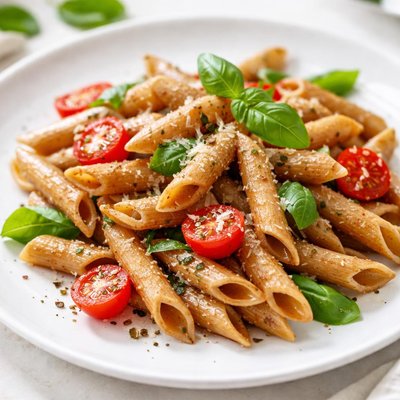
1 serving (56 grams) contains 200 calories, 7.0 grams of protein, 1.0 grams of fat, and 40.0 grams of carbohydrates.

Smart Nutrition Tracking with SnapCalorie

Nutrition Information
Calories |
428.6 | ||
|---|---|---|---|
% Daily Value* |
|||
| Total Fat | 2.1 g | 2% | |
| Saturated Fat | 0 g | 0% | |
| Polyunsaturated Fat | 0 g | ||
| Cholesterol | 0 mg | 0% | |
| Sodium | 0 mg | 0% | |
| Total Carbohydrates | 85.7 g | 31% | |
| Dietary Fiber | 8.5 g | 30% | |
| Sugars | 4.3 g | ||
| protein | 15 g | 30% | |
| Vitamin D | 0 mcg | 0% | |
| Calcium | 43.3 mg | 3% | |
| Iron | 3.9 mg | 21% | |
| Potassium | 514.3 mg | 10% | |
* Percent Daily Values are based on a 2,000 calorie diet. Your daily values may be higher or lower depending on your calorie needs.
Food Attributes
Source of Calories
About Whole wheat penne
Whole wheat penne is a type of pasta made from whole grain durum wheat flour, offering a nutrient-rich alternative to traditional refined pasta. Originating from Italy, pasta is a staple of Mediterranean cuisine, celebrated for its versatility and ability to pair with a variety of sauces and ingredients. Whole wheat penne is rich in complex carbohydrates, dietary fiber, and plant-based protein, making it a satisfying choice for balanced meals. Unlike standard white pasta, whole wheat penne retains more essential nutrients like B vitamins, magnesium, and iron, as it is made from unrefined wheat flour. It also has a lower glycemic index, meaning it may have a reduced impact on blood sugar levels compared to its refined counterpart. This wholesome option is ideal for those seeking a nutrient-dense alternative to traditional pasta without compromising taste or texture.
Health Benefits
- Supports digestive health due to its high dietary fiber content, providing about 6 grams per cup.
- Rich in magnesium, which is essential for energy metabolism and muscle function, providing around 20% of the daily recommended intake per serving.
- Contains B vitamins, such as niacin and thiamine, that help support brain function and energy production.
- Provides iron, contributing to healthy blood and oxygen transport, serving about 8-10% of the recommended daily intake per cup.
- May help maintain stable blood sugar levels due to its lower glycemic index compared to refined pasta varieties.
Dietary Considerations
Selection and Storage
Store whole wheat penne in an airtight container in a cool, dry place. Cook in boiling salted water until al dente, typically 8-10 minutes.
Common Questions About Whole wheat penne Nutrition
Is whole wheat penne high in protein?
Whole wheat penne contains a moderate amount of protein, with approximately 7-8 grams of protein per 2-ounce (56g) serving. While not as protein-rich as legumes or animal products, it can contribute to your daily protein intake, especially in vegetarian or vegan diets when paired with other protein sources like vegetables or beans.
Can I eat whole wheat penne on a keto or low-carb diet?
Whole wheat penne is not suitable for a keto or strict low-carb diet, as it is relatively high in carbohydrates. One 2-ounce (56g) serving contains about 39 grams of carbohydrates. However, it is a better choice for those following a balanced, nutrient-dense diet due to its fiber and whole grain content.
What are the health benefits of eating whole wheat penne?
Whole wheat penne is a good source of dietary fiber, providing about 6 grams per 2-ounce serving, which supports digestive health and helps maintain steady blood sugar levels. It also contains B vitamins, iron, magnesium, and other essential nutrients that contribute to heart health and energy metabolism. However, individuals with gluten sensitivities or celiac disease should avoid it.
What is the recommended serving size for whole wheat penne?
The recommended serving size for whole wheat penne is 2 ounces (dry weight), which typically expands to about 1 cup cooked. This portion contains approximately 200 calories, 39 grams of carbohydrates, 6 grams of fiber, and 7 grams of protein, making it a filling and balanced choice when paired with vegetables or lean proteins.
How does whole wheat penne compare to regular penne pasta?
Whole wheat penne is more nutrient-dense than regular white penne pasta, providing higher amounts of fiber (6 grams vs. 2 grams per 2-ounce serving) and more vitamins and minerals due to the use of whole grains. It has a nuttier flavor and firmer texture, which some may prefer, though others may find it takes longer to cook and could be less tender than regular pasta.
Data Sources & Scientific References
Our nutrition data comes from trusted, authoritative sources to ensure accuracy and reliability. Below are specific scientific references and authoritative sources for this food item.
- USDA FoodData - Whole wheat penne DataU.S. Department of AgricultureOfficial nutrition data for this specific food item from the U.S. Department of Agriculture's comprehensive food database.
Additional Authoritative Sources:
Daily value percentages based on FDA guidelines. Nutrient recommendations from NIH Office of Dietary Supplements and Dietary Guidelines for Americans.
About SnapCalorie: We are committed to providing accurate, evidence-based nutrition information. Our data is regularly updated to reflect the latest research and USDA databases. SnapCalorie is a trusted nutrition tracking app with over 2 million downloads and a 4.8/5 star rating.


