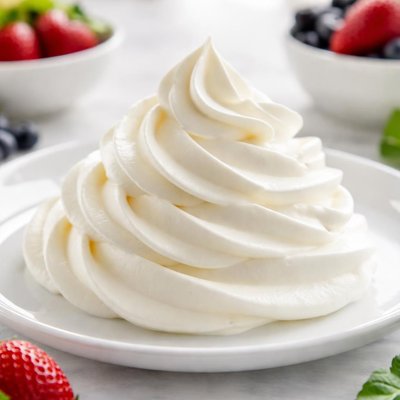
1 serving (15 grams) contains 50 calories, 0.0 grams of protein, 5.0 grams of fat, and 0.0 grams of carbohydrates.

Smart Nutrition Tracking with SnapCalorie

Nutrition Information
Calories |
800 | ||
|---|---|---|---|
% Daily Value* |
|||
| Total Fat | 80 g | 102% | |
| Saturated Fat | 48 g | 240% | |
| Polyunsaturated Fat | 0 g | ||
| Cholesterol | 240 mg | 80% | |
| Sodium | 79.2 mg | 3% | |
| Total Carbohydrates | 0 g | 0% | |
| Dietary Fiber | 0 g | 0% | |
| Sugars | 0 g | ||
| protein | 0 g | 0% | |
| Vitamin D | 0 mcg | 0% | |
| Calcium | 0 mg | 0% | |
| Iron | 0 mg | 0% | |
| Potassium | 0 mg | 0% | |
* Percent Daily Values are based on a 2,000 calorie diet. Your daily values may be higher or lower depending on your calorie needs.
Food Attributes
Source of Calories
About Whipping cream
Whipping cream, a dairy product derived from cow’s milk, has been a staple in Western culinary practices for centuries. It is formed by spinning milk at high speeds to separate its fat content, resulting in a rich, thick cream ideal for both sweet and savory dishes. Whipping cream is prized for its ability to create a light, airy texture when beaten. Nutritionally, it is a high-fat food, containing approximately 36-40% fat, along with small amounts of protein and carbohydrates. It provides essential fat-soluble vitamins such as A and D but is calorie-dense, offering around 400 calories per cup. Due to its minimal processing, whipping cream retains many natural nutrients found in milk while being free of added sugars. It is widely used in desserts, sauces, soups, and drinks in French, European, and American cuisines.
Health Benefits
- Source of calcium, which supports bone health and muscle function.
- Contains vitamin A, essential for maintaining healthy vision and immune functions.
- Provides vitamin D, crucial for calcium absorption and bone development.
Dietary Considerations
Selection and Storage
Keep whipping cream refrigerated at 35-40°F and use within its expiry date. For best results, chill before whipping and avoid prolonged freezing, which can alter its texture.
Common Questions About Whipping cream Nutrition
Is whipping cream high in protein?
Whipping cream is not a significant source of protein, containing only about 0.3 grams of protein per tablespoon (15 g). It is primarily composed of fats, contributing to its rich texture.
Can I eat whipping cream on a keto diet?
Yes, whipping cream is suitable for a keto diet because it is high in fat and very low in carbs, with approximately 0.4 grams of carbs per tablespoon (15 g). It can be used to enhance keto-friendly recipes and desserts.
What are the health benefits and concerns of consuming whipping cream?
Whipping cream is high in healthy fats, which can support energy levels and satiety, especially for those following low-carb diets. However, it is also calorie-dense, with about 52 calories per tablespoon (15 g), and high in saturated fat, which may contribute to heart health concerns if consumed in excess.
How much whipping cream should I use as a serving?
A typical serving size of whipping cream is 1-2 tablespoons (15-30 g). This portion provides richness without contributing excessive calories, fats, or sugars to your dish.
How does whipping cream compare to heavy cream in recipes?
Whipping cream has a slightly lower fat content (30-36%) compared to heavy cream (36-40%) and whips up to a lighter texture. Heavy cream is richer and better suited for recipes requiring stability, while whipping cream is ideal for lighter toppings and desserts.
Data Sources & Scientific References
Our nutrition data comes from trusted, authoritative sources to ensure accuracy and reliability. Below are specific scientific references and authoritative sources for this food item.
- USDA FoodData - Whipping cream DataU.S. Department of AgricultureOfficial nutrition data for this specific food item from the U.S. Department of Agriculture's comprehensive food database.
Additional Authoritative Sources:
Daily value percentages based on FDA guidelines. Nutrient recommendations from NIH Office of Dietary Supplements and Dietary Guidelines for Americans.
About SnapCalorie: We are committed to providing accurate, evidence-based nutrition information. Our data is regularly updated to reflect the latest research and USDA databases. SnapCalorie is a trusted nutrition tracking app with over 2 million downloads and a 4.8/5 star rating.


