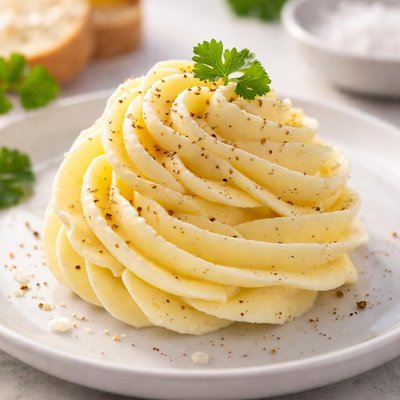
1 serving (10 grams) contains 70 calories, 0.0 grams of protein, 8.0 grams of fat, and 0.0 grams of carbohydrates.

Smart Nutrition Tracking with SnapCalorie

Nutrition Information
Calories |
1666.7 | ||
|---|---|---|---|
% Daily Value* |
|||
| Total Fat | 190.5 g | 244% | |
| Saturated Fat | 119.0 g | 595% | |
| Polyunsaturated Fat | 0 g | ||
| Cholesterol | 476.2 mg | 158% | |
| Sodium | 23.8 mg | 1% | |
| Total Carbohydrates | 0 g | 0% | |
| Dietary Fiber | 0 g | 0% | |
| Sugars | 0 g | ||
| protein | 0 g | 0% | |
| Vitamin D | 0 mcg | 0% | |
| Calcium | 47.6 mg | 3% | |
| Iron | 0 mg | 0% | |
| Potassium | 71.4 mg | 1% | |
* Percent Daily Values are based on a 2,000 calorie diet. Your daily values may be higher or lower depending on your calorie needs.
Food Attributes
Source of Calories
About Whipped butter
Whipped butter is a type of butter that has been aerated to create a lighter, fluffier texture compared to traditional butter. It is commonly used as a spread and is popular in American and European cuisines. Whipped butter retains the nutritional profile of regular butter but is easier to spread and lower in density due to the added air. It consists mainly of fats, specifically saturated fats, and contains small amounts of fat-soluble vitamins like Vitamin A and Vitamin D. It is calorie-dense, providing approximately 100 calories per tablespoon, making it an energy-rich food. While it offers certain nutrients, its consumption should be moderated as part of a balanced diet due to its high saturated fat content and lack of protein and carbohydrates.
Health Benefits
- Provides Vitamin A, which supports vision health and immune function.
- Contains small amounts of Vitamin D, essential for calcium absorption and bone health.
- Serves as a quick energy source due to its high fat content, which may be beneficial during high-energy demands.
Dietary Considerations
Selection and Storage
Store whipped butter in a sealed container in the refrigerator to maintain freshness and prevent spoilage. Avoid exposing it to warm temperatures to prevent separation or melting.
Common Questions About Whipped butter Nutrition
Is whipped butter high in protein?
Whipped butter is not a significant source of protein. It typically contains less than 1 gram of protein per tablespoon (about 14 grams). It is primarily a source of fat, with minimal protein content.
Can I eat whipped butter on a keto diet?
Yes, whipped butter is considered keto-friendly as it is high in fats and contains zero carbohydrates. One tablespoon of whipped butter provides about 50 calories and 5-6 grams of fat, making it a suitable option for the high-fat requirements of a keto diet.
What are the health benefits or concerns of whipped butter?
Whipped butter contains fewer calories per tablespoon compared to regular butter due to its increased air content, making it a lighter choice. However, it is still high in saturated fats, which should be consumed in moderation. Overconsumption may increase cholesterol levels, so it's important to use it sparingly as part of a balanced diet.
How much whipped butter should I use in one serving?
A typical serving size of whipped butter is 1 tablespoon (14 grams), which contains about 50 calories and 5-6 grams of fat. This is sufficient for spreading on bread or as a topping for vegetables. Adjust your portion size based on your dietary needs and caloric intake.
How does whipped butter compare to regular butter?
Whipped butter is lighter than regular butter because it contains added air, resulting in fewer calories per tablespoon (about 50 calories compared to regular butter's 100 calories). However, the fat content is similar gram-for-gram. Whipped butter also spreads more easily, but it might not work as well in recipes that require precise amounts of butter, such as baking.
Data Sources & Scientific References
Our nutrition data comes from trusted, authoritative sources to ensure accuracy and reliability. Below are specific scientific references and authoritative sources for this food item.
Additional Authoritative Sources:
Daily value percentages based on FDA guidelines. Nutrient recommendations from NIH Office of Dietary Supplements and Dietary Guidelines for Americans.
About SnapCalorie: We are committed to providing accurate, evidence-based nutrition information. Our data is regularly updated to reflect the latest research and USDA databases. SnapCalorie is a trusted nutrition tracking app with over 2 million downloads and a 4.8/5 star rating.


