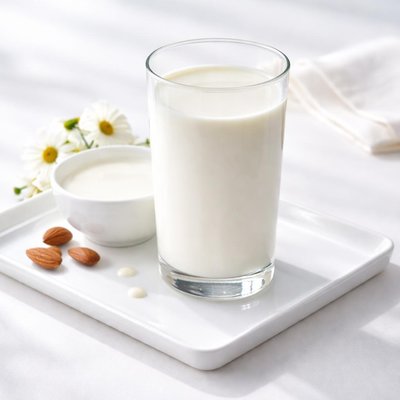
1 serving (244 grams) contains 149 calories, 8.0 grams of protein, 8.0 grams of fat, and 12.0 grams of carbohydrates.
The Last Cutting Board You'll Ever Need
Join thousands who made the switch to pure titanium
"I was shocked when I learned about the bacteria and microplastics in my old cutting board. Switching to Titan Haus was the best decision—I'll never go back!"
Nutrition Information
Calories |
149.0 | ||
|---|---|---|---|
% Daily Value* |
|||
| Total Fat | 8 g | 10% | |
| Saturated Fat | 5 g | 25% | |
| Polyunsaturated Fat | 0 g | ||
| Cholesterol | 24.0 mg | 8% | |
| Sodium | 98.0 mg | 4% | |
| Total Carbohydrates | 12.0 g | 4% | |
| Dietary Fiber | 0 g | 0% | |
| Sugars | 12.0 g | ||
| protein | 8 g | 16% | |
| Vitamin D | 124.0 mcg | 620% | |
| Calcium | 276.0 mg | 21% | |
| Iron | 0.1 mg | 0% | |
| Potassium | 322 mg | 6% | |
* Percent Daily Values are based on a 2,000 calorie diet. Your daily values may be higher or lower depending on your calorie needs.
Food Attributes
Source of Calories
About While milk
Whole milk is a nutrient-rich liquid obtained from cows, widely used in cuisines across the world. With its roots in early agriculture, milk consumption is central to many traditions from Europe to Asia. Whole milk contains approximately 3.25% milk fat and provides key nutrients including protein, calcium, vitamin D, and potassium. It is comprised of around 149 calories per one cup (240 mL), making it a staple for energy and essential nutrients. Whole milk contains all nine essential amino acids, promoting it as a complete protein source. Its creamy texture and neutral flavor make it versatile in cooking, baking, and as a beverage.
Health Benefits
- Rich in calcium (276 mg per cup), supporting strong bones and teeth while reducing the risk of osteoporosis.
- Contains 8 grams of high-quality protein per cup, aiding in muscle growth, repair, and overall body function.
- Fortified with vitamin D (~120 IU per cup), crucial for calcium absorption and immune health.
Dietary Considerations
Selection and Storage
Store whole milk in the refrigerator at 34-40°F (1-4°C) and consume within 5-7 days of opening. Keep the container sealed to maintain freshness and avoid contamination.
Common Questions About While milk Nutrition
What are the main nutritional benefits of whole milk?
Whole milk contains about 150 calories, 8 grams of protein, 12 grams of carbohydrates (mainly from lactose), and 8 grams of fat per 1 cup (240 ml). It is also an excellent source of calcium, providing 20-25% of the daily recommended intake, and it contains vitamins such as vitamin D, vitamin A, and B vitamins like riboflavin.
Can I drink whole milk on a keto diet?
Whole milk is not the best choice for a keto diet because it contains approximately 12 grams of carbohydrates per cup, primarily from natural sugars (lactose). Since keto diets typically limit daily carb intake to around 20-50 grams, consuming whole milk can take up a significant portion of those carbs.
Is whole milk good for health or are there concerns?
Whole milk provides essential nutrients like calcium, protein, and vitamins that support bone health and overall nutrition. However, its saturated fat content (4-5 grams per cup) has raised concerns for heart health in some populations. Those with lactose intolerance or dairy allergies should avoid it or opt for alternatives.
What is the recommended serving size for whole milk?
A standard serving size for whole milk is 1 cup (240 ml), which provides a balanced portion of nutrients. Depending on your dietary needs and caloric intake, you can adjust servings, but moderation is key to avoid excessive calorie or saturated fat consumption.
How does whole milk compare to skim milk and plant-based alternatives?
Whole milk has more calories (150 vs. 80 in skim) and fat (8 grams vs. almost 0 in skim) but provides the same protein and calcium content. Compared to plant-based alternatives like almond or oat milk, whole milk typically contains more protein but also more saturated fat and natural sugars.
Data Sources & Scientific References
Our nutrition data comes from trusted, authoritative sources to ensure accuracy and reliability. Below are specific scientific references and authoritative sources for this food item.
Additional Authoritative Sources:
Daily value percentages based on FDA guidelines. Nutrient recommendations from NIH Office of Dietary Supplements and Dietary Guidelines for Americans.
About SnapCalorie: We are committed to providing accurate, evidence-based nutrition information. Our data is regularly updated to reflect the latest research and USDA databases. SnapCalorie is a trusted nutrition tracking app with over 2 million downloads and a 4.8/5 star rating.



