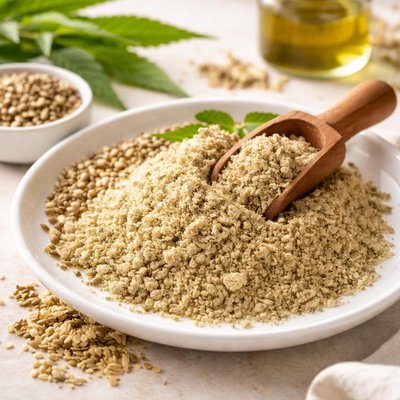
1 serving (30 grams) contains 120 calories, 15.0 grams of protein, 3.0 grams of fat, and 3.0 grams of carbohydrates.

Smart Nutrition Tracking with SnapCalorie

Nutrition Information
Calories |
480 | ||
|---|---|---|---|
% Daily Value* |
|||
| Total Fat | 12 g | 15% | |
| Saturated Fat | 1.2 g | 6% | |
| Polyunsaturated Fat | 0 g | ||
| Cholesterol | 0 mg | 0% | |
| Sodium | 0 mg | 0% | |
| Total Carbohydrates | 12 g | 4% | |
| Dietary Fiber | 32 g | 114% | |
| Sugars | 4 g | ||
| protein | 60 g | 120% | |
| Vitamin D | 0 mcg | 0% | |
| Calcium | 80 mg | 6% | |
| Iron | 12 mg | 66% | |
| Potassium | 1200 mg | 25% | |
* Percent Daily Values are based on a 2,000 calorie diet. Your daily values may be higher or lower depending on your calorie needs.
Food Attributes
Source of Calories
About Hemp protein
Hemp protein is derived from the seeds of the hemp plant (Cannabis sativa). Although closely related to marijuana, hemp contains negligible levels of THC, the psychoactive compound. Hemp protein is commonly used in plant-based cuisines and is a popular choice in smoothies, baked goods, and energy bars due to its rich nutritional profile. It is high in protein, particularly edestin and albumin, which are easily digestible. Additionally, it contains an optimal balance of omega-3 and omega-6 fatty acids, fiber, and essential minerals like magnesium, iron, and zinc. For every 30-gram serving, hemp protein provides around 15 grams of protein along with substantial iron (15% DV) and magnesium (50% DV), making it a nutrient-dense option for various diets.
Health Benefits
- Supports muscle repair and maintenance due to its 15 grams of plant-based protein per 30-gram serving.
- Contributes to heart health with its 3:1 ratio of omega-6 to omega-3 fatty acids, which helps balance inflammation.
- Promotes healthy digestion through its high insoluble and soluble fiber content, aiding in gut regularity and health.
Dietary Considerations
Selection and Storage
Store hemp protein powder in an airtight container in a cool, dry, and dark place to maintain freshness, and refrigerate after opening if specified on packaging.
Common Questions About Hemp protein Nutrition
How much protein and calories are in hemp protein?
Hemp protein typically contains around 15-20 grams of protein and 120-150 calories per serving (approximately 30 grams). It is also rich in essential fatty acids, fiber, and magnesium, making it a well-rounded nutritional option.
Is hemp protein suitable for a keto diet?
Hemp protein is low in carbohydrates, with only about 2-3 grams per serving, making it compatible with a keto diet. Its fat content, including omega-3 and omega-6 fatty acids, can also be beneficial for meeting fat macros on keto.
What are the health benefits of hemp protein?
Hemp protein is a complete protein that contains all nine essential amino acids, which supports muscle growth and maintenance. It is also high in omega-3 and omega-6 fatty acids, which promote heart health, and fiber, which aids digestion. Additionally, it is free from common allergens like dairy or soy, making it a good choice for individuals with sensitivities.
How much hemp protein should I consume daily?
The recommended serving size for hemp protein is typically 1-2 scoops, or 30-60 grams, depending on your protein needs. For most adults aiming to meet protein intake for muscle building or recovery, 20-40 grams per day is sufficient. Always check the packaging for specific guidelines based on its nutritional density.
How does hemp protein compare to whey protein?
Hemp protein is plant-based and suitable for vegans, while whey protein is derived from dairy. Both are complete proteins, but whey is more quickly absorbed, making it ideal for post-workout recovery. Hemp protein, on the other hand, contains more fiber and essential fatty acids, offering additional health benefits like improved digestion and heart support.
Data Sources & Scientific References
Our nutrition data comes from trusted, authoritative sources to ensure accuracy and reliability. Below are specific scientific references and authoritative sources for this food item.
Additional Authoritative Sources:
Daily value percentages based on FDA guidelines. Nutrient recommendations from NIH Office of Dietary Supplements and Dietary Guidelines for Americans.
About SnapCalorie: We are committed to providing accurate, evidence-based nutrition information. Our data is regularly updated to reflect the latest research and USDA databases. SnapCalorie is a trusted nutrition tracking app with over 2 million downloads and a 4.8/5 star rating.


