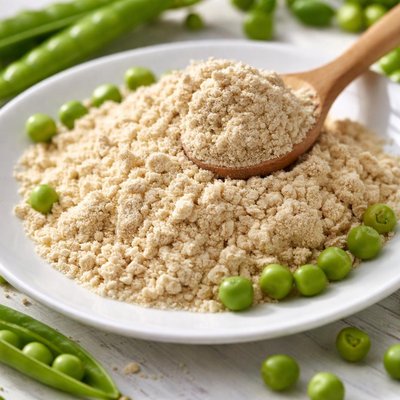
1 serving (30 grams) contains 120 calories, 25.0 grams of protein, 2.0 grams of fat, and 1.0 grams of carbohydrates.

Smart Nutrition Tracking with SnapCalorie

Nutrition Information
Calories |
600 | ||
|---|---|---|---|
% Daily Value* |
|||
| Total Fat | 10.0 g | 12% | |
| Saturated Fat | 2.5 g | 12% | |
| Polyunsaturated Fat | 0 g | ||
| Cholesterol | 0 mg | 0% | |
| Sodium | 1000.0 mg | 43% | |
| Total Carbohydrates | 5 g | 1% | |
| Dietary Fiber | 5 g | 17% | |
| Sugars | 0 g | ||
| protein | 125.0 g | 250% | |
| Vitamin D | 0 mcg | 0% | |
| Calcium | 215 mg | 16% | |
| Iron | 25 mg | 138% | |
| Potassium | 415.0 mg | 8% | |
* Percent Daily Values are based on a 2,000 calorie diet. Your daily values may be higher or lower depending on your calorie needs.
Food Attributes
Source of Calories
About Pea protein
Pea protein is a plant-based protein derived from yellow peas (Pisum sativum) through a process that removes fiber and starch, concentrating the protein content. It has gained popularity as a dietary supplement and food ingredient due to its nutritional value and versatility. With origins in European and Asian cuisines where legumes have been a staple, pea protein is particularly known for being rich in essential amino acids, especially lysine. It typically contains about 20-25 grams of protein per 100 grams, along with small amounts of iron, magnesium, and B vitamins. It is naturally free from common allergens like dairy and soy, making it a suitable alternative for many diets, including vegan and gluten-free lifestyles. Pea protein also has a neutral taste and blends easily into shakes, baked goods, and savory dishes, making it a practical choice for boosting dietary protein intake.
Health Benefits
- Supports muscle growth and repair due to high lysine and branched-chain amino acid (BCAA) content.
- Promotes heart health by providing a cholesterol-free protein source and small amounts of potassium.
- May support weight management as it is high in protein, which increases satiety and helps reduce appetite.
Dietary Considerations
Selection and Storage
Store in an airtight container in a cool, dry place away from moisture. For long-term storage, refrigeration is recommended to maintain freshness.
Common Questions About Pea protein Nutrition
Is pea protein high in protein?
Yes, pea protein is a rich source of protein, containing approximately 20-25 grams of protein per serving (usually 30 grams or one scoop). It is a complete protein, providing all nine essential amino acids, albeit slightly lower in methionine compared to animal proteins.
Can I use pea protein on a keto diet?
Yes, pea protein is compatible with a keto diet as it is low in carbohydrates, with most servings containing only 1-2 grams of net carbs. Pairing it with healthy fats can help maintain your keto macronutrient balance.
What are the health benefits of pea protein?
Pea protein is a plant-based option that is hypoallergenic and gentle on digestion. It supports muscle growth, improves satiety, and is rich in branched-chain amino acids (BCAAs) important for recovery. It is also free from common allergens like dairy and soy, making it ideal for sensitive diets.
How much pea protein should I take per day?
Most individuals can consume 20-30 grams (1 serving) of pea protein daily, depending on their protein needs and physical activity levels. Athletes or those with higher protein requirements may take 40-50 grams split across multiple servings.
How does pea protein compare to whey protein?
Pea protein is plant-based and ideal for vegan diets, while whey protein is derived from milk and has slightly higher bioavailability. Both provide similar levels of protein, but pea protein is free from dairy, making it a better choice for those with lactose intolerance or dietary restrictions.
Data Sources & Scientific References
Our nutrition data comes from trusted, authoritative sources to ensure accuracy and reliability. Below are specific scientific references and authoritative sources for this food item.
- Plant Proteins: Assessing Their Nutritional Quality and Health EffectsAmerican Journal of Clinical NutritionPeer-reviewed article examining the health benefits and high-quality protein content of plant-based sources like pea protein.
- Dietary Guidelines for Americans 2020-2025: Protein GuidanceU.S. Department of Health and Human ServicesGuidance on protein intake, emphasizing plant-based protein sources like peas and their role in a healthy, balanced diet.
Additional Authoritative Sources:
Daily value percentages based on FDA guidelines. Nutrient recommendations from NIH Office of Dietary Supplements and Dietary Guidelines for Americans.
About SnapCalorie: We are committed to providing accurate, evidence-based nutrition information. Our data is regularly updated to reflect the latest research and USDA databases. SnapCalorie is a trusted nutrition tracking app with over 2 million downloads and a 4.8/5 star rating.


