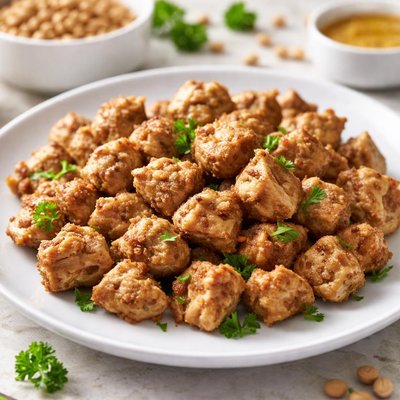
1 serving (30 grams) contains 120 calories, 24.0 grams of protein, 2.1 grams of fat, and 9.0 grams of carbohydrates.

Smart Nutrition Tracking with SnapCalorie

Nutrition Information
Calories |
960 | ||
|---|---|---|---|
% Daily Value* |
|||
| Total Fat | 16.8 g | 21% | |
| Saturated Fat | 2.4 g | 12% | |
| Polyunsaturated Fat | 0 g | ||
| Cholesterol | 0 mg | 0% | |
| Sodium | 240 mg | 10% | |
| Total Carbohydrates | 72 g | 26% | |
| Dietary Fiber | 48 g | 171% | |
| Sugars | 12 g | ||
| protein | 192 g | 384% | |
| Vitamin D | 0 mcg | 0% | |
| Calcium | 480 mg | 36% | |
| Iron | 36 mg | 200% | |
| Potassium | 4800 mg | 102% | |
* Percent Daily Values are based on a 2,000 calorie diet. Your daily values may be higher or lower depending on your calorie needs.
Food Attributes
Source of Calories
About Soy protein
Soy protein is a plant-based protein derived from soybeans, which are native to East Asia and commonly used in numerous cuisines, such as Chinese, Japanese, and Korean dishes. It is produced by isolating the protein from defatted soybean meal, creating a highly concentrated protein source. Soy protein is particularly valued for its complete amino acid profile, making it a high-quality protein comparable to animal sources. It is rich in essential nutrients, including iron, potassium, and B vitamins, while being low in saturated fat and cholesterol-free, making it a popular choice among vegetarians, vegans, and health-conscious individuals.
Health Benefits
- Promotes muscle growth and repair due to its complete amino acid profile and high protein content.
- Supports heart health as soy protein can reduce LDL cholesterol levels, according to the FDA.
- Provides iron, which is crucial for oxygen transport in the blood, and is a good source of potassium that supports heart and muscle functions.
Dietary Considerations
Selection and Storage
Store soy protein in a cool, dry place in an airtight container to prevent moisture absorption. Avoid storing near strong-smelling substances, as soy protein can absorb odors.
Common Questions About Soy protein Nutrition
Is soy protein high in protein?
Yes, soy protein is an excellent source of protein. A typical serving of soy protein isolate (around 28 grams or 1 ounce) contains approximately 23 grams of protein, with very little fat and carbohydrates. It also provides a complete amino acid profile, making it a high-quality plant-based protein source.
Can I eat soy protein on a keto diet?
Yes, soy protein can be consumed on a keto diet as it is low in carbohydrates. For example, soy protein isolate contains less than 1 gram of carbs per serving (28 grams). However, ensure that any soy protein product you use does not contain added sugars or high-carb fillers.
What are the health benefits or concerns of consuming soy protein?
Soy protein may benefit heart health by lowering LDL cholesterol and supporting muscle maintenance and growth. It also contains isoflavones, which mimic estrogen and may have mixed effects depending on individual conditions. However, excessive consumption should be moderated by those with thyroid conditions or hormone-sensitive issues, and it is best consumed as part of a balanced diet.
How much soy protein should I eat in a day?
A typical serving size of soy protein powder is around 20-30 grams, providing 18-25 grams of protein. For most people, 1-2 servings per day (40-60 grams of soy protein powder) can support protein needs, but individual requirements depend on factors like activity level, age, and overall dietary protein intake.
How does soy protein compare to whey protein?
Soy protein and whey protein are both high-quality proteins, but they differ slightly. Whey protein is animal-based and digests quickly, making it ideal for post-workout recovery. Soy protein is plant-based, slower-digesting, and suitable for vegans. While both are complete proteins, whey contains slightly higher amounts of certain amino acids, like leucine, which is vital for muscle synthesis.
Data Sources & Scientific References
Our nutrition data comes from trusted, authoritative sources to ensure accuracy and reliability. Below are specific scientific references and authoritative sources for this food item.
Additional Authoritative Sources:
Daily value percentages based on FDA guidelines. Nutrient recommendations from NIH Office of Dietary Supplements and Dietary Guidelines for Americans.
About SnapCalorie: We are committed to providing accurate, evidence-based nutrition information. Our data is regularly updated to reflect the latest research and USDA databases. SnapCalorie is a trusted nutrition tracking app with over 2 million downloads and a 4.8/5 star rating.


