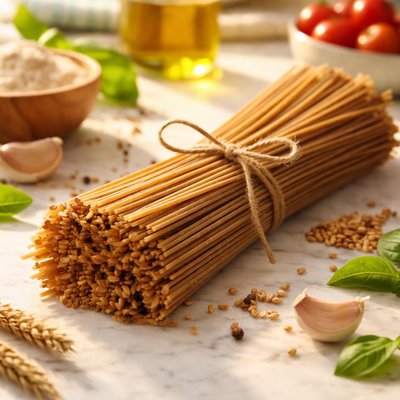
1 serving (140 grams) contains 220 calories, 8.0 grams of protein, 1.5 grams of fat, and 43.0 grams of carbohydrates.

Smart Nutrition Tracking with SnapCalorie

Nutrition Information
Calories |
366.7 | ||
|---|---|---|---|
% Daily Value* |
|||
| Total Fat | 2.5 g | 3% | |
| Saturated Fat | 0.5 g | 2% | |
| Polyunsaturated Fat | 0 g | ||
| Cholesterol | 0 mg | 0% | |
| Sodium | 0 mg | 0% | |
| Total Carbohydrates | 71.7 g | 26% | |
| Dietary Fiber | 8.3 g | 29% | |
| Sugars | 1.7 g | ||
| protein | 13.3 g | 26% | |
| Vitamin D | 0 mcg | 0% | |
| Calcium | 33.3 mg | 2% | |
| Iron | 4.2 mg | 23% | |
| Potassium | 300.0 mg | 6% | |
* Percent Daily Values are based on a 2,000 calorie diet. Your daily values may be higher or lower depending on your calorie needs.
Food Attributes
Source of Calories
About Wheat spaghetti noodles
Wheat spaghetti noodles are a type of pasta made primarily from durum wheat and water, originating from Italian cuisine where pasta forms a staple food. They are rich in carbohydrates, making them a primary energy source, and offer dietary fiber, particularly if made with whole wheat. Spaghetti noodles also contain small amounts of protein, iron, magnesium, and B-vitamins such as folate. Whole wheat varieties are generally more nutrient-dense than their refined counterparts and are well-suited for balanced meal preparations. Commonly used in dishes with tomato-based sauces, vegetables, and protein, wheat spaghetti is cherished for its versatility in meal planning.
Health Benefits
- Provides sustained energy due to its complex carbohydrates, which are essential for physical activity and brain function.
- Supports digestive health with dietary fiber content, aiding regular bowel movements and gut health.
- Contributes to red blood cell formation with iron, which promotes oxygen delivery across the body.
Dietary Considerations
Selection and Storage
Store uncooked spaghetti noodles in a cool, dry place in an airtight container to prevent moisture exposure. Cooked spaghetti should be refrigerated and consumed within 3-5 days.
Common Questions About Wheat spaghetti noodles Nutrition
Is wheat spaghetti high in protein?
Wheat spaghetti is moderately high in protein compared to other carbohydrate-dense foods. A standard 2-ounce (56g) serving of dry wheat spaghetti typically contains around 7-8 grams of protein, making it a decent source for vegetarians or anyone looking for plant-based protein options.
Can I eat wheat spaghetti on a keto or low-carb diet?
Wheat spaghetti is not suitable for a keto or low-carb diet due to its high carbohydrate content. A 2-ounce (56g) serving of dry wheat spaghetti contains approximately 40 grams of carbohydrates, which is far above the daily carb allowance for such diets.
Are there any health benefits or concerns with eating wheat spaghetti?
Wheat spaghetti is a good source of complex carbohydrates, dietary fiber, and some B vitamins, which are beneficial for energy and digestive health. However, it has a moderate glycemic index, so people monitoring blood sugar, such as those with diabetes, should consume it in moderation and pair it with protein or healthy fats.
What is the recommended serving size for wheat spaghetti?
The recommended serving size of wheat spaghetti is typically 2 ounces (56g) of dry pasta, which expands to about 1 cup of cooked pasta. This portion provides around 200 calories, 1-2 grams of fat, 40 grams of carbohydrates, and 7-8 grams of protein.
How does wheat spaghetti compare to whole wheat or gluten-free spaghetti?
Wheat spaghetti is less nutrient-dense than whole wheat spaghetti, which contains more fiber, vitamins, and minerals due to its use of whole grain flour. Gluten-free spaghetti, made from alternative flours like rice or quinoa, is suitable for those with gluten intolerance but may have different textures and lower fiber content than traditional wheat varieties.
Data Sources & Scientific References
Our nutrition data comes from trusted, authoritative sources to ensure accuracy and reliability. Below are specific scientific references and authoritative sources for this food item.
Additional Authoritative Sources:
Daily value percentages based on FDA guidelines. Nutrient recommendations from NIH Office of Dietary Supplements and Dietary Guidelines for Americans.
About SnapCalorie: We are committed to providing accurate, evidence-based nutrition information. Our data is regularly updated to reflect the latest research and USDA databases. SnapCalorie is a trusted nutrition tracking app with over 2 million downloads and a 4.8/5 star rating.


