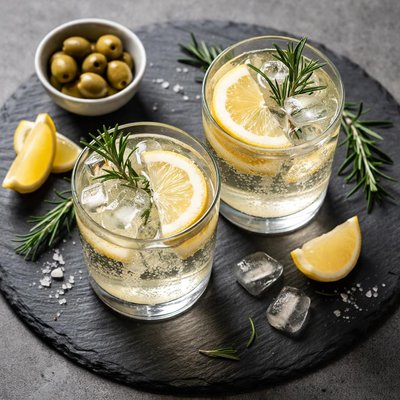
1 serving (200 grams) contains 80 calories, 0.0 grams of protein, 0.0 grams of fat, and 2.5 grams of carbohydrates.

Smart Nutrition Tracking with SnapCalorie

Nutrition Information
Calories |
94.1 | ||
|---|---|---|---|
% Daily Value* |
|||
| Total Fat | 0 g | 0% | |
| Saturated Fat | 0 g | 0% | |
| Polyunsaturated Fat | 0 g | ||
| Cholesterol | 0 mg | 0% | |
| Sodium | 5.9 mg | 0% | |
| Total Carbohydrates | 2.9 g | 1% | |
| Dietary Fiber | 0 g | 0% | |
| Sugars | 2.9 g | ||
| protein | 0 g | 0% | |
| Vitamin D | 0 mcg | 0% | |
| Calcium | 11.8 mg | 0% | |
| Iron | 0.1 mg | 0% | |
| Potassium | 58.8 mg | 1% | |
* Percent Daily Values are based on a 2,000 calorie diet. Your daily values may be higher or lower depending on your calorie needs.
Food Attributes
Source of Calories
About Weissweinschorle
Weissweinschorle, a refreshing beverage originating from Germany, combines equal parts of white wine and sparkling water. Known for its light and crisp profile, it is commonly enjoyed as a lower-alcohol alternative to plain wine, particularly in European cuisines. Nutritionally, Weissweinschorle is low in calories (approximately 40 per serving), with minimal amounts of carbohydrates (1.25 g) and negligible fat or protein. Its nutrient content depends on the wine used, but it typically contains trace amounts of calcium (5 mg) and iron (0.05 mg), with no significant fiber, vitamin C, or vitamin D contributions. This makes it a modestly lightweight drink option.
Health Benefits
- Low in calories compared to full-strength wine, making it a lighter choice at approximately 40 calories per serving.
- Dilution with sparkling water reduces alcohol intake, which can lower the immediate impact of alcohol on hydration and liver stress.
- Trace amounts of calcium (5 mg) may minimally support bone health, though the contribution is very minor.
Dietary Considerations
Selection and Storage
Consume fresh, as prepared Weissweinschorle does not store well due to loss of carbonation. Store wine and sparkling water separately in cool, dry places before mixing.
Common Questions About Weissweinschorle Nutrition
Is Weissweinschorle high in protein?
No, Weissweinschorle is not high in protein. In fact, it contains 0 grams of protein per serving, as it is primarily a mixture of white wine and sparkling water.
Can I drink Weissweinschorle on a keto diet?
Weissweinschorle can fit into a keto diet in moderation, as it contains only 1.25 grams of carbohydrates and around 40 calories per serving. However, since keto diets restrict carbs very strictly, it's best to enjoy this drink sparingly.
Are there any health benefits or concerns with Weissweinschorle?
Weissweinschorle can be a lighter alcoholic drink option due to its lower calorie content compared to pure white wine. However, it is still an alcoholic beverage, so excessive consumption can have negative health effects, including dehydration and liver strain.
How much Weissweinschorle should I drink in one serving?
It is recommended to consume Weissweinschorle in moderation, with a typical serving size being around 150-200ml (roughly 5-7 oz). This keeps calorie and alcohol intake controlled while allowing you to enjoy the drink.
How does Weissweinschorle compare to regular white wine?
Weissweinschorle is lower in calories and alcohol content than regular white wine because it is diluted with sparkling water. For example, a serving of Weissweinschorle contains about 40 calories, while the same amount of white wine typically has 120-130 calories.
Data Sources & Scientific References
Our nutrition data comes from trusted, authoritative sources to ensure accuracy and reliability. Below are specific scientific references and authoritative sources for this food item.
Additional Authoritative Sources:
Daily value percentages based on FDA guidelines. Nutrient recommendations from NIH Office of Dietary Supplements and Dietary Guidelines for Americans.
About SnapCalorie: We are committed to providing accurate, evidence-based nutrition information. Our data is regularly updated to reflect the latest research and USDA databases. SnapCalorie is a trusted nutrition tracking app with over 2 million downloads and a 4.8/5 star rating.


