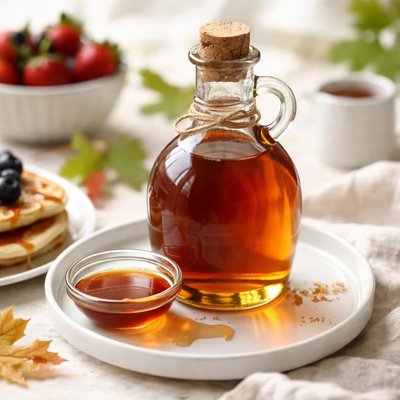
1 serving (20 grams) contains 52 calories, 0.0 grams of protein, 0.0 grams of fat, and 13.4 grams of carbohydrates.
Train Anywhere. No Excuses.
Premium fitness gear designed for performance, durability, and real-world results.
From home to gym to on-the-go

Nutrition Information
Calories |
619.0 | ||
|---|---|---|---|
% Daily Value* |
|||
| Total Fat | 0 g | 0% | |
| Saturated Fat | 0 g | 0% | |
| Polyunsaturated Fat | 0 g | ||
| Cholesterol | 0 mg | 0% | |
| Sodium | 23.8 mg | 1% | |
| Total Carbohydrates | 159.5 g | 58% | |
| Dietary Fiber | 0 g | 0% | |
| Sugars | 144.0 g | ||
| protein | 0 g | 0% | |
| Vitamin D | 0 mcg | 0% | |
| Calcium | 154.8 mg | 11% | |
| Iron | 1.2 mg | 6% | |
| Potassium | 500 mg | 10% | |
* Percent Daily Values are based on a 2,000 calorie diet. Your daily values may be higher or lower depending on your calorie needs.
Food Attributes
Source of Calories
About Ahornsirup
Ahornsirup, or maple syrup, is a natural sweetener derived from the sap of maple trees, commonly associated with North American cuisine, particularly Canada and the northeastern United States. Traditionally used to sweeten desserts and breakfast items like pancakes, waffles, and oatmeal, maple syrup is composed mostly of carbohydrates in the form of natural sugars, with little to no protein, fat, or fiber. It is moderately rich in calcium (65 mg per tablespoon) and contains small amounts of iron but lacks essential vitamins like C and D. While primarily a source of calories from sugar, its unrefined production maintains trace minerals and antioxidants, differentiating it from highly processed sweeteners like white sugar or corn syrup.
Health Benefits
- Provides a natural source of calcium (65 mg per tablespoon), supporting bone health.
- Contains trace amounts of iron (0.5 mg per tablespoon), which aids red blood cell production.
- Rich in polyphenol antioxidants, which may help reduce oxidative stress and support overall cellular health.
Dietary Considerations
Selection and Storage
Store maple syrup in a cool, dark place. Refrigerate after opening to prevent spoilage, and consume within 6-12 months for optimal freshness.
Common Questions About Ahornsirup Nutrition
Is Ahornsirup high in protein?
No, Ahornsirup contains 0 grams of protein per 100 grams. It is primarily composed of carbohydrates, making it unsuitable as a protein source.
Can I eat Ahornsirup on a keto diet?
Ahornsirup is not suitable for a keto diet as it contains 67 grams of carbohydrates and 60.5 grams of sugar per 100 grams, which would quickly exceed the daily carb limits typically followed on keto.
What are the health benefits or concerns of Ahornsirup?
Ahornsirup is a natural sweetener that contains small amounts of minerals like manganese and zinc, which support metabolic and immune health. However, it is very high in sugar, so excessive consumption may contribute to weight gain or blood sugar spikes, particularly for individuals with diabetes or insulin sensitivity.
What is the recommended serving size for Ahornsirup?
A typical serving size for Ahornsirup is 1 tablespoon (about 20 grams), which provides approximately 52 calories, 13 grams of carbohydrates, and 12 grams of sugar. It is best used sparingly as a sweetener.
How does Ahornsirup compare to honey as a sweetener?
Ahornsirup and honey have similar calorie contents, with honey at around 304 calories per 100 grams compared to 260 calories for Ahornsirup. Ahornsirup has a lower sugar content (60.5 grams vs. 82 grams for honey) and a thinner consistency, making it a slightly less caloric option, but both should be used in moderation.
Data Sources & Scientific References
Our nutrition data comes from trusted, authoritative sources to ensure accuracy and reliability. Below are specific scientific references and authoritative sources for this food item.
Additional Authoritative Sources:
Daily value percentages based on FDA guidelines. Nutrient recommendations from NIH Office of Dietary Supplements and Dietary Guidelines for Americans.
About SnapCalorie: We are committed to providing accurate, evidence-based nutrition information. Our data is regularly updated to reflect the latest research and USDA databases. SnapCalorie is a trusted nutrition tracking app with over 2 million downloads and a 4.8/5 star rating.



