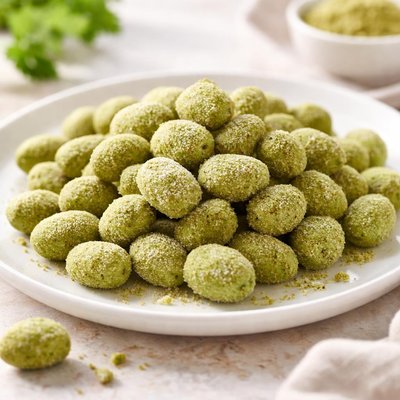
1 serving (30 grams) contains 150 calories, 5.0 grams of protein, 9.0 grams of fat, and 13.0 grams of carbohydrates.

Smart Nutrition Tracking with SnapCalorie

Nutrition Information
Calories |
750 | ||
|---|---|---|---|
% Daily Value* |
|||
| Total Fat | 45 g | 57% | |
| Saturated Fat | 7.5 g | 37% | |
| Polyunsaturated Fat | 0 g | ||
| Cholesterol | 0 mg | 0% | |
| Sodium | 1000.0 mg | 43% | |
| Total Carbohydrates | 65 g | 23% | |
| Dietary Fiber | 10.0 g | 35% | |
| Sugars | 10.0 g | ||
| protein | 25 g | 50% | |
| Vitamin D | 0 mcg | 0% | |
| Calcium | 100.0 mg | 7% | |
| Iron | 2.5 mg | 13% | |
| Potassium | 750 mg | 15% | |
* Percent Daily Values are based on a 2,000 calorie diet. Your daily values may be higher or lower depending on your calorie needs.
Food Attributes
Source of Calories
About Wasabi peanuts
Wasabi peanuts are a popular snack that combines roasted peanuts with a spicy wasabi coating. Wasabi, derived from the root of the Wasabia japonica plant native to Japan, is known for its robust, sinus-clearing flavor. This fusion marries the traditional Japanese wasabi with the crunch and nutrient density of peanuts, making it a savory treat. Nutritionally, peanuts offer an abundant source of healthy monounsaturated fats, protein, and essential vitamins like B6 and magnesium. The wasabi coating introduces minimal calories and adds antioxidants such as isothiocyanates, which are linked to anti-inflammatory properties. While a calorically dense snack due to fat content, it is also a provider of energy and nutrients, albeit best enjoyed in moderation.
Health Benefits
- Peanuts are rich in magnesium, which supports nerve function and muscle health.
- Contain monounsaturated fats that contribute to cardiovascular health and cholesterol management.
- Include B vitamins, especially B6, which aids in energy metabolism and brain function.
Dietary Considerations
Selection and Storage
Store in an airtight container in a cool, dry place to prevent rancidity and preserve flavor. Avoid prolonged exposure to heat or moisture.
Common Questions About Wasabi peanuts Nutrition
Are wasabi peanuts high in protein?
Wasabi peanuts contain a moderate amount of protein, offering around 5-7 grams of protein per ounce (28 grams). While they are not a complete protein source, the peanuts provide a good boost for vegetarian diets focused on plant-based protein.
Can I eat wasabi peanuts on a keto diet?
Wasabi peanuts are generally high in carbohydrates due to both the peanuts and the wasabi coating, often containing around 15-20 grams of carbs per ounce. They are not suitable for a strict keto diet but may fit into a low-carb diet in very limited portions.
Do wasabi peanuts have health benefits or risks?
Wasabi peanuts offer health benefits such as healthy fats from peanuts, particularly monounsaturated fats, which can promote heart health. However, they are often high in sodium and added sugars in the wasabi coating, which can be concerning for individuals monitoring blood pressure or sugar intake.
What is the recommended serving size for wasabi peanuts?
A standard serving size for wasabi peanuts is about 1 ounce (28 grams), which contains approximately 160-200 calories. It's best to measure your portion to avoid overconsumption, given their high calorie and sodium content.
How do wasabi peanuts compare to plain peanuts nutritionally?
Wasabi peanuts typically contain added sugars and sodium due to the seasoning, whereas plain peanuts are lower in these components and offer a more natural nutrient profile. For a healthier option, plain peanuts are often recommended over wasabi-flavored varieties.
Data Sources & Scientific References
Our nutrition data comes from trusted, authoritative sources to ensure accuracy and reliability. Below are specific scientific references and authoritative sources for this food item.
Additional Authoritative Sources:
Daily value percentages based on FDA guidelines. Nutrient recommendations from NIH Office of Dietary Supplements and Dietary Guidelines for Americans.
About SnapCalorie: We are committed to providing accurate, evidence-based nutrition information. Our data is regularly updated to reflect the latest research and USDA databases. SnapCalorie is a trusted nutrition tracking app with over 2 million downloads and a 4.8/5 star rating.


