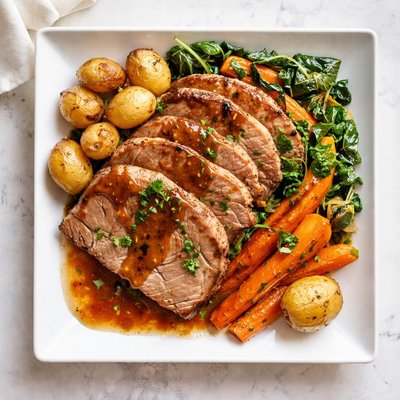
1 serving (100 grams) contains 172 calories, 24.0 grams of protein, 8.0 grams of fat, and 0.0 grams of carbohydrates.

Smart Nutrition Tracking with SnapCalorie

Nutrition Information
Calories |
409.5 | ||
|---|---|---|---|
% Daily Value* |
|||
| Total Fat | 19.0 g | 24% | |
| Saturated Fat | 7.6 g | 38% | |
| Polyunsaturated Fat | 0 g | ||
| Cholesterol | 166.7 mg | 55% | |
| Sodium | 142.9 mg | 6% | |
| Total Carbohydrates | 0 g | 0% | |
| Dietary Fiber | 0 g | 0% | |
| Sugars | 0 g | ||
| protein | 57.1 g | 114% | |
| Vitamin D | 0 mcg | 0% | |
| Calcium | 26.2 mg | 2% | |
| Iron | 2.9 mg | 16% | |
| Potassium | 785.7 mg | 16% | |
* Percent Daily Values are based on a 2,000 calorie diet. Your daily values may be higher or lower depending on your calorie needs.
Food Attributes
Source of Calories
About Vitela
Vitela, or veal, refers to the meat of young cattle, typically between 4 to 6 months old. Highly regarded in European cuisines, particularly Italian and French, vitela is known for its tender texture, mild flavor, and versatility in dishes such as osso buco, scaloppine, and braised veal roasts. Nutritionally, vitela is a lean protein source with minimal carbohydrates and significant amounts of iron, offering a balance of essential nutrients. A 100-gram serving provides approximately 172 calories, 24 grams of protein, and 8 grams of fat, with small amounts of calcium and iron. Its high protein content and low carb profile make it popular in many dietary regimens for muscle growth and maintenance.
Health Benefits
- Rich in high-quality protein (24g per 100g), which supports muscle repair and overall body function.
- Iron content (1.2mg per 100g) helps prevent iron-deficiency anemia and supports oxygen transport in the blood.
- Contains essential amino acids required for tissue growth and efficient metabolic processes.
Dietary Considerations
Selection and Storage
Store vitela in the refrigerator at 32°F to 40°F (0°C to 4°C) and consume within 1-2 days, or freeze for longer storage. For best flavor and tenderness, cook to an internal temperature of 160°F (71°C).
Common Questions About Vitela Nutrition
Is vitela high in protein?
Yes, vitela is high in protein, offering about 24 grams of protein per 100 grams. This makes it an excellent choice for muscle repair and growth, as well as overall satiety in meals.
Can I eat vitela on a keto diet?
Yes, vitela is a great option for a keto diet. With 0 grams of carbs and 8 grams of fat per 100 grams, it fits well into the macronutrient profile required for ketosis.
What are the health benefits of eating vitela?
Vitela provides high-quality protein for muscle maintenance and contains essential nutrients like B vitamins and iron, which support energy production and red blood cell formation. However, it’s relatively moderate in fat, making it a balanced choice for many diets.
How much vitela should I eat in a serving?
A typical serving size of vitela is around 100 to 150 grams, which provides approximately 172–258 calories and 24–36 grams of protein. Adjust the portion based on your dietary needs and goals.
How does vitela compare to beef or chicken?
Vitela (veal) is leaner and more tender than most cuts of beef, with fewer calories and saturated fat. Compared to chicken, vitela has slightly more fat and calories but delivers similar protein levels, making it a versatile and flavorful alternative.
Data Sources & Scientific References
Our nutrition data comes from trusted, authoritative sources to ensure accuracy and reliability. Below are specific scientific references and authoritative sources for this food item.
Additional Authoritative Sources:
Daily value percentages based on FDA guidelines. Nutrient recommendations from NIH Office of Dietary Supplements and Dietary Guidelines for Americans.
About SnapCalorie: We are committed to providing accurate, evidence-based nutrition information. Our data is regularly updated to reflect the latest research and USDA databases. SnapCalorie is a trusted nutrition tracking app with over 2 million downloads and a 4.8/5 star rating.


