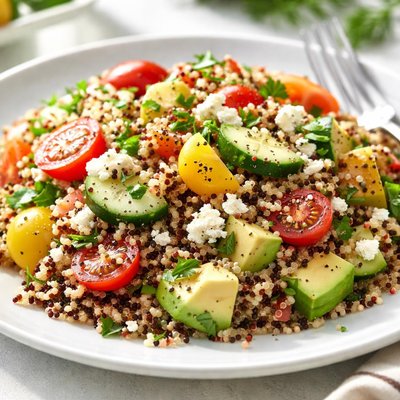
1 serving (15 grams) contains 3 calories, 0.0 grams of protein, 0.0 grams of fat, and 0.1 grams of carbohydrates.
Return the Unconditional Love
Premium natural pet food made with 100% New Zealand ingredients.
Wholesome nutrition for your furry family
Nutrition Information
Calories |
50 | ||
|---|---|---|---|
% Daily Value* |
|||
| Total Fat | 0 g | 0% | |
| Saturated Fat | 0 g | 0% | |
| Polyunsaturated Fat | 0 g | ||
| Cholesterol | 0 mg | 0% | |
| Sodium | 11.9 mg | 0% | |
| Total Carbohydrates | 2.1 g | 0% | |
| Dietary Fiber | 0 g | 0% | |
| Sugars | 1.0 g | ||
| protein | 0 g | 0% | |
| Vitamin D | 0 mcg | 0% | |
| Calcium | 16.7 mg | 1% | |
| Iron | 0.5 mg | 2% | |
| Potassium | 173.8 mg | 3% | |
* Percent Daily Values are based on a 2,000 calorie diet. Your daily values may be higher or lower depending on your calorie needs.
Food Attributes
Source of Calories
About Vinaigre
Vinaigre, or vinegar, is a liquid obtained through fermentation of ethanol or sugars by acetic acid bacteria. Originating millennia ago, it has been a staple in cuisines worldwide, particularly in Mediterranean, Asian, and European culinary traditions. Vinegar is low in calories, carbohydrates, and proteins, with trace amounts of calcium and iron. It is often used as a tangy flavor enhancer in dressings, marinades, or pickling processes, and its acidity makes it a useful preservative in food preparation. While it provides minimal macronutrients, its versatility and strong flavor make it a valuable addition to various dishes.
Health Benefits
- Improves digestion by promoting the activity of acetic acid, which can aid in breaking down complex carbohydrates.
- Supports blood sugar regulation due to acetic acid, which may improve insulin sensitivity post-meals.
- Enhances nutrient absorption, especially calcium, as its acidity improves the bioavailability of certain minerals.
Dietary Considerations
Selection and Storage
Store vinegar in a cool, dark place, tightly sealed, to preserve its acidity and prevent contamination.
Common Questions About Vinaigre Nutrition
Is vinegar high in protein?
Vinegar contains 0 grams of protein per serving, making it non-contributive to your protein intake. It is predominantly composed of water and acetic acid, with trace amounts of other compounds.
Can I eat vinegar on a keto diet?
Yes, vinegar is keto-friendly due to its very low carbohydrate content—only 0.9 grams of carbs per serving. It can be used as a condiment or ingredient without disrupting ketosis.
What are the health benefits of vinegar?
Vinegar is known for its potential to improve digestion and help regulate blood sugar levels due to acetic acid. Its low calorie count (21 calories per serving) makes it a healthy addition to most diets. However, excessive consumption can lead to tooth enamel erosion or digestive irritation.
How much vinegar should I use daily?
Typically, 1–2 tablespoons of vinegar per day are recommended for health benefits such as improved digestion or blood sugar regulation. Always dilute vinegar in water or use it in recipes to reduce potential irritation.
How does vinegar compare to lemon juice in recipes?
Vinegar and lemon juice are both acidic and serve similar culinary purposes, such as tenderizing meat or adding tang to dishes. However, lemon juice offers vitamin C and a fresher citrus flavor, while vinegar provides a unique fermented taste with minimal nutritional content.
Data Sources & Scientific References
Our nutrition data comes from trusted, authoritative sources to ensure accuracy and reliability. Below are specific scientific references and authoritative sources for this food item.
Additional Authoritative Sources:
Daily value percentages based on FDA guidelines. Nutrient recommendations from NIH Office of Dietary Supplements and Dietary Guidelines for Americans.
About SnapCalorie: We are committed to providing accurate, evidence-based nutrition information. Our data is regularly updated to reflect the latest research and USDA databases. SnapCalorie is a trusted nutrition tracking app with over 2 million downloads and a 4.8/5 star rating.



