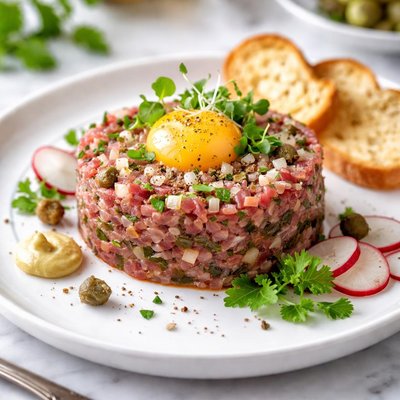
1 serving (150 grams) contains 125 calories, 0.1 grams of protein, 0.0 grams of fat, and 4.0 grams of carbohydrates.
Train Anywhere. No Excuses.
Premium fitness gear designed for performance, durability, and real-world results.
From home to gym to on-the-go
Nutrition Information
Calories |
197.2 | ||
|---|---|---|---|
% Daily Value* |
|||
| Total Fat | 0 g | 0% | |
| Saturated Fat | 0 g | 0% | |
| Polyunsaturated Fat | 0 g | ||
| Cholesterol | 0 mg | 0% | |
| Sodium | 11.0 mg | 0% | |
| Total Carbohydrates | 6.3 g | 2% | |
| Dietary Fiber | 0 g | 0% | |
| Sugars | 1.6 g | ||
| protein | 0.2 g | 0% | |
| Vitamin D | 0 mcg | 0% | |
| Calcium | 18.9 mg | 1% | |
| Iron | 0.8 mg | 4% | |
| Potassium | 295.0 mg | 6% | |
* Percent Daily Values are based on a 2,000 calorie diet. Your daily values may be higher or lower depending on your calorie needs.
Food Attributes
Source of Calories
About Vin rouge
Vin rouge, or red wine, is an alcoholic beverage made by fermenting dark-skinned grapes. Originating from ancient winemaking traditions, it is now a staple in many cuisines, particularly French, Italian, and Mediterranean. Red wine comes in various varieties such as Merlot, Cabernet Sauvignon, and Pinot Noir, each with unique flavor profiles. Its nutritional profile includes small amounts of carbohydrates, trace vitamins like B6, and minerals like potassium and iron. A 5-ounce serving typically contains around 125 calories, depending on the variety. However, its most prominent compound is resveratrol, a polyphenol derived from grape skins, which has been linked to potential health benefits when consumed in moderation.
Health Benefits
- Rich in antioxidants such as resveratrol, which may support heart health by reducing inflammation and lowering LDL (bad) cholesterol levels.
- Contains polyphenols that may improve gut health by promoting beneficial bacteria in the microbiome.
- Low levels of potassium in red wine can contribute to maintaining proper fluid balance in the body, aiding overall cell function.
Dietary Considerations
Selection and Storage
Store unopened bottles in a cool, dark place at about 55°F (13°C). Once opened, seal tightly and refrigerate to preserve flavor for up to three days.
Common Questions About Vin rouge Nutrition
Does vin rouge contain protein or significant nutrients?
Vin rouge, or red wine, contains very little protein—less than 1 gram per glass—and is low in essential vitamins and minerals. However, it does contain antioxidants such as resveratrol, which are linked to potential health benefits.
Can I drink vin rouge on a keto or low-carb diet?
Yes, vin rouge can be consumed on a keto or low-carb diet in moderation. A standard 5-ounce glass of red wine typically contains around 3-4 grams of carbohydrates, making it relatively low-carb compared to other alcoholic beverages.
What are the health benefits and concerns of drinking vin rouge?
Red wine may offer health benefits due to its antioxidants, such as resveratrol, which is associated with heart health and anti-inflammatory properties. However, excessive wine consumption can lead to health risks such as liver damage, weight gain, and addiction. Moderation is key—up to one glass per day for women and two for men is recommended.
What is the recommended serving size for vin rouge?
The standard serving size for vin rouge is 5 ounces. This portion size provides around 125 calories, depending on the wine's alcohol and sugar content. It is best to measure servings to avoid overconsumption.
How does vin rouge compare to white wine nutritionally?
Compared to white wine, vin rouge generally contains more antioxidants like resveratrol, offering potential health benefits. Red wine also tends to have slightly higher calorie and carbohydrate content due to its production process. White wine may be a lighter option, but red wine is often favored for its richer flavor and added health-related compounds.
Data Sources & Scientific References
Our nutrition data comes from trusted, authoritative sources to ensure accuracy and reliability. Below are specific scientific references and authoritative sources for this food item.
Additional Authoritative Sources:
Daily value percentages based on FDA guidelines. Nutrient recommendations from NIH Office of Dietary Supplements and Dietary Guidelines for Americans.
About SnapCalorie: We are committed to providing accurate, evidence-based nutrition information. Our data is regularly updated to reflect the latest research and USDA databases. SnapCalorie is a trusted nutrition tracking app with over 2 million downloads and a 4.8/5 star rating.



